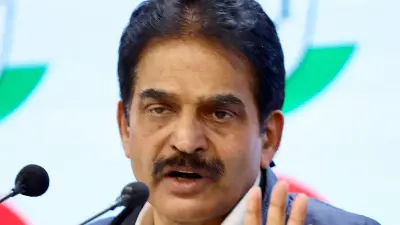
Arvind Kejriwal has made it clear that his party's fight against E20 fuel is far from over. The Aam Aadmi Party national convener, addressing a press conference on Tuesday after leading a march towards the Prime Minister's residence, vowed to continue the campaign and called on citizens to join in large numbers if they want to stop the policy's implementation.
What exactly is Kejriwal promising on the E20 fuel issue?
Kejriwal said the campaign against E20 fuel would not stop, even as he acknowledged that only around 100 people had joined Tuesday's march. He praised those who participated, saying they showed courage despite facing criticism and trolling on social media.
The AAP chief also signalled a broader political strategy — the party would resist any move to implement the E20 policy in states where it has legislators.
Why is the E20 fuel policy facing political resistance?
E20 fuel refers to petrol blended with 20% ethanol, a part of the central government's push to reduce oil imports and cut vehicular emissions. But critics, including AAP, have raised concerns about its impact on food security, water usage, and vehicle compatibility.
For farmers and consumers, the debate touches on how ethanol production affects crop prices and whether older vehicles can run efficiently on higher ethanol blends without modification.
What happened at the march towards the PM's residence?
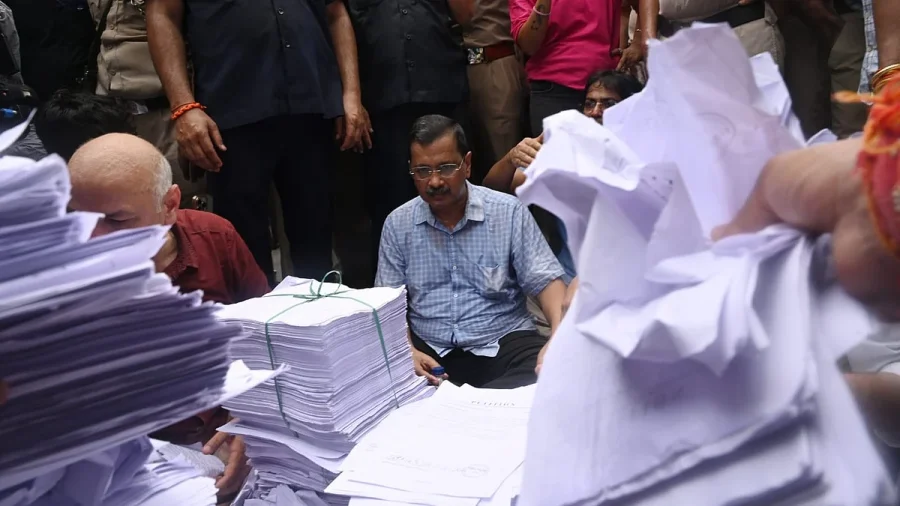
Kejriwal led a march carrying petitions opposing E20 fuel. Delhi Police personnel were present at the scene, though details of any restrictions or detentions were not confirmed in the original report.
The march appears to be part of a coordinated political push by AAP to position itself as a defender of public interest on fuel policy.
Who is affected by the E20 fuel policy debate?
Millions of vehicle owners across India could be affected if E20 becomes the standard fuel blend. Two-wheeler riders, commercial transporters, and everyday commuters may face questions about fuel efficiency, engine performance, and repair costs.
Farmers growing sugarcane and other ethanol feedstocks could see shifts in demand, while consumers may eventually face pricing questions at the pump.
What has the official response been so far?
Kejriwal said AAP has MLAs in Goa and Gujarat and that the party would not allow E20 to be passed in those assemblies either. "Our legislators will oppose it in the assemblies," he said.
The central government has not yet issued a detailed public response to Kejriwal's specific allegations, based on the available report.
What does this mean for the broader fuel policy debate?
The E20 issue is not just about ethanol blending — it touches on federal-state relations, environmental policy, and the politics of fuel pricing. Kejriwal's move positions AAP as a challenger to central government decisions, even on technical policy matters.
Political analysts may see this as an attempt to build a national narrative ahead of elections, using a consumer-facing issue that resonates beyond Delhi.
Confirmed facts versus what remains unclear
Confirmed: Kejriwal led a march to the PM's residence with petitions against E20 fuel. He said the campaign will continue. He confirmed AAP will oppose E20 in Goa and Gujarat assemblies.
Unclear: The exact number of participants beyond the reported "around 100" figure. Whether Delhi Police imposed any restrictions. The timeline for any future protests or assembly moves.
Why AAP's political positioning matters here
AAP has built its brand on anti-corruption and governance issues. Taking up the E20 fuel cause allows the party to expand its appeal beyond Delhi and Punjab into states like Goa and Gujarat, where it has a legislative presence.
The party's ability to mobilise public support on this issue could test whether its national ambitions can translate into street-level political momentum.
What are the risks and counterarguments to this protest?
Supporters of E20 fuel argue that ethanol blending reduces India's dependence on imported crude oil and supports farmers. They also point to environmental benefits from lower carbon emissions.
Critics of the protest may question whether AAP is politicising a technical policy issue. The small turnout at Tuesday's march could also raise questions about public enthusiasm for the campaign.
How does this fit into India's larger fuel transition story?
India has been pushing ethanol blending as part of its energy security strategy. The government has already achieved significant blending targets and has set ambitious goals for the coming years.
Kejriwal's opposition introduces a political dimension to what has largely been a policy-driven transition, potentially slowing implementation in states where AAP holds influence.
What should citizens and vehicle owners do now?
Vehicle owners should check whether their vehicles are E20-compliant, as many newer models are designed to handle higher ethanol blends. Those with older vehicles may want to follow the debate closely.
Citizens interested in the issue can attend public consultations, follow official announcements, and verify claims from both the government and opposition before forming opinions.
What happens next in this E20 fuel standoff?
Kejriwal has promised to continue the campaign and seek mass public support. The next steps could include larger protests, assembly-level opposition in Goa and Gujarat, and continued pressure on the central government.
How the government responds — whether through clarification, policy adjustment, or political counter-mobilisation — will determine whether this becomes a prolonged political battle or a short-lived protest.
Our Take
The E20 fuel debate is a reminder that energy policy is never purely technical — it is deeply political. Kejriwal's decision to anchor a protest around fuel blending shows how opposition parties are searching for issues that resonate with everyday consumers.
Whether the campaign gains mass traction or remains a niche political statement will depend on how well AAP can connect the dots between ethanol policy, food prices, vehicle costs, and public interest. For now, the fight is on — and the public is being asked to pick a side.
Frequently Asked Questions
What is E20 fuel?
E20 fuel is petrol blended with 20% ethanol. It is part of India's plan to reduce crude oil imports and lower vehicular emissions by increasing the use of ethanol derived from crops like sugarcane.
Why is Arvind Kejriwal protesting against E20 fuel?
Kejriwal and AAP have raised concerns about the impact of E20 fuel on food security, water usage, vehicle compatibility, and consumer costs. He has vowed to continue the protest and oppose the policy in states where AAP has MLAs.
Which states will AAP target for E20 opposition?
Kejriwal specifically mentioned Goa and Gujarat, where AAP has legislators. He said the party will oppose E20 implementation in these state assemblies.
Is E20 fuel safe for all vehicles?
Not all vehicles are E20-compliant. Many newer vehicles are designed to handle higher ethanol blends, but older models may face performance issues. Vehicle owners should check their manufacturer's guidelines.