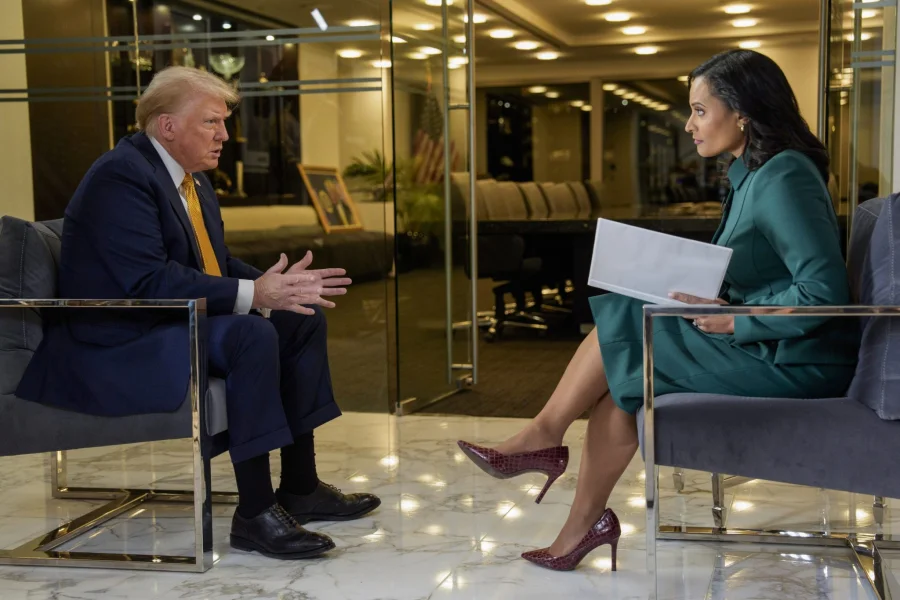
The White House's relationship with the press has hit a new flashpoint. President Donald Trump has publicly urged the Federal Communications Commission to investigate the polling methods used by news organizations and to take punitive action against a prominent NBC moderator. The request, made Sunday, marks another escalation in a presidency defined by open conflict with mainstream media.
Why the FCC request carries weight
The FCC is not a typical venue for political disputes. It regulates broadcast licensing, meaning it holds significant authority over how television and radio stations operate. By directing his complaint there, Trump is signaling a willingness to use regulatory power against outlets he views as hostile. Legal experts note that any FCC action targeting editorial content would likely face serious First Amendment challenges.
The polling problem behind the push
Recent surveys have not been kind to the administration. Multiple polls now place Trump's approval rating at the lowest point of either of his terms in office. The numbers reflect a difficult stretch marked by an unpopular Iran conflict and sustained high gas prices. For a president who has long dismissed unfavorable polling as biased, the FCC complaint appears designed to discredit the data itself rather than address the underlying issues.
How the media relationship deteriorated
This is not a new battle. Trump has maintained an adversarial stance toward journalists since his first campaign, frequently labeling unfavorable coverage as fake news. What has changed is the target. By naming a specific NBC moderator and demanding punishment, the president is moving from general criticism to personalized regulatory pressure. The escalation mirrors a pattern seen in other democracies where leaders attempt to constrain press freedom through state institutions.
What this means for journalists and viewers
For working journalists, the implications are immediate. If the FCC were to act on complaints about editorial decisions, it could create a chilling effect across the industry. Newsrooms might hesitate before publishing critical polling or commentary. For viewers, the stakes are about trust. The public relies on independent media to hold power accountable, and any perception of government interference could reshape how news is produced and consumed.
Official response and legal reality
As of now, no official FCC statement has been confirmed. The commission typically operates independently of the White House, and its commissioners are appointed to fixed terms. Legal scholars point out that the First Amendment explicitly protects freedom of the press and freedom of speech, which would likely shield news organizations from government punishment over content. Any formal FCC proceeding would almost certainly face a court challenge.
Reading between the lines of the escalation
Analysts see this move as part of a broader strategy. By framing media criticism as a regulatory issue, the administration shifts the debate from policy substance to press conduct. It also energizes a political base that views mainstream media as an enemy. The timing, coinciding with low approval ratings, suggests the attack may be aimed at undermining the credibility of negative coverage rather than addressing the reasons behind it.
Confirmed facts versus open questions
What is confirmed: Trump made the public request to the FCC, and recent polls show declining approval. What remains unclear: whether the FCC will take any action, what specific punishment the president is seeking against the NBC moderator, and how broadcasters will respond. The full text of Trump's statement has not been independently verified beyond the original report.
The wider pattern of press pressure
This episode fits a global trend. Governments in several countries have moved to regulate or penalize media outlets that publish unfavorable coverage. While the US has strong constitutional protections, the repeated use of regulatory threats by political leaders tests those safeguards. The outcome of this particular complaint could set a precedent for how future disputes between the White House and the press are handled.
What readers should watch for now
For those following this story, the key developments to track are: any formal FCC statement, the response from NBC and its moderator, and whether legal challenges emerge. Readers should also monitor how other news organizations cover this request, as their framing will reveal the industry's own assessment of the threat. Independent verification of the president's exact words and the FCC's internal deliberations will be crucial in the coming days.
Future outlook
The immediate future likely holds more rhetoric rather than regulatory action. FCC proceedings are slow, and the legal hurdles are substantial. However, the political signal is clear. The administration is willing to use every available lever against media outlets it opposes. Whether this pressure translates into actual policy changes or remains a symbolic gesture will depend on the commission's independence and the courts' willingness to uphold constitutional protections.
Our Take
This story matters beyond the immediate political drama. It tests a fundamental pillar of American democracy: the independence of the press from government control. While the FCC is unlikely to act on this specific request, the repeated use of regulatory threats normalizes the idea that media content should answer to political authority. That normalization, more than any single action, poses the real long-term risk to press freedom.
Frequently Asked Questions
Can the FCC actually punish a news network for its content?
The FCC regulates broadcast licensing but is generally barred from censoring content due to the First Amendment. Punishing a network for editorial decisions would likely be ruled unconstitutional. The commission can act on technical violations or indecency rules, but political content is protected speech.
Why is Trump targeting media polling specifically?
Recent polls show his approval rating at the lowest point of his presidency. By challenging the credibility of polling, Trump aims to discredit unfavorable data. The FCC complaint frames polling as a regulatory issue rather than a political one, shifting the debate away from policy problems.
What is the First Amendment's role in this dispute?
The First Amendment explicitly protects freedom of the press and freedom of speech. It prevents the government from punishing media outlets for what they publish. Any FCC action against a network for its reporting or polling would face immediate legal challenge on these grounds.
What happens next in this situation?
The FCC must decide whether to respond to the president's request. If it opens an investigation, legal challenges are likely. NBC and the named moderator may issue public statements. The broader media industry will watch closely to assess the threat level to press independence.