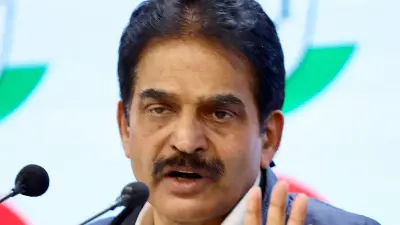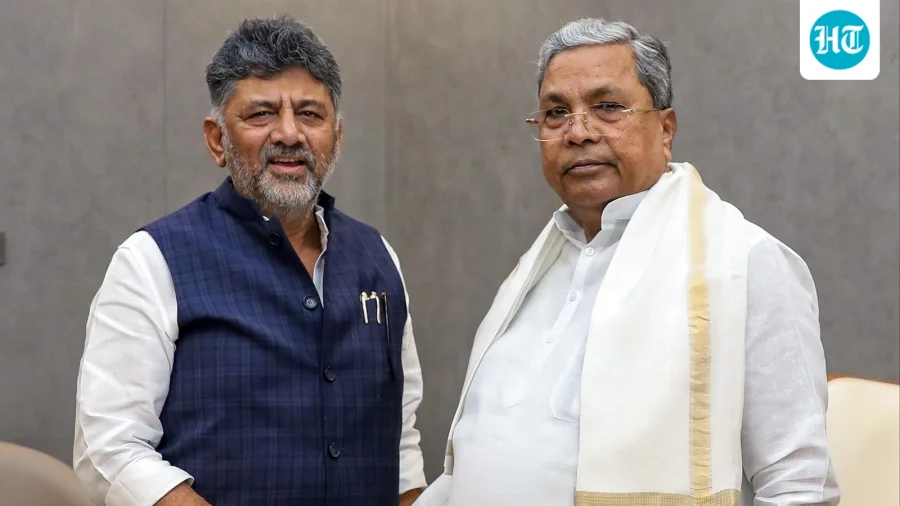
Karnataka Chief Minister D.K. Shivakumar has a pointed message for Congress legislators unhappy with the recent cabinet reshuffle: he has been there too. A day after several MLAs reportedly offered to resign over missing ministerial posts, Shivakumar recalled his own experience of being denied a cabinet berth during Siddaramaiah's earlier tenure — and said he chose to stay.
Shivakumar's Personal Recollection of Cabinet Snub
"I could have resigned too," Shivakumar said, referring to the period when he was overlooked for a ministerial position while Siddaramaiah was chief minister. The remark, delivered in a conversational tone, appears designed to defuse tensions within the ruling party.
His message was clear: disappointment over portfolios is not new to the Congress, and resignation is not the solution.
Why the MLAs' Resignation Offers Matter
The backdrop to Shivakumar's statement is significant. Several Congress MLAs, who had been waiting for ministerial positions, were left out of the long-awaited cabinet expansion. Reports suggest some of them offered to resign in frustration.
For a government already navigating coalition complexities and opposition pressure, internal dissent over cabinet berths adds an unwelcome layer of instability.
How the Situation Developed
The cabinet reshuffle had been pending for months, with multiple rounds of speculation about who would get what. When the final list was announced, a section of MLAs found themselves outside the ministry — triggering the resignation offers that prompted Shivakumar's response.
His reference to his own past experience is an attempt to frame the issue as a routine part of political life rather than a crisis.
What This Means for Party Workers and MLAs
For ordinary Congress workers, Shivakumar's words carry a dual message: loyalty is valued, but patience is expected. For the MLAs who offered to resign, the chief minister's statement is both a gentle rebuke and an assurance that their time may come.
The episode also highlights the delicate balancing act within Karnataka's Congress leadership, where Siddaramaiah and Shivakumar represent different factions and constituencies.
Official Response and Party Messaging
Shivakumar's remarks are being read as the party's official line — an attempt to close the chapter without appearing dismissive of MLAs' concerns. By citing his own experience, he is signalling that no leader is above disappointment, but the party's interests come first.
There has been no formal statement from the MLAs who reportedly offered to resign, and it remains unclear whether their offers were accepted or even formally submitted.
Reading Between the Lines: Leadership Dynamics
The timing of Shivakumar's comment is notable. It reinforces his position as a leader who has endured setbacks and remained loyal — a subtle assertion of his own political credentials. It also serves as a reminder to MLAs that cabinet berths are not guaranteed, even for those who consider themselves deserving.
Analysts see this as an attempt to consolidate authority while managing expectations within the party rank and file.
Confirmed Facts vs What Remains Unclear
Confirmed: Shivakumar made the statement about being denied a cabinet berth during Siddaramaiah's tenure. Reports indicate MLAs offered to resign after the reshuffle.
Unclear: The exact number of MLAs involved, whether their resignations were formally submitted, and how the party leadership plans to address their grievances. These details have not been officially confirmed.
Risks and the Need for Internal Balance
The risk for the Congress in Karnataka is that unresolved resentment over cabinet allocations could simmer into larger factional disputes. While Shivakumar's personal anecdote may soothe some egos, it does not address the underlying demand for representation.
Critics might argue that comparing his past situation to the current MLAs' frustration overlooks the specific promises and expectations tied to the recent reshuffle.
A Familiar Pattern in Indian Politics
Cabinet berth disappointments leading to resignation threats are not unique to Karnataka or the Congress. Similar scenes have played out in other states and parties, where ministerial positions are often the primary currency of political loyalty.
Shivakumar's response reflects a broader political reality: in India's parliamentary system, the cabinet is not just a governing body but a reward mechanism — and managing that expectation is a core leadership challenge.
What Should MLAs and Observers Watch For
For the MLAs who feel overlooked, the immediate advice from political strategists would be to maintain discipline and wait for future opportunities. For observers, the key is to watch whether any MLA escalates the matter publicly or whether the leadership offers any compensatory roles.
Shivakumar's statement suggests the party hopes to move on quickly, but the quiet discontent may not fully dissipate.
Future Outlook: Will the Discontent Fade?
The coming weeks will reveal whether Shivakumar's personal appeal has calmed the situation. If MLAs remain dissatisfied, the Congress could face public displays of dissent, which the opposition BJP would likely capitalise on.
For now, the chief minister has drawn a line: resignation is not the answer, and loyalty will eventually be rewarded.
Our Take
Shivakumar's decision to invoke his own past disappointment is a smart political move. It humanises him, deflects criticism, and frames the current MLAs' frustration as a passing phase rather than a crisis. But the underlying issue — the perennial scramble for ministerial posts — remains a structural weakness in how Indian political parties manage ambition. The real test will be whether the Congress can convert this moment into a lesson in patience or whether it becomes another chapter in internal factionalism.
Frequently Asked Questions
What did Karnataka CM Shivakumar say about cabinet berth denial?
Shivakumar said he could have resigned too when he was denied a cabinet berth during Siddaramaiah's earlier tenure, but he chose to stay. He made the remark in response to Congress MLAs reportedly offering to resign after being excluded from the recent cabinet reshuffle.
Why did some Karnataka Congress MLAs offer to resign?
Reports indicate that several MLAs offered to resign after they were not given ministerial posts in the long-awaited cabinet reshuffle. The exact number of MLAs and the status of their offers have not been officially confirmed.
How did Shivakumar's statement address the MLAs' concerns?
By sharing his own experience of being denied a cabinet berth, Shivakumar aimed to counsel patience and loyalty, suggesting that disappointment over portfolios is a normal part of political life and not a reason to resign.
What happens next for the Karnataka cabinet reshuffle?
The reshuffle has been completed, but internal discussions may continue. Observers will watch for any further public dissent from MLAs or any compensatory appointments by the party leadership to ease tensions.