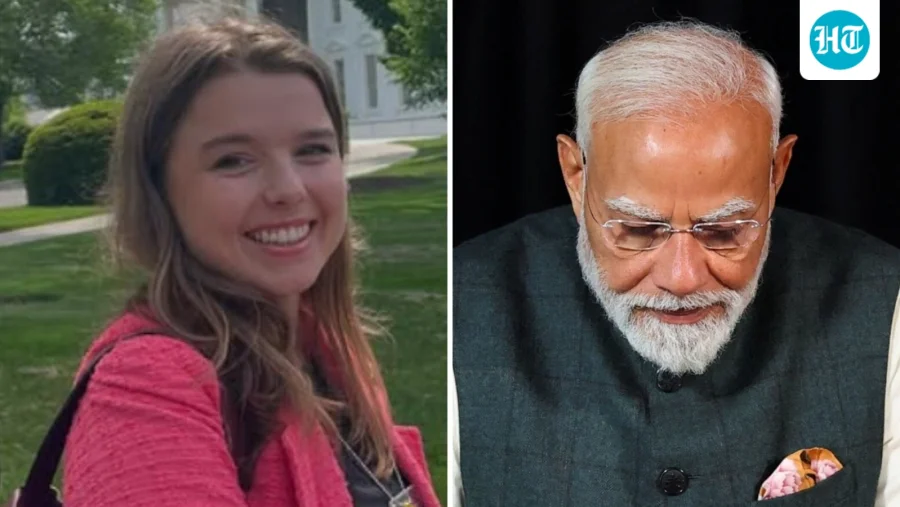
What started as a routine press interaction during Prime Minister Narendra Modi’s visit to Norway has turned into a distressing online ordeal for a local journalist. Helle Lyng, a reporter covering the high-profile diplomatic visit, found herself at the center of a social media storm after she attempted to ask the Indian leader a question. Within hours, she was flooded with abusive messages and, more disturbingly, accused of being a foreign spy.
Journalist Helle Lyng faces online abuse after PM Modi question in Norway
Helle Lyng was part of the media contingent assigned to cover PM Modi’s official engagements in Norway. As a journalist, her job was to ask questions and report on the visit. But when she tried to do exactly that, a section of online users reacted with hostility. The abuse escalated quickly, with some accusing her of having ulterior motives and even labeling her a “foreign spy.”
Why This Matters Right Now
This incident is not just about one journalist. It raises serious concerns about the safety and freedom of the press, especially when covering sensitive political figures or international visits. The online harassment of journalists—particularly women—has become a growing global problem. When a simple question leads to accusations of espionage, it sends a chilling message to reporters everywhere: ask the wrong question, and you could become a target.
How the Incident Unfolded
PM Modi’s Norway visit was a significant diplomatic event, drawing extensive media coverage. Helle Lyng was among the reporters present. Details of the exact question she asked remain unclear, but the reaction was swift and vicious. Trolls on social media platforms began targeting her, questioning her motives and her nationality. The accusations of being a spy were particularly alarming, given the serious implications of such a label.
Who Is Affected and What Officials Are Saying
Helle Lyng is the primary victim of this online abuse. She has now spoken out, issuing a clear and firm denial. “I am not a foreign spy,” she stated, pushing back against the baseless accusations. The incident has also drawn attention from journalist associations and free speech advocates, who have condemned the harassment. As of now, no official statement has been released from the Indian government or the Norwegian authorities regarding the specific incident.
What We Know So Far — and What Remains Unclear
What we know: Helle Lyng, a Norwegian journalist, faced online abuse and spy accusations after asking a question during PM Modi’s Norway visit. She has publicly denied these claims.
What remains unclear: The exact nature of the question she asked. The identity of the trolls or whether there is any organized campaign behind the abuse. Also unclear is whether any official action will be taken to address the harassment.
Risks, Concerns, and the Balanced View
The risks here are clear: online harassment can have severe psychological and professional consequences for journalists. It can also have a chilling effect on press freedom, discouraging reporters from asking tough questions. Some may argue that public figures, including journalists, should expect criticism. However, there is a significant difference between fair criticism and baseless accusations of espionage. The latter crosses a dangerous line.
Why Similar Trends or Concerns Are Growing
This incident is part of a larger, troubling pattern. Journalists worldwide, especially women and those covering politics, are increasingly targeted by online mobs. The anonymity of the internet often emboldens abusers. High-profile visits by political leaders can amplify these attacks, as nationalistic fervor sometimes spills over into hostility towards the media.
- Journalists covering political visits often face heightened scrutiny and online abuse.
- Accusations of being a “spy” or “foreign agent” are a common tactic used to discredit reporters.
- Such incidents can deter journalists from performing their duties effectively.
“I am not a foreign spy.” — Helle Lyng, Norwegian journalist
What Readers, Users, or Investors Should Know Now
For readers, this story is a reminder to critically evaluate online information and not to participate in or amplify baseless accusations. For journalists, it highlights the importance of solidarity and support networks. For media organizations, it underscores the need to protect their reporters from online harassment and to advocate for a safer digital environment for journalism.
What Could Happen Next
The online abuse may subside, but the impact on Helle Lyng could be lasting. The incident could also spark a broader conversation about the safety of journalists covering political events. There may be calls for social media platforms to take stronger action against coordinated harassment campaigns. It remains to be seen whether any official bodies will investigate the abuse.
Our Take: Why This Story Matters Beyond One Incident
This story is a microcosm of a larger crisis facing journalism today. When a journalist cannot ask a question without being accused of espionage, the very foundation of a free press is under threat. Helle Lyng’s experience is a stark reminder that the battle for press freedom is not just fought in courtrooms or newsrooms—it is fought every day on social media, one abusive comment at a time. Her courage in speaking out is commendable, but the system that allowed this to happen needs urgent fixing.
FAQs
Who is Helle Lyng and why was she accused of being a spy?
Helle Lyng is a Norwegian journalist who was covering Prime Minister Narendra Modi’s visit to Norway. She faced online abuse and accusations of being a foreign spy after she attempted to ask PM Modi a question during a press interaction.
What did Helle Lyng say in response to the spy accusations?
Helle Lyng publicly denied the allegations, stating clearly, “I am not a foreign spy.” She pushed back against the online trolls who had targeted her with abusive messages and baseless claims.
Why did the online abuse against Helle Lyng happen?
The abuse appears to have been triggered by her attempt to ask a question to PM Modi. A section of online users reacted with hostility, accusing her of having malicious intentions. The incident highlights the risks journalists face when covering high-profile political figures.
What does this incident say about press freedom and online safety?
This incident is a concerning example of how online harassment can be used to intimidate journalists. It raises serious questions about the safety of reporters, especially women, and the chilling effect such abuse can have on press freedom. It underscores the need for stronger protections for journalists both online and offline.