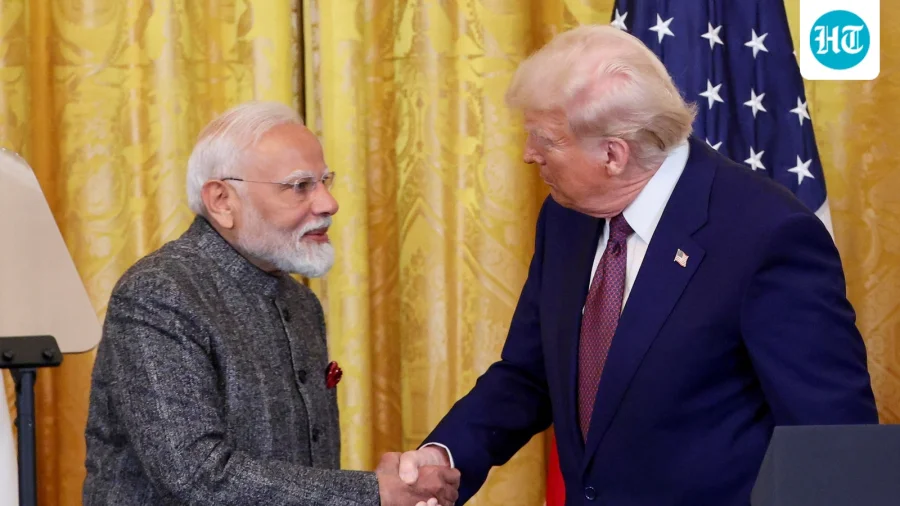
In a significant development for global trade, former US President Donald Trump has announced that a trade deal with India is on the horizon, describing Prime Minister Narendra Modi as a “good friend” and stating that the United States is “making a lot of money with India.” The remarks, made during a recent interaction, signal a potential thaw in trade tensions and a new chapter in the US-India economic partnership.
Trump’s Remarks on India-US Trade Relations
Trump’s comments come amid ongoing negotiations between the two nations, with the former president highlighting a shift in the trade dynamic. “India previously imposed high tariffs on US goods, but that situation has now reversed,” Trump said, suggesting that the US is now in a stronger position. He emphasized that the upcoming deal would benefit both economies, with a focus on reducing barriers and increasing trade volume.
Why This Trade Deal Matters for India and the US
The potential trade deal holds significant implications for both countries. For India, it could mean reduced tariffs on key exports like pharmaceuticals, textiles, and IT services, boosting the economy and creating jobs. For the US, it opens up access to India’s vast consumer market, particularly for agricultural products, machinery, and energy. The deal is also seen as a strategic move to counterbalance China’s influence in the region, strengthening the US-India alliance.
Background: The Evolution of US-India Trade Negotiations
Trade relations between the US and India have been complex, marked by periods of tension and cooperation. Under Trump’s previous administration, India faced increased tariffs on steel and aluminum, while the US criticized India’s high duties on American goods like almonds and motorcycles. However, recent negotiations have focused on mutual benefits, with both sides seeking a balanced agreement. Trump’s latest remarks indicate a more conciliatory tone, building on the groundwork laid during his earlier term.
Who Stands to Benefit From the Deal?
The trade deal is expected to have a broad impact on various sectors. Indian exporters in the pharmaceutical and textile industries could see reduced tariffs, making their products more competitive in the US market. American farmers and manufacturers, particularly in the agricultural and energy sectors, stand to gain from increased access to India’s growing consumer base. Small and medium-sized enterprises on both sides are also likely to benefit from reduced trade barriers.
Official Responses and Expert Analysis
While PM Modi has not yet publicly responded to Trump’s latest comments, the Indian government has consistently expressed interest in strengthening trade ties with the US. Trade experts believe the deal could be a win-win, but caution that details on tariff reductions and market access need to be carefully negotiated. “This is a positive signal, but the devil is in the details,” said a trade analyst. “Both sides need to ensure that the deal is fair and balanced.”
What’s Behind Trump’s Optimism?
Trump’s optimism appears rooted in the changing trade balance. He noted that the US is now “making a lot of money with India,” a shift from previous years when India’s tariffs were seen as a barrier. This reversal could be due to India’s recent tariff reductions on certain US goods and increased purchases of American energy products. The deal is also seen as a way for Trump to showcase his trade negotiation skills ahead of the next election cycle.
Confirmed Facts vs What Remains Unclear
Confirmed: Trump has stated that a trade deal with India is coming soon, and that the US is making money from the current trade relationship. He called PM Modi a “good friend.”
Unclear: The exact timeline for the deal, specific tariff reductions, and the sectors that will be most affected. It is also unclear whether the deal will be finalized before or after the next US election.
India’s Strategic Advantage in the Negotiations
India’s position in these negotiations is strengthened by its large and growing market, its role as a key ally in the Indo-Pacific, and its diversified trade partnerships. The country has also been proactive in reducing tariffs on certain US goods, such as almonds and apples, to create a more favorable negotiating environment. This strategic approach has given India leverage, allowing it to secure a deal that benefits its domestic industries while maintaining strong ties with the US.
Risks and Balanced View
While the deal is promising, risks remain. Critics argue that Trump’s “America First” approach could lead to demands that are unfavorable for India, such as increased purchases of US energy or reduced protection for Indian farmers. There are also concerns about the impact on India’s domestic industries, particularly in sectors like dairy and agriculture, which could face competition from US imports. A balanced view suggests that while the deal offers opportunities, India must negotiate carefully to protect its strategic interests.
Wider Trend: US-India Relations in a Changing Global Order
The trade deal is part of a broader trend of deepening US-India relations, driven by shared concerns over China’s rise and the need for economic diversification. Both countries have been strengthening their strategic partnership through initiatives like the Quad and defense cooperation. A successful trade deal could further cement this alliance, making the US and India key economic partners in the Indo-Pacific region.
Practical Guidance for Businesses and Investors
For businesses on both sides, the upcoming deal presents opportunities to expand into new markets. Indian exporters should prepare for potential tariff reductions by ensuring compliance with US standards and regulations. American companies looking to enter India should focus on sectors like energy, technology, and agriculture, where demand is high. Investors should monitor the negotiations closely, as the deal could boost stocks in trade-sensitive sectors like pharmaceuticals, textiles, and energy.
Future Outlook: What Happens Next?
The trade deal is expected to be announced in the coming weeks, with both sides working to finalize the details. If successful, it could lead to a significant increase in bilateral trade, potentially reaching $500 billion in the next few years. However, the deal’s implementation will require careful monitoring to ensure that both sides adhere to the agreed terms. The outcome could also set a precedent for US trade negotiations with other countries.
Our Take
Trump’s announcement of a trade deal with India is a positive development that reflects the growing importance of the US-India relationship. While the details remain unclear, the shift in tone from confrontation to cooperation is encouraging. For India, the deal offers a chance to boost exports and strengthen its economy, but it must be careful not to concede too much in key sectors. For the US, it’s an opportunity to expand its market access and counter China’s influence. Ultimately, the success of the deal will depend on the ability of both sides to find a balance that benefits their respective economies and citizens.
Frequently Asked Questions
What did Donald Trump say about the India-US trade deal?
Donald Trump said that a trade deal with India is coming soon, calling PM Modi a “good friend” and noting that the US is “making a lot of money with India.” He indicated that previous high tariffs imposed by India on US goods have now reversed.
How will the trade deal affect tariffs between India and the US?
The deal is expected to reduce tariffs on both sides, benefiting sectors like pharmaceuticals, textiles, and agriculture. Specific tariff reductions are still being negotiated, but the overall goal is to lower trade barriers and increase bilateral trade.
When will the India-US trade deal be finalized?
Trump has not provided a specific timeline, but he indicated that the deal is imminent and could be announced in the coming weeks. Both sides are working to finalize the details.
What sectors will benefit most from the India-US trade deal?
Indian exporters in pharmaceuticals, textiles, and IT services are likely to benefit, while US exporters in agriculture, energy, and machinery stand to gain. Small and medium-sized enterprises on both sides could also see opportunities.