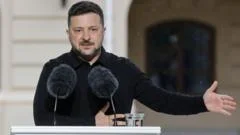
In a rare and direct diplomatic move, Ukrainian President Volodymyr Zelensky has published an open letter to Russian President Vladimir Putin, proposing face-to-face talks to end the war. The letter, released on June 4, 2026, argues that only “direct engagement” between the two leaders can break the deadlock and lead to a sustainable peace agreement.
What Zelensky’s Open Letter Actually Says
The letter, addressed personally to Putin, calls for a meeting without preconditions. Zelensky has repeatedly stated that only a one-on-one summit can resolve key issues, including territorial disputes and security guarantees. The proposal comes as Ukraine faces mounting pressure on the battlefield and a shifting geopolitical landscape.
Why This Proposal Matters Now
The timing is critical. The United States, Ukraine’s primary military backer, is increasingly focused on tensions with Iran, potentially reducing its capacity to support Kyiv. This shift may have prompted Zelensky to seek a direct diplomatic channel with Moscow before Ukraine’s negotiating position weakens further. For ordinary Ukrainians, the war has exacted a devastating toll—thousands dead, millions displaced, and an economy in ruins. Any prospect of talks offers a glimmer of hope, but also raises fears of concessions.
Background: A History of Rejected Overtures
Zelensky has proposed direct talks with Putin multiple times since the full-scale invasion began in 2022. Previous offers included meetings in Kyiv, Istanbul, and other neutral venues. Russia has consistently rejected these, insisting that any negotiations must recognize its territorial gains and be held on its terms. In 2025, the Kremlin demanded that talks take place only in Moscow, a condition Ukraine dismissed as unacceptable.
Who Is Affected by This Development
Millions of Ukrainians living under constant threat of missile strikes and occupation are directly affected. Soldiers on the front lines, families separated by the war, and civilians in Russian-occupied territories all have a stake in whether talks succeed or fail. Internationally, European allies watching the US pivot to Iran are concerned about a potential reduction in aid to Ukraine.
Kremlin’s Silence and Likely Response
As of now, the Kremlin has not officially responded to Zelensky’s letter. However, based on past patterns, analysts expect Moscow to either ignore the proposal or set preconditions that Kyiv cannot accept. Russian officials have previously stated that any peace deal must recognize Crimea as Russian and acknowledge the annexation of four Ukrainian regions. Zelensky has ruled out such concessions.
What “Direct Engagement” Really Means
Zelensky’s insistence on face-to-face talks is not just symbolic. He believes that personal diplomacy can break through entrenched positions and that Putin, if confronted directly, may be more willing to compromise. Critics argue that Putin has shown no such willingness and that the proposal may be a strategic move to shift blame for continued fighting onto Russia.
Confirmed Facts vs What Remains Unclear
Confirmed: Zelensky published an open letter to Putin proposing direct talks. The letter states that only face-to-face engagement can end the war. Unclear: Whether Russia will respond positively. The specific venue or date for any potential meeting has not been proposed. Whether the US shift toward Iran directly influenced Zelensky’s timing is speculative but widely reported by analysts.
Ukraine’s Diplomatic Strategy: Why This Approach
Ukraine has long sought to internationalize the conflict, relying on Western military and economic aid. With US attention divided, Zelensky may be pivoting to a dual-track strategy: maintaining military resistance while opening a diplomatic front. This approach also serves to demonstrate to allies that Ukraine is willing to negotiate, countering any narrative that Kyiv is obstructionist.
Risks and Balanced View
The proposal carries significant risks. If Russia rejects or ignores the letter, it could demoralize Ukrainian troops and civilians. Conversely, if talks do occur, Ukraine may face pressure to make painful concessions. Critics within Ukraine warn that direct talks with Putin could legitimize his regime and reward aggression. Supporters argue that diplomacy is the only path to lasting peace, even if imperfect.
Wider Geopolitical Pattern: US Focus on Iran
The United States is increasingly redirecting diplomatic and military resources toward Iran, amid escalating tensions over its nuclear program. This shift has raised concerns in Kyiv and European capitals that Ukraine may become a secondary priority. Zelensky’s open letter can be seen as an attempt to seize the initiative before Ukraine’s leverage diminishes.
What Ukrainians and the World Should Watch For
For Ukrainians, the key is to monitor the Kremlin’s official response. If Russia agrees to talks without preconditions, it would mark a significant shift. For international observers, the reaction of European allies—particularly Germany and France—will be crucial. They may push for a mediated process if direct talks fail.
Future Outlook: What Could Happen Next
Three scenarios are possible: First, Russia rejects the proposal, leading to continued fighting. Second, Russia agrees to talks but sets impossible conditions, stalling progress. Third, a breakthrough occurs, leading to a ceasefire and eventual peace negotiations. Most analysts consider the first scenario most likely, but the diplomatic landscape remains fluid.
Our Take
Zelensky’s open letter is a calculated gamble. It puts the onus on Russia to respond and reminds the world that Ukraine seeks peace, not endless war. However, without a shift in Moscow’s position, the proposal may amount to little more than a diplomatic gesture. The real story here is not the letter itself, but the changing geopolitical calculus that prompted it. As US attention pivots, Ukraine is scrambling to secure its future—through both bullets and ballots, and now, through an open letter.
Frequently Asked Questions
What did Zelensky propose in his open letter to Putin?
Zelensky proposed a face-to-face meeting with Putin to discuss ending the war, arguing that only direct engagement between the two leaders can lead to a peace agreement.
Has Russia responded to Zelensky’s letter?
As of now, the Kremlin has not issued an official response. Historically, Russia has rejected similar proposals or demanded talks on its own terms.
Why is Zelensky making this proposal now?
The proposal comes as the United States shifts its diplomatic focus toward Iran, potentially reducing support for Ukraine. Zelensky may be seeking to open a diplomatic channel before Ukraine’s negotiating position weakens.
What are the chances of a meeting happening?
Analysts consider it unlikely in the near term, given Russia’s past rejections and insistence on preconditions. However, the diplomatic situation could change rapidly.