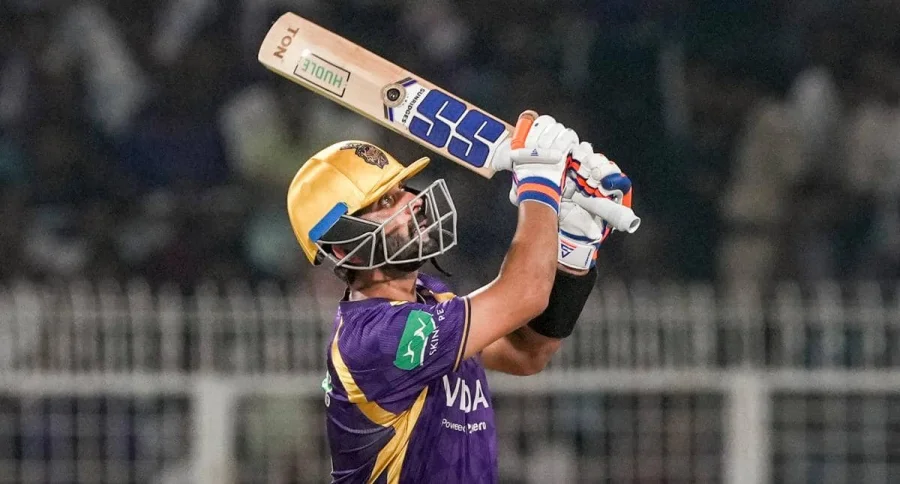
The video message was short, emotional, and typically understated — much like the man himself. Ajinkya Rahane, one of Indian cricket's most dependable middle-order batters, has called time on his professional playing career. But the conversation that follows his announcement isn't just about the runs he scored or the series he won. It's about what happens next — specifically, the financial security that BCCI extends to its former players.
What Rahane's Retirement Announcement Actually Confirmed
In his farewell message, Rahane made it clear that his days as an active player are over. But he was equally clear about one thing — he isn't walking away from cricket. Mentoring young talent and passing on his tactical understanding of the game is where he sees his future.
That distinction matters. Retirement for an international cricketer isn't just a personal milestone. It triggers a formal transition into BCCI's welfare framework, which is designed to honour decades of service with structured financial support.
How the BCCI Player Pension Scheme Works
The financial backing for former Indian cricketers comes through a structured welfare pool managed by BCCI. A major portion of these funds originates from the board's revenue streams, including broadcast deals, sponsorship agreements, and central contracts.
The pension scheme is not uniform. Payouts are calculated based on the number of matches played across formats, with Test cricket typically carrying the highest weight. Players who represented India for a decade or more — like Rahane — fall into the top eligibility bracket.
Why Rahane's Case Sits in the Top Tier
Rahane's international career spanned over a decade. He was a regular in the Test side for years, served as vice-captain, and even led India to one of its most famous overseas victories — the 2020-21 Border-Gavaskar series win in Australia.
Under BCCI's welfare rules, long-serving international players qualify for enhanced pension benefits. The exact amount depends on the board's current payout structure, which is periodically revised. What is clear is that Rahane's service record places him firmly in the highest category of eligibility.
What This Means for Rahane's Post-Retirement Life
For a player of Rahane's stature, the pension is one part of a larger financial picture. Match fees, central contracts, IPL earnings, and brand endorsements accumulated over a decade provide additional security. But the BCCI pension remains a significant, guaranteed monthly income that doesn't depend on market conditions or personal investments.
It also carries symbolic weight. The pension is BCCI's formal acknowledgment of a player's contribution to Indian cricket — a recurring reminder that the board stands behind those who wore the national colours.
BCCI's Welfare Framework for Former Players
The board's welfare provisions extend beyond pensions. Former players also receive access to medical insurance, match-day hospitality, and in some cases, one-time grants for specific needs. The pension, however, remains the cornerstone of this system.
BCCI has revised these payouts over the years, responding to demands from former players for better financial recognition. The current structure reflects those revisions, though the board has not publicly disclosed individual pension amounts.
What Rahane's Mentoring Role Could Look Like
Rahane's stated plan to mentor young players aligns with a broader trend in Indian cricket. Former internationals increasingly move into coaching, talent scouting, and mentorship roles within state associations, IPL franchises, and the National Cricket Academy.
His tactical acumen, especially in Test cricket, makes him a valuable resource for developing batters. His experience captaining India in high-pressure situations adds another layer of credibility to any mentoring role he takes on.
Confirmed Facts vs What Remains Unclear
What is confirmed: Rahane has retired, he qualifies for BCCI's top-tier welfare benefits, and the pension scheme is funded through the board's structured welfare pool.
What remains unclear: the exact pension amount Rahane will receive. BCCI does not publicly disclose individual pension figures, and the board has not issued a statement about Rahane's specific case. Any number circulating online should be treated as speculation unless officially confirmed.
Risks and Balanced View
While the pension provides a safety net, former players have occasionally voiced concerns about the adequacy of BCCI's welfare payouts compared to the revenue the board generates. Some have argued that the pension structure, while improved, still lags behind the financial rewards available to active players.
Rahane's situation is also different from players who retired a generation ago. His career overlapped with the IPL era, which means his personal earnings are likely substantial. The pension, for him, is more about recognition and security than survival.
The Wider Pattern: How Indian Cricket Honours Its Retired Stars
Rahane's retirement fits into a larger story about how Indian cricket treats its former players. Over the past decade, BCCI has expanded its welfare schemes, responding to criticism that past generations were left with inadequate support.
The current system is more structured, more transparent, and more generous than what existed in earlier decades. But it also operates quietly — most fans don't know how much a retired player receives, and BCCI rarely highlights these details publicly.
What Rahane Should Do Now
For Rahane, the immediate steps are straightforward: formally complete his retirement paperwork with BCCI, confirm his pension eligibility through the board's welfare department, and explore mentoring opportunities that align with his stated goals.
For fans and observers, the takeaway is simpler. Rahane's retirement closes a significant chapter in Indian cricket, but his involvement with the game is far from over.
Future Outlook
Rahane's next move will likely be announced in the coming months. Whether he joins a franchise coaching setup, works with the National Cricket Academy, or takes on a mentorship role in domestic cricket, his value to the game remains intact.
His pension, meanwhile, will begin flowing through BCCI's standard process — a quiet, reliable acknowledgment of a career that gave Indian cricket more than most fans will ever fully know.
Our Take
Ajinkya Rahane's retirement is not a story about money. It's a story about transition — from active player to mentor, from the spotlight to the sidelines. The BCCI pension is part of that transition, a formal recognition of service that allows a player to step away with dignity and security.
But it also raises a broader question. As Indian cricket generates unprecedented revenue, the board's welfare commitments to former players will face increasing scrutiny. Rahane's case is straightforward — a long-serving international with clear eligibility. The harder conversations will come when the board is asked to justify pension levels for players from less prominent eras.
For now, Rahane's retirement deserves recognition for what it is: the end of a distinguished playing career, and the beginning of a different kind of contribution to Indian cricket.
Frequently Asked Questions
How much BCCI pension will Ajinkya Rahane receive after retirement?
The exact amount has not been officially disclosed by BCCI. Pension payouts are calculated based on the number of matches played, with Test cricket carrying the highest weight. Rahane's decade-long international career places him in the top eligibility bracket, but the specific figure remains undisclosed.
Who is eligible for the BCCI player pension scheme?
Former Indian cricketers who have represented the country in international matches are eligible. The pension amount varies based on the number of matches played across formats, with longer careers and more Test appearances resulting in higher payouts.
How is the BCCI pension scheme funded?
The scheme is funded through a structured welfare pool managed by BCCI. This pool draws from the board's revenue, including broadcast deals, sponsorship agreements, and central contract allocations.
Does Ajinkya Rahane qualify for the top-tier BCCI pension bracket?
Yes. Rahane represented India for over a decade, including regular appearances in Test cricket. Under BCCI's welfare rules, this level of service qualifies him for the highest category of post-retirement benefits.