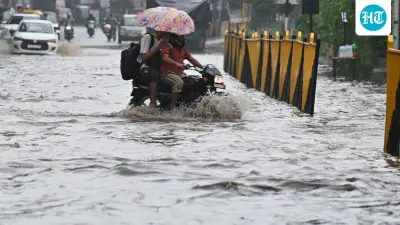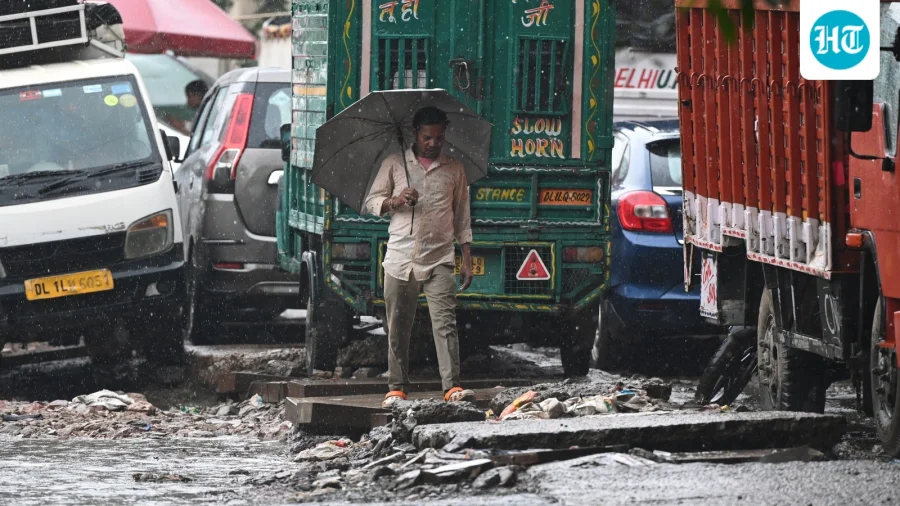
Monsoon has tightened its grip over North India, and the India Meteorological Department (IMD) has sounded a heavy rain alert for today that puts Delhi NCR and Haryana squarely in the path of intense showers. For millions of commuters across the capital region, this means one thing: brace for a waterlogged, traffic-heavy day ahead.
IMD Yellow Alert Active for Delhi NCR and Haryana Today
The weather office has placed Gurugram, Faridabad, Ghaziabad and Noida under a yellow alert, signalling the possibility of heavy rainfall that could disrupt daily life. Delhi itself is expected to experience a cloudy sky with moderate rain throughout the day, according to the forecast.
A yellow alert is not the most severe warning in IMD's colour-coded system, but it serves as a heads-up for residents to stay cautious. It indicates that while extreme weather is not guaranteed, conditions are favourable for significant rain that could cause localised issues.
Why This Rain Alert Matters for Your Daily Routine
For the lakhs of people who commute between Delhi, Gurugram, Noida and Ghaziabad daily, this alert is more than just a weather update. Moderate to heavy rain in these urban centres historically leads to waterlogging on key roads, underpasses filling up quickly, and the city's drainage system struggling to keep pace.
The India Meteorological Department's warning is particularly relevant for office-goers, school children and daily wage workers who depend on smooth transport. A rainy day in the NCR often translates to longer travel times, delayed trains and buses, and the constant risk of getting stuck in traffic jams.
Understanding the IMD Colour-Coded Warning System
The IMD uses a four-stage colour code to communicate weather risk to the public. A green alert means no action is needed, while a yellow alert — the one issued today — asks residents to "be aware" of the weather conditions. An orange alert requires people to "be prepared" for severe weather, and a red alert demands immediate action as extreme weather is expected.
Today's yellow alert for Delhi NCR and Haryana is the IMD's way of saying that while the situation is not yet dangerous, the rain could still cause inconvenience. It is a calibrated warning that encourages preparedness without creating unnecessary panic.
Who Is Affected by the Heavy Rain Warning
The primary impact of this alert falls on residents of the National Capital Region, including Delhi, Gurugram, Faridabad, Ghaziabad and Noida. Beyond the NCR, the IMD's broader warning covers several other states across India that are expected to receive heavy rainfall today.
For the common citizen, the practical implications are immediate. Morning commuters should factor in extra travel time, parents should prepare rain gear for school-going children, and those with outdoor plans may need to reconsider. The alert also has implications for businesses that depend on clear weather, from street vendors to logistics companies.
What the India Meteorological Department Has Said
The India Meteorological Department, as the country's official weather monitoring agency, has based this alert on current atmospheric conditions and monsoon patterns. The forecast of a cloudy sky with moderate rain for Delhi, combined with the yellow alert for the surrounding NCR cities, reflects the IMD's assessment of the day's weather trajectory.
While the IMD has not issued a more severe orange or red alert for today, the yellow warning should not be taken lightly. The weather office's bulletins are based on data from satellite imagery, weather stations and predictive models, making them the most reliable source of weather information for the public.
How This Rain Fits Into the Larger Monsoon Pattern
This heavy rain alert comes as part of the ongoing monsoon season, which typically brings substantial rainfall to North India between June and September. The IMD's warning for today is consistent with the broader weather patterns that have been affecting the region, with monsoon troughs and western disturbances influencing rainfall distribution.
For residents of Delhi NCR and Haryana, this is a familiar seasonal reality. The monsoon brings relief from summer heat but also tests the region's infrastructure. Understanding this larger pattern helps put today's alert in perspective — it is not an isolated event but part of the region's annual weather cycle.
Confirmed Forecast vs What Remains Uncertain
What is confirmed is that Delhi will see a cloudy sky with moderate rain today, and that Gurugram, Faridabad, Ghaziabad and Noida are under a yellow alert from the IMD. These are official forecasts from the country's premier weather monitoring agency.
What remains uncertain is the exact intensity and duration of the rainfall. Weather forecasts, even from the IMD, carry inherent uncertainty, and the actual rainfall could vary from the prediction. Whether the moderate rain in Delhi intensifies into heavy showers, or whether the yellow alert areas see less rain than expected, will only become clear as the day progresses.
Practical Steps for Residents During the Rain Alert
For those in Delhi NCR and Haryana today, a few practical precautions can make the day smoother. Carry an umbrella or raincoat regardless of the morning sky, as rain can begin suddenly. If you are driving, maintain extra distance from other vehicles and avoid known waterlogging spots.
Commuters should check live traffic updates before heading out and consider alternative routes that avoid low-lying areas. Parents should ensure children have appropriate rain protection for school. Those with flexible schedules may want to delay travel until the heaviest rain passes.
What the Rest of the Day Could Look Like
Based on the IMD's forecast, the day is expected to remain cloudy with intermittent rain in Delhi, while the NCR cities under the yellow alert could see heavier spells. The rain is likely to continue through the day, with conditions potentially improving towards the evening.
Residents should keep an eye on official IMD updates throughout the day, as weather situations can change rapidly. Local news channels and weather apps that source data from the IMD will also provide timely updates on any escalation or de-escalation of the alert.
Our Take
Today's heavy rain alert for Delhi NCR and Haryana is a routine but important reminder of how dependent urban India remains on accurate weather forecasting. The IMD's yellow alert system works well when the public understands it and responds appropriately — being aware without being alarmed.
The broader lesson here is about urban preparedness. Every monsoon season exposes vulnerabilities in our cities' drainage and transport systems, and alerts like today's give authorities and citizens alike the chance to respond proactively. For now, the message is simple: carry an umbrella, plan your commute, and stay informed.
Frequently Asked Questions
What does a yellow alert from IMD mean?
A yellow alert from the India Meteorological Department is a warning to "be aware" of weather conditions. It indicates that while severe weather is not guaranteed, conditions are favourable for significant rain or other weather events that could cause inconvenience. It is the second level in IMD's four-stage colour-coded warning system.
Which areas are under the heavy rain alert today?
According to the IMD forecast, Delhi is expected to see a cloudy sky with moderate rain today. Gurugram, Faridabad, Ghaziabad and Noida in the National Capital Region have been placed under a yellow alert, along with parts of Haryana and other states across India.
Should schools and offices remain open during a yellow alert?
A yellow alert does not typically require schools or offices to close. It is a cautionary warning rather than an emergency alert. However, parents and employers should monitor the situation and use their judgment based on actual weather conditions in their area.
How can I stay updated on the rain situation today?
The most reliable source of weather information is the official India Meteorological Department website and its social media channels. Local news channels, weather apps that source data from IMD, and official state government disaster management handles also provide timely updates on changing conditions.