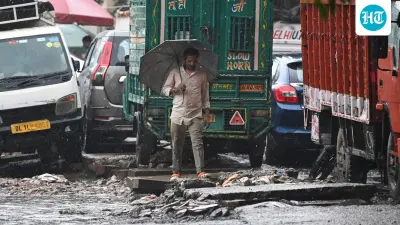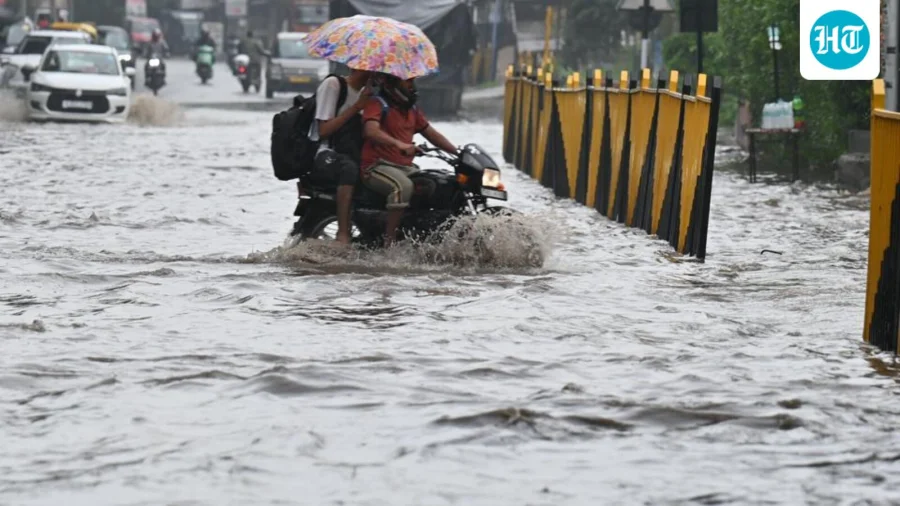
The morning commute turned into a battle for thousands across Delhi and the National Capital Region on Saturday, as sudden bursts of rainfall crippled the city for a second consecutive day. What should have been a routine weekend was marked by fallen trees blocking arterial roads, water accumulating at underpasses, and passengers stranded at airports watching departure boards flicker with delays.
Rainfall Exposes City's Vulnerable Spots Yet Again
The scenes from New Delhi and Gurugram painted a familiar picture of urban fragility. Waterlogged roads turned into obstacle courses for commuters, while traffic logjams stretched for kilometres on key routes. For residents, the frustration was palpable — this was not an unprecedented cloudburst but a pattern that repeats every monsoon season, exposing the same weak points in drainage and civic management.
The timing could not be more inconvenient. With the Brics Summit scheduled in the coming days, Delhi is expected to host several world leaders, and the city's inability to handle routine rainfall raises uncomfortable questions about infrastructure readiness on an international stage.
Why This Rain Disruption Carries Extra Weight This Week
For the average Delhi resident, waterlogging is an annual ordeal. But this week carries a different significance. The city is preparing to welcome global dignitaries for the Brics Summit, an event that puts Delhi's urban management under international scrutiny. When delegates arrive, they will see not just the city's monuments but also its potholed, water-filled streets and the daily struggle of its citizens.
The disruption also hits the economy at a grassroots level — daily wage workers lose income, office-goers lose productive hours, and small businesses near affected areas see reduced footfall. The cumulative cost of two days of rainfall disruption runs into crores, though no official estimate has been provided.
How the Second Day of Rain Unfolded Across NCR
Saturday's rainfall followed a similar trajectory to Friday's, with intense but brief downpours overwhelming drainage systems. In Gurugram, several underpasses became impassable, forcing commuters to take lengthy detours. Fallen trees were reported across multiple neighbourhoods, damaging parked vehicles and blocking residential streets.
At Delhi's airports, flight operations were affected as visibility dropped and ground handling slowed. Passengers reported waiting on tarmacs and inside aircraft for extended periods. The India Meteorological Department had earlier predicted the rainfall, yet the city's response appeared reactive rather than preventive.
Real-Life Impact on Commuters and Families
For families, the rain meant cancelled outings and disrupted plans. For students appearing in weekend classes or coaching centres, reaching their destinations became a logistical nightmare. For the elderly and those with medical appointments, the situation was more serious — ambulances struggled to navigate waterlogged roads, and hospital visits became risky endeavours.
Commuters shared stories of abandoning vehicles and walking through knee-deep water. Auto and cab fares surged as availability dropped, hitting those who depend on daily transport the hardest. The human cost of urban flooding extends beyond inconvenience — it affects safety, health and livelihoods.
Authorities Yet to Address the Growing Concern
As of now, no official statement has been issued by the Delhi government or municipal corporations regarding the second day of disruption. The absence of a clear communication strategy has left residents frustrated, with many taking to social media to demand accountability. Civic agencies have not yet provided a timeline for clearing waterlogging or addressing the fallen trees.
This silence is particularly concerning given the upcoming Brics Summit. International events demand a level of urban polish that the current situation does not reflect, and officials will need to act swiftly to restore normalcy before world leaders arrive.
What This Repeated Failure Says About Urban Planning
The recurrence of waterlogging in the same locations year after year points to a deeper issue — the absence of long-term urban planning. Desilting of drains, which should be a pre-monsoon routine, appears incomplete. The city's stormwater infrastructure, designed decades ago, is struggling to cope with changing rainfall patterns and increased concretisation.
Experts have long argued that Delhi's drainage system needs comprehensive overhaul rather than patchwork repairs. The current situation is a symptom of deferred maintenance and inadequate investment in climate-resilient infrastructure.
Confirmed Facts vs What Remains Unclear
What is confirmed: Delhi and NCR experienced a second consecutive day of rainfall on Saturday. Fallen trees, waterlogged roads, flight delays and traffic congestion were reported across New Delhi and Gurugram.
What remains unclear: The full extent of damage, the number of flights affected, and the specific areas worst hit have not been officially documented. Whether authorities have a contingency plan for the Brics Summit in light of this weather disruption is also unknown.
Wider Pattern of Urban Flooding in Indian Metros
Delhi's struggle is not unique. Bengaluru, Mumbai, Hyderabad and other Indian metros face similar scenes every monsoon. The pattern is consistent — rapid urbanisation, encroachment on natural drainage channels, and inadequate infrastructure investment combine to turn moderate rainfall into urban crises.
This recurring cycle highlights a national challenge: Indian cities need climate-adaptive urban planning that anticipates extreme weather events rather than reacting to them after the damage is done.
Practical Guidance for Residents During This Spell
For those navigating the city over the next few days, planning ahead is essential. Check traffic updates before leaving home, avoid known waterlogging hotspots, and keep emergency numbers handy. If driving, avoid underpasses and low-lying areas during heavy rainfall. For air travellers, arriving at the airport earlier than usual is advisable given potential delays.
Residents should also report waterlogging and fallen trees to civic authorities through official channels, creating a documented record of problem areas that can strengthen demands for long-term fixes.
What Could Happen Next
With the Brics Summit approaching, authorities are likely to accelerate cleanup operations to present a better picture to visiting dignitaries. However, the weather forecast remains uncertain, and further rainfall cannot be ruled out. The coming days will test whether the city can manage both its infrastructure challenges and its international commitments simultaneously.
Long-term, this episode adds to the growing pressure on civic agencies to invest seriously in drainage modernisation and climate resilience. Whether that pressure translates into action remains to be seen.
Our Take
Two days of rainfall should not bring a national capital to its knees. The fact that it does reflects a governance failure that has become routine — and therefore more dangerous. As Delhi prepares to host world leaders, the contrast between its global ambitions and its local realities becomes impossible to ignore. The city does not need more promises; it needs functioning drains, cleared roads and accountable civic management. Until those basics are addressed, every monsoon will continue to expose the same weaknesses, regardless of how many summits the city hosts.
Frequently Asked Questions
Why is Delhi facing waterlogging after just two days of rain?
Delhi's drainage system is outdated and poorly maintained. Drains are often clogged with silt and solid waste, and rapid concretisation has reduced the ground's ability to absorb rainwater. Even moderate rainfall overwhelms the system, leading to waterlogging in low-lying areas and underpasses.
Which areas in Delhi and NCR are most affected by the rainfall?
While official data is yet to be released, reports indicate that several underpasses in Gurugram and arterial roads in New Delhi were severely affected. Commuters reported waterlogging in multiple neighbourhoods, with fallen trees blocking residential streets across the region.
Will the Brics Summit be affected by the weather disruption?
There has been no official statement suggesting the Brics Summit schedule will change. However, the waterlogging has raised concerns about the city's preparedness to host international delegates. Authorities are expected to accelerate cleanup efforts ahead of the summit.
What should commuters do during this rainy spell in Delhi?
Commuters should check live traffic updates, avoid known waterlogging hotspots and underpasses, and allow extra travel time. Those flying should reach the airport early. It is also advisable to keep emergency contact numbers saved and avoid driving through flooded areas.