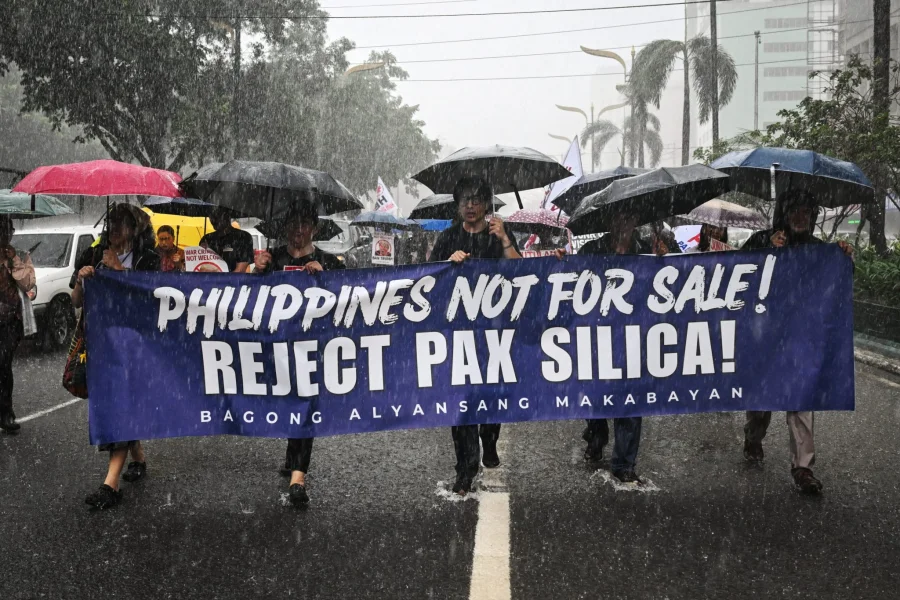
The world's two largest economies are building rival AI orders, and Southeast Asia is caught in the middle. Washington has Pax Silica. Beijing has WAICO. ASEAN — a bloc of ten nations with growing tech ambitions — still has room to maneuver. But that window won't stay open forever.
Two Competing Visions for Global AI
The United States launched Pax Silica in December 2025. Washington frames it as a cooperative effort to secure global supply chains for semiconductors, semiconductor manufacturing equipment, AI technologies and rare earth minerals. The official line is collaboration, not coercion.
China's response came months later. The World Artificial Intelligence Cooperation Organization, or WAICO, launched in Shanghai in July 2026 with 29 founding members. Beijing positions WAICO as a defender of emerging economies' interests — a direct counter to what it calls US dominance of the AI ecosystem.
Why Southeast Asia Matters More Than Ever
ASEAN nations sit at the crossroads of this rivalry for a simple reason: they have what both sides want. The region hosts critical semiconductor assembly and testing operations, particularly in Malaysia, Singapore and Vietnam. It also represents hundreds of millions of consumers whose data and digital markets will shape AI development for decades.
For Washington, ASEAN is a vital link in the semiconductor supply chain. For Beijing, it is both a market for AI infrastructure and a diplomatic battleground where it can prove WAICO offers genuine alternatives to US-led systems.
How the Two AI Blocs Differ in Approach
The philosophical divide is stark. Pax Silica operates on the assumption that secure supply chains and trusted technology partnerships should be organized around US allies and their ecosystems. Washington insists it is not trying to impose its policies on others — but the structure of the initiative inevitably favors partners aligned with American interests.
WAICO, by contrast, presents itself as a multilateral platform for emerging economies. China's pitch is straightforward: join us, and you get access to AI infrastructure, investment and technology transfer without the political strings attached to US partnerships. The 29 founding members suggest Beijing has found a receptive audience.
What a Hedge Actually Requires From ASEAN
Here is the uncomfortable truth for ASEAN: hedging only works if you have something to offer both sides. Right now, the bloc's leverage is fragmented. Individual member states are making their own calculations — some leaning toward Washington, others toward Beijing, many trying to balance both.
A genuine hedge requires ASEAN to act collectively. That means agreeing on common standards for AI governance, data flows and technology procurement. It means coordinating positions in negotiations with both blocs rather than letting each member state be picked off individually. And it means building enough internal capacity that ASEAN nations are not simply passive recipients of whichever superpower offers the better deal.
The Risks of Staying Uncoordinated
The danger of inaction is not hypothetical. If ASEAN members continue to go their separate ways, they will end up locked into whichever system they first commit to — with little room to adjust later. Supply chain dependencies, technology standards and data governance rules tend to harden over time.
There is also a political cost. A fragmented ASEAN weakens the bloc's collective voice in global AI governance discussions. Both Washington and Beijing will happily deal with individual nations on their own terms. Neither has an incentive to offer better terms to ASEAN as a whole unless the bloc demands it collectively.
Confirmed Facts vs What Remains Unclear
What is confirmed: Pax Silica was launched by the US in December 2025. WAICO was launched in Shanghai in July 2026 with 29 founding members. The two initiatives represent competing visions for organizing AI infrastructure, semiconductor supply chains and technology access.
What remains unclear: how many ASEAN member states have engaged with either initiative, what specific commitments have been made, and whether ASEAN as an institution has begun any coordinated policy discussion. Public reporting on these points is limited.
Why ASEAN's Collective Leverage Is Its Greatest Asset
ASEAN's strength has always been its collective weight. Ten nations, over 600 million people, and a strategic location between the Pacific and Indian Oceans. Individually, each member is a small player in the AI race. Together, they represent a market and a production base that neither Washington nor Beijing can afford to ignore.
The bloc also has something else: credibility as a neutral actor. ASEAN has historically positioned itself as a zone of peace, freedom and neutrality. That tradition gives it diplomatic space that more aligned nations lack.
The Risks of Committing Too Early to Either Side
There are real downsides to picking a side prematurely. Aligning too closely with Pax Silica could mean accepting US technology standards and supply chain requirements that limit options for engagement with Chinese markets. Aligning with WAICO risks dependency on Chinese infrastructure and governance models that may not align with ASEAN's democratic values or its relationships with Western partners.
There is also the risk of doing nothing at all. Neutrality without strategy is not a hedge — it is drift. ASEAN needs to decide what it wants from AI development and then use its position to get it.
A Broader Pattern: Middle Powers Caught in Tech Rivalry
ASEAN is not alone in this predicament. Across the Global South, nations are being asked to choose sides in a technological cold war. India, Brazil, South Africa and others are all navigating similar pressures. The difference is that ASEAN's geographic position and its role in semiconductor supply chains make the choice more consequential — and the window for strategic action shorter.
What ASEAN Leaders Should Do Now
The practical steps are clear, even if the politics are difficult. First, ASEAN should open a formal dialogue on AI governance and technology standards. Second, it should map its collective semiconductor and digital infrastructure assets to understand its true leverage. Third, it should engage both Pax Silica and WAICO from a coordinated position — not as ten separate nations, but as one bloc with shared interests.
None of this is easy. ASEAN operates by consensus, and its members have different political systems, economic priorities and security concerns. But the cost of failing to coordinate is far higher than the cost of difficult conversations.
What Happens Next in the ASEAN AI Calculus
The next 12 to 24 months will be decisive. Both Pax Silica and WAICO will be expanding their membership and deepening their engagements across Southeast Asia. Individual ASEAN members will face increasing pressure to commit. Whether the bloc can develop a collective response before those pressures become impossible to resist is the central question.
ASEAN still has room to hedge. But hedging is not passive — it requires active strategy, coordination and the willingness to make demands of both superpowers. The window is open. It will not stay open indefinitely.
Our Take
ASEAN's challenge is not unique, but its opportunity is. The bloc has genuine leverage that most other middle powers lack — a central role in global semiconductor production and a market that both Washington and Beijing covet. The tragedy would be watching that leverage evaporate because member states could not coordinate.
The bloc does not need to choose between America and China. It needs to choose itself first — and then negotiate from strength with both.
Frequently Asked Questions
What is Pax Silica?
Pax Silica is a US-led initiative launched in December 2025 to secure global supply chains for semiconductors, semiconductor manufacturing equipment, AI technologies and rare earth minerals. Washington describes it as a cooperative organization rather than a tool to enforce its policies.
What is WAICO?
WAICO, or the World Artificial Intelligence Cooperation Organization, is a China-led initiative launched in Shanghai in July 2026 with 29 founding members. It positions itself as a champion of emerging economies' interests in AI development and access.
Why is ASEAN important in the US-China AI rivalry?
ASEAN matters because the region hosts critical semiconductor assembly and testing operations and represents a large and growing digital market. Both Washington and Beijing see Southeast Asia as strategically vital for their respective AI initiatives.
Can ASEAN really hedge between America and China on AI?
Yes, but only with a coordinated strategy. ASEAN's leverage comes from acting collectively. If member states negotiate individually, they will likely be locked into one system or the other. A genuine hedge requires common standards, coordinated positions and internal capacity building.