Nearly two years after three UPSC aspirants drowned in the flooded basement of a Delhi coaching centre, the Central Bureau of Investigation (CBI) has told a city court that its probe found no criminal lapse by any senior civic official. The court, however, has questioned the scope of the investigation, raising doubts about whether the agency adequately examined the role of senior Municipal Corporation of Delhi (MCD) officials.
CBI's clean chit to senior MCD officials in coaching centre tragedy
In a status report submitted to the Rouse Avenue Court, the CBI stated that its investigation into the July 27, 2024, deaths at Rau’s IAS Coaching Centre in Old Rajendra Nagar found no evidence of criminal negligence by senior MCD officials. The agency reportedly argued that the tragedy was primarily caused by the building owner and the coaching centre management, who allegedly failed to ensure proper drainage and safety measures.
Why the court is questioning the CBI's investigation
The court, presided over by Additional Sessions Judge, expressed dissatisfaction with the CBI's findings. It questioned why the agency did not probe the role of senior MCD officials, given that the building had allegedly been operating without proper approvals and that the civic body had failed to conduct timely inspections. The court noted that the tragedy raised serious questions about the MCD's regulatory oversight, which the CBI's report appeared to sidestep.
Timeline of the Old Rajendra Nagar coaching centre tragedy
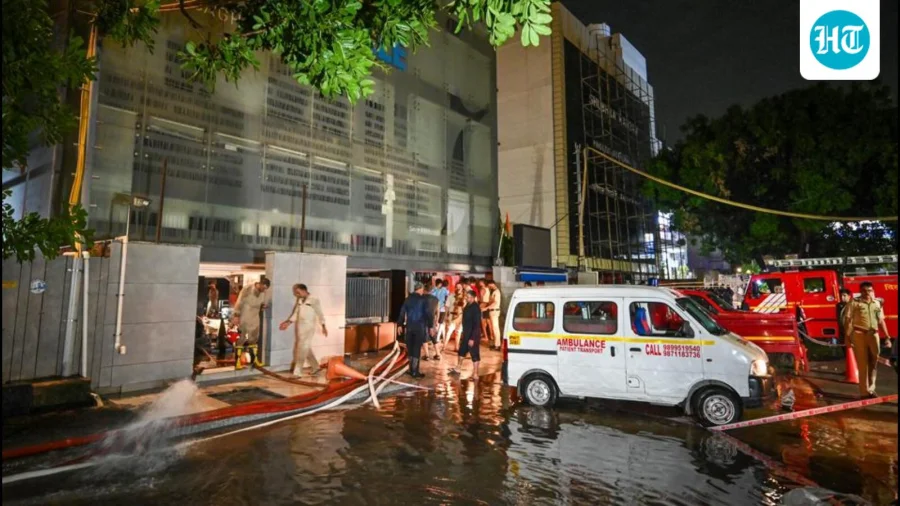
On July 27, 2024, heavy rains caused the basement of Rau’s IAS Coaching Centre to flood rapidly. Three aspirants — Nevin Dalvin, Tanya Soni, and Shreya Yadav — drowned while attempting to escape. The incident sparked widespread outrage, leading to protests by students and demands for accountability. The Delhi Police initially investigated, but the case was later transferred to the CBI following a court order. The MCD had earlier issued notices to the coaching centre for alleged building violations.
Who is affected by the CBI's clean chit?
The families of the deceased aspirants have expressed anguish over the CBI's findings, arguing that it lets senior officials off the hook. For thousands of UPSC aspirants in Delhi, the tragedy remains a stark reminder of the unsafe conditions in many coaching hubs. The case has also raised broader questions about the accountability of civic bodies in regulating building safety in the capital.
Court's response and the CBI's next steps
The court has directed the CBI to file a detailed response clarifying why it did not examine senior MCD officials. It has also asked the agency to explain the scope of its investigation. The CBI is expected to submit its reply on the next hearing date, which is yet to be fixed. Legal experts say the court's intervention signals that the judiciary is not willing to accept a narrow probe.
What the CBI's report means for the case
The CBI's clean chit to senior civic officials does not close the case. The court's questioning suggests that the investigation may be expanded. The agency's focus on the building owner and coaching centre management indicates that it believes the primary liability lies with private actors, not with the MCD's senior leadership. However, the court's pushback could force the CBI to re-examine the role of the civic body's top brass.
Confirmed facts vs what remains unclear in the CBI probe
Confirmed: The CBI has stated no evidence of criminal lapse by senior MCD officials. The court has questioned this finding. The building owner and coaching centre management are under investigation. Unclear: Whether the CBI will now probe senior MCD officials. What specific evidence the CBI relied on to rule out their role. Whether the court will order a wider investigation.
Risks and balanced view of the CBI's findings
The CBI's position has drawn criticism from victim families and activists, who argue that it protects bureaucratic accountability. Supporters of the CBI's approach say that the tragedy was a result of multiple failures, not just by civic officials, and that focusing on the building owner is appropriate. The court's skepticism, however, indicates that the legal process is not yet settled.
Wider pattern of civic negligence in Delhi's coaching hubs
The Old Rajendra Nagar tragedy is not an isolated incident. Several coaching centres in Delhi operate in buildings with questionable safety standards. The MCD has faced repeated criticism for failing to enforce building codes. The case has reignited debates about the need for stricter regulation of coaching centres, which are largely unregulated despite housing thousands of students.
What students and parents should know
For UPSC aspirants and their families, the case underscores the importance of verifying the safety of coaching centre premises. Students are advised to check for fire exits, drainage systems, and building approvals. Parents should demand transparency from coaching centres about safety measures. The Delhi government has announced a task force to inspect coaching centres, but implementation remains slow.
What happens next in the coaching centre deaths case
The court will hear the matter again after the CBI files its response. If the court is not satisfied, it could order a wider investigation into senior MCD officials. The case could also lead to policy changes in how coaching centres are regulated. For the families of the victims, the legal battle continues as they seek justice.
Our Take
The CBI's clean chit to senior civic officials, while legally based on available evidence, risks undermining public trust in accountability mechanisms. The court's intervention is a necessary check to ensure that the investigation is thorough and does not shield those responsible for systemic failures. The tragedy was not just a result of a single rainstorm but of years of regulatory neglect. The case must serve as a catalyst for real reform in how coaching centres are monitored, not just a legal exercise in assigning blame.
Frequently Asked Questions
What did the CBI tell the court about the Delhi coaching centre deaths?
The CBI told the Rouse Avenue Court that its investigation found no evidence of criminal lapse by any senior MCD official in the July 2024 deaths of three UPSC aspirants at Rau's IAS Coaching Centre.
Why is the court questioning the CBI's findings?
The court questioned why the CBI did not examine the role of senior MCD officials, given that the building allegedly lacked proper approvals and the civic body failed to conduct timely inspections.
Who is being held responsible by the CBI for the coaching centre deaths?
The CBI's investigation has focused on the building owner and the management of Rau's IAS Coaching Centre, alleging they failed to ensure proper drainage and safety measures.
What happens next in the coaching centre deaths case?
The court has directed the CBI to file a detailed response on why it did not probe senior MCD officials. The next hearing date is yet to be fixed, and the court may order a wider investigation.