The Congress has launched one of its most aggressive electoral outreach campaigns in recent memory, targeting over 13 crore voters it says were left out of the electoral rolls during the Special Intensive Revision (SIR). The party is calling it a fight against "vote chori" — vote theft — and it plans to take that message to every polling booth in the country.
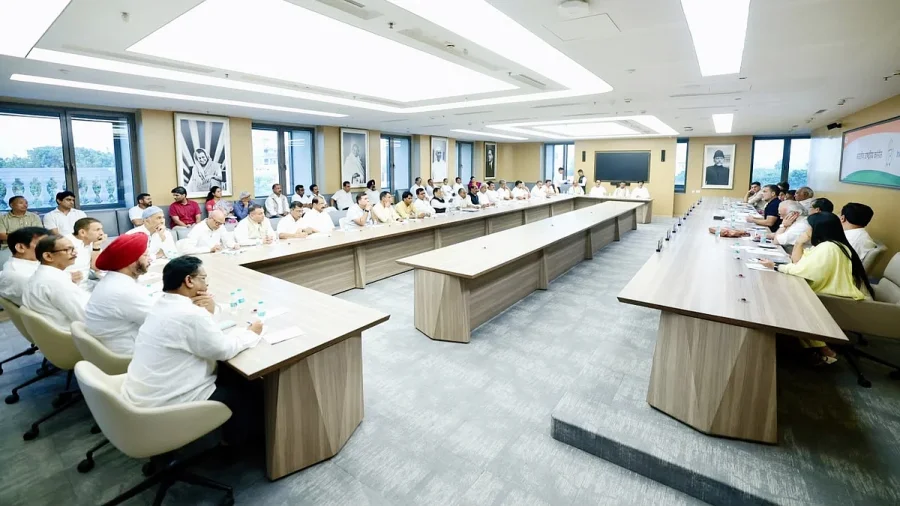
The decision was taken at a high-level meeting chaired by Congress president Mallikarjun Kharge and Lok Sabha Leader of Opposition Rahul Gandhi with Pradesh Congress Committee (PCC) presidents and state in-charges. The campaign will run through November, combining door-to-door outreach, rallies, and protests with INDIA bloc allies.
Why Congress Is Calling It 'Vote Chori' — And Why It Matters
At the heart of the Congress campaign is a simple claim: that millions of eligible voters — disproportionately from marginalised communities — have been quietly removed from the electoral rolls during the SIR process. The party argues this amounts to disenfranchisement on a scale that could alter the outcome of future elections.
The 13 crore figure has become the rallying cry. For the Congress, it is not just a statistic — it is a political weapon. Every voter who finds their name missing from the rolls becomes a potential volunteer, a potential protester, and a potential vote against the ruling dispensation.
What the Election Commission Says — And Where the Numbers Diverge
The Election Commission of India (ECI) has pushed back on the Congress's framing. According to the ECI, the 13 crore figure covers exclusions at the draft stage — not final deletions. The Commission has said that many of these entries were duplicates, dead voters, or permanently shifted electors, and that special drives are underway to re-enrol anyone who was wrongly left out.
The gap between the Congress's "13 crore deleted" and the ECI's "13 crore draft-stage exclusions" is now the central factual dispute of this story. Both sides are using the same number to tell very different stories.
How the Campaign Will Unfold — Booth by Booth, State by State
The Congress's plan is granular. Every polling booth will have a party worker tasked with identifying voters whose names are missing and helping them navigate the re-enrolment process. This is not just protest — it is parallel infrastructure.
Alongside the booth-level work, the party will hold rallies in state capitals and coordinate with INDIA bloc partners for joint protests. The campaign is expected to culminate in a march from Parliament's Makar Dwar, a symbolic location that Congress has used before to signal confrontation with the Centre.
The Human Cost Behind the Numbers
For the voters affected, the SIR process has been anything but abstract. Stories have emerged from across states of elderly citizens, daily-wage workers, and first-time voters discovering their names missing only when they went to vote — or when they tried to apply for a government scheme that required voter ID.
The Congress campaign is betting that these individual stories of exclusion will translate into collective political anger. Whether that bet pays off depends on how many of those 13 crore voters actually re-enrol — and how they vote if they do.
ECI's Re-Enrolment Drive: What It Means for Affected Voters
The Election Commission has directed special drives to re-enrol left-out voters. These drives typically involve extended deadlines, special camps at polling booths, and simplified forms. But the process still requires voters to take action — something that is easier for the educated and the connected, and harder for the poor and the elderly.
This is where the Congress sees an opening. By offering help at the booth level, the party positions itself as the facilitator of re-enrolment — and, by extension, the defender of the voter's right to vote.
Confirmed Facts vs What Remains Unclear
Confirmed: Congress has announced a month-long campaign. The campaign includes booth-level outreach, rallies, and INDIA bloc protests. The ECI has said the 13 crore figure covers draft-stage exclusions and has directed re-enrolment drives.
Unclear: The exact number of final deletions. How many of the 13 crore were duplicate or dead entries. Whether the Congress's outreach will actually help voters re-enrol or primarily serve as political mobilisation. The ECI has not commented on the Congress's specific campaign plans.
Risks and the Balanced View
The Congress campaign carries risks. If the ECI's re-enrolment drives succeed and most affected voters are restored to the rolls, the party's "vote chori" narrative could lose steam. If the campaign is seen as politicising an administrative process, it could invite backlash from the ECI and the ruling party.
There is also the question of whether the Congress can sustain a month-long, booth-level operation across states where its organisational machinery is weak. The party's ability to convert outrage into on-ground action will be tested.
The Wider Pattern: SIR and the Politics of Electoral Rolls
The SIR is not happening in a vacuum. It is part of a broader push by the ECI to clean up electoral rolls — a process that has been welcomed by some as necessary and criticised by others as a tool for disenfranchisement. Similar exercises in the past have led to allegations of targeting minority and opposition-leaning voters.
The Congress campaign is the latest chapter in a long-running debate over who gets to vote in India — and who decides.
What Voters Should Do Now
If you or someone you know has been left out of the electoral rolls, the first step is to check your name on the ECI's voter portal. If your name is missing, you can apply for re-enrolment using Form 6. The ECI's special drives may offer expedited processing. Congress workers will also be available at polling booths to assist with the process.
Do not wait until the next election. Re-enrolment deadlines can be strict, and the process takes time.
Future Outlook
The Congress campaign will run through November, with the Makar Dwar march as a likely focal point. The ECI's re-enrolment drives will continue in parallel. The political temperature is likely to rise as both sides dig in.
The key question is whether the Congress can turn the SIR issue into a lasting electoral narrative — or whether it will fade once the re-enrolment numbers come in.
Our Take
The Congress's campaign is a high-stakes gamble. It is betting that voters left out of the rolls will blame the government — and reward the party that helped them get back on. But the ECI's re-enrolment drive gives the government an off-ramp: if the numbers improve, the "vote chori" charge becomes harder to sustain.
What matters most is not the politics, but the voters. Every name restored to the rolls is a win for democracy — regardless of who gets the credit.
Frequently Asked Questions
What is the Special Intensive Revision (SIR)?
SIR is a process conducted by the Election Commission of India to clean up electoral rolls by removing duplicate, dead, or ineligible entries. It involves house-to-house verification and has been implemented in several states.
Why is Congress calling it "vote chori"?
Congress claims that the SIR has led to the deletion of over 13 crore voters, disproportionately from marginalised communities. The party calls this "vote chori" — vote theft — and argues it is an attempt to disenfranchise opposition-leaning voters.
What does the ECI say about the 13 crore figure?
The ECI says the 13 crore figure covers exclusions at the draft stage, not final deletions. Many of these entries were duplicates, dead voters, or permanently shifted electors. The Commission has directed special drives to re-enrol anyone wrongly left out.
How can I check if my name is on the electoral roll?
You can check your name on the ECI's voter portal (voters.eci.gov.in) or through the Voter Helpline app. If your name is missing, you can apply for re-enrolment using Form 6.
What is the Congress campaign plan?
Congress plans door-to-door outreach at every polling booth, rallies in state capitals, and joint protests with INDIA bloc partners through November. The campaign will culminate in a march from Parliament's Makar Dwar.