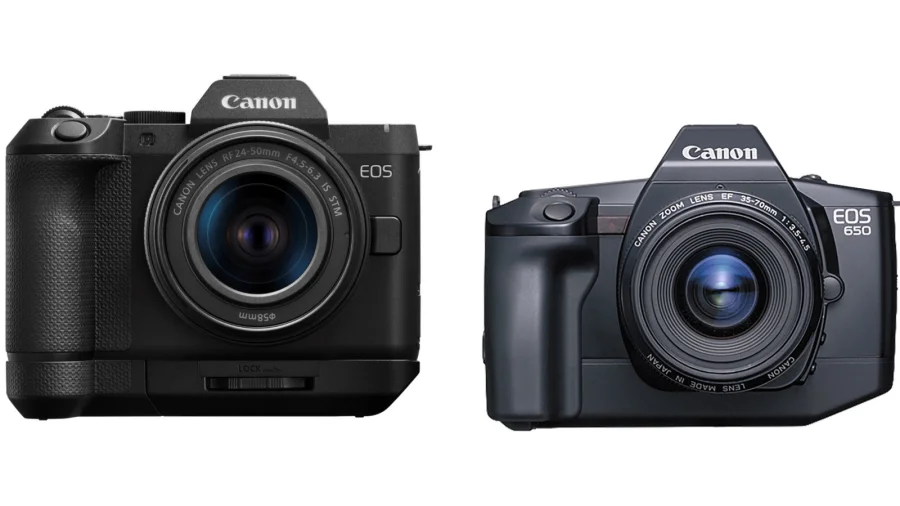
Canon has quietly reminded the photography world that it hasn't abandoned its roots. The company's new R8 II camera borrows its styling from a classic SLR film camera, blending nostalgic design cues with modern full-frame mirrorless technology. For photographers who grew up turning physical dials and hearing the satisfying click of a shutter, this is more than a product update—it's a nod to the tactile joy of shooting.
A Design That Speaks to Photographers, Not Just Content Creators
While Canon has spent recent years courting vloggers with compact, screen-flipping models, the R8 II takes a different path. Its body appears to echo the angular lines, textured grip, and control layout of vintage SLR cameras. That's a deliberate choice. In a market flooded with minimalist, touchscreen-dependent bodies, the R8 II suggests Canon is listening to still photographers who miss the feel of a real camera in their hands.
Why Retro Styling Still Matters in a Mirrorless World
Retro design isn't just about looks. It signals a camera built for deliberate shooting—where aperture, shutter speed, and ISO are adjusted by feel, not menus. For enthusiasts tired of diving into digital interfaces, the R8 II's SLR-inspired layout could offer a more intuitive, focused experience. It also positions the camera as a lifestyle object, not just a tool, which matters in a market where smartphones have made casual photography effortless.
How Canon's Full-Frame Strategy Is Evolving
Canon's full-frame lineup has long balanced innovation with tradition. The R8 II follows a pattern: introduce modern internals while respecting the ergonomics that made the original EOS film cameras legendary. This isn't the first time Canon has leaned into nostalgia—but it may be the most explicit attempt to bridge its film heritage with its mirrorless future. The move also differentiates the R8 II from Canon's more video-centric models, giving still photographers a clear reason to choose it.
Who Will Actually Buy the R8 II?
The R8 II isn't aimed at beginners. Its appeal lies with hobbyists who learned on film, professionals seeking a second body with familiar controls, and younger photographers drawn to the analog aesthetic. For them, the camera isn't just about megapixels—it's about the experience of shooting. That emotional connection can be a powerful sales driver, especially as smartphone cameras become technically excellent but emotionally sterile.
What Canon Has Confirmed—and What It Hasn't
Canon has acknowledged the R8 II's existence and its retro design inspiration, but full specifications, pricing, and availability remain under wraps. The company hasn't detailed sensor resolution, autofocus capabilities, or video features. Until those details emerge, the R8 II's success will depend on whether its performance matches its promise. Retro looks alone won't satisfy photographers if the internals don't deliver.
Confirmed Facts vs What Remains Unclear
Confirmed: The Canon R8 II exists, features full-frame mirrorless technology, and draws design inspiration from classic SLR film cameras. Unclear: Exact pricing, release date, sensor specs, video capabilities, and whether the retro design extends to interchangeable accessories. Canon has not commented on whether the R8 II will replace or complement the existing R8 model.
Canon's Moat: Heritage, Ecosystem, and Trust
Canon's greatest advantage isn't just its technology—it's its history. Decades of film and digital cameras have built a loyal user base deeply familiar with the brand's ergonomics. The R8 II leverages that trust. By tapping into its SLR legacy, Canon reminds photographers that it understands where they came from, even as it pushes them toward the future. That emotional resonance is something newer camera brands struggle to replicate.
Risks and Balanced View
Retro design can backfire if it feels gimmicky or compromises modern usability. Some photographers may prefer lighter, more compact bodies over vintage-inspired bulk. Others might question whether the R8 II offers enough technical upgrades to justify a purchase. Canon also faces stiff competition from brands like Fujifilm and Nikon, which have long embraced retro aesthetics with strong results. The R8 II will need more than nostalgia to stand out.
The Bigger Trend: Nostalgia as a Selling Point
The R8 II is part of a broader shift. From film simulations to manual dials, camera makers are rediscovering the appeal of analog-inspired design. In an era of AI-driven photography, many shooters crave control and authenticity. Canon's move suggests it sees this trend not as a fad, but as a lasting market segment. If successful, the R8 II could influence how other brands approach their own full-frame lineups.
What Photographers Should Do Now
If you're intrigued by the R8 II, hold off on pre-orders until full specs are available. Compare its features against your current camera and consider whether the retro design genuinely improves your workflow or is simply aesthetic. For those invested in Canon's ecosystem, the R8 II could be a compelling addition—but only if it delivers on performance, not just style.
Future Outlook
Canon is expected to reveal more details about the R8 II in the coming months. Pricing will be critical: too high, and it risks alienating enthusiasts; too low, and it may cannibalize existing models. If Canon gets the balance right, the R8 II could become a flagship for photographers who want modern tech wrapped in a familiar, tactile package.
Our Take
The Canon R8 II is a smart, emotionally intelligent move. By borrowing from its SLR heritage, Canon isn't just selling a camera—it's selling a feeling. In a market where specs often blur together, design and experience can be the deciding factor. The R8 II won't appeal to everyone, but for photographers who miss the soul of film shooting, it's a promising step back to the future.
Frequently Asked Questions
What is the Canon R8 II?
The Canon R8 II is a full-frame mirrorless camera that features a design inspired by classic SLR film cameras, blending retro aesthetics with modern technology.
Is the Canon R8 II a film camera?
No. The R8 II is a digital mirrorless camera. Its styling borrows from film SLRs, but it uses modern digital sensors and electronics.
When will the Canon R8 II be released?
Canon has not yet announced an official release date or pricing. More details are expected in the coming weeks.
Who is the Canon R8 II for?
It's aimed at photography enthusiasts, professionals, and anyone who values tactile controls and a nostalgic shooting experience.