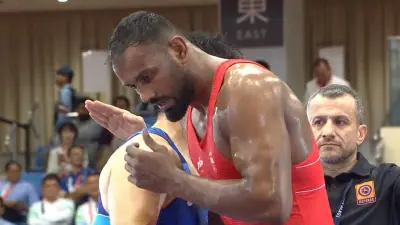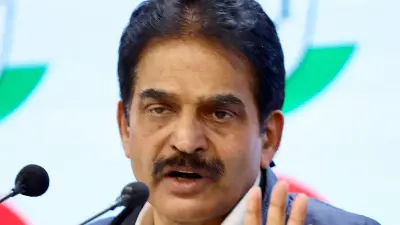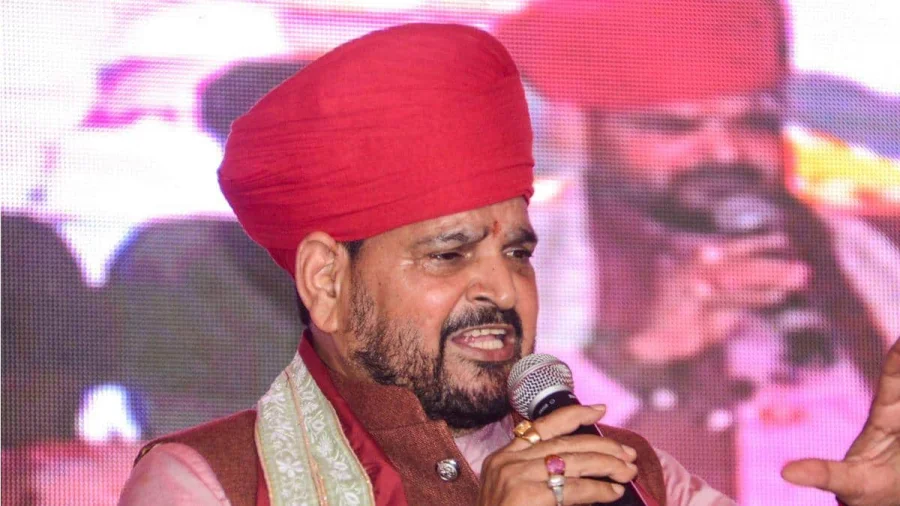
The legal saga that gripped Indian sports for over a year reached a dramatic conclusion on Monday. Delhi's Rouse Avenue Court acquitted former Wrestling Federation of India (WFI) president Brij Bhushan Sharan Singh in the sexual harassment case filed by women wrestlers. Former WFI assistant secretary Vinod Tomar was also cleared of all charges in the same case.
Verdict Delivered: Court Clears Former WFI Chief and Assistant Secretary
The court's decision brings the criminal proceedings against both accused to a close. This marks the end of a legal battle that saw top Indian wrestlers, including Olympic medallists, protest on the streets of the capital demanding action against Singh.
The acquittal comes after a prolonged trial process. The women wrestlers had accused Singh of sexual harassment and intimidation during his tenure as the head of the national wrestling body.
Why This Verdict Matters Beyond the Courtroom
This case was never just about two individuals. It became a watershed moment for India's sports administration and the #MeToo movement within the country's athletic community. The allegations sparked nationwide protests at Jantar Mantar, with wrestlers threatening to immerse their medals in the Ganges.
The verdict raises significant questions about accountability in sports federations. For the wrestlers who came forward, this outcome represents a deeply personal setback after months of public campaigning and legal pursuit.
Timeline: From Protest to Acquittal
The case originated in early 2023 when seven women wrestlers, including international medal winners, filed complaints against Singh. The allegations included sexual harassment, stalking, and criminal intimidation.
Following the complaints, the Delhi Police registered an FIR against Singh. The wrestlers' protest at Jantar Mantar in April 2023 drew national attention, forcing the government to intervene and promise a thorough investigation.
The trial proceeded through 2024, with both prosecution and defence presenting their arguments before the Rouse Avenue Court.
Human Impact: The Wrestlers Who Spoke Out
The women wrestlers who filed the complaints put their careers and personal safety at risk by coming forward. They faced counter-protests, alleged intimidation, and significant personal toll during the legal process.
Their courage inspired conversations about safety and governance in Indian sports. Regardless of the legal outcome, their decision to speak publicly has permanently altered how harassment complaints are addressed in athletic institutions.
Court's Decision and Legal Reasoning
The court acquitted both Singh and Tomar, citing the prosecution's failure to establish the charges beyond reasonable doubt. The detailed judgment is expected to provide specific observations on the evidence presented during the trial.
Legal experts note that acquittals in such cases often hinge on the credibility of witnesses and the consistency of testimony. The full judgment copy will offer clarity on the court's reasoning.
Analysis: What This Means for Sports Governance in India
The acquittal does not erase the systemic issues that the case exposed. Questions about the autonomy of sports federations, the protection available to athletes, and the mechanisms for grievance redressal remain unresolved.
Sports administrators and policymakers will need to examine whether the legal outcome changes the imperative for institutional reform. The case has already prompted changes in WFI leadership and renewed calls for athlete-centric governance.
Confirmed Facts vs What Remains Unclear
Confirmed: The Rouse Avenue Court acquitted Brij Bhushan Singh and Vinod Tomar on Monday. Criminal proceedings against both have concluded.
Unclear: The specific reasoning of the court will only be known once the full judgment is made available. Whether the wrestlers will appeal the verdict remains an open question.
Speculation: Some legal observers suggest the acquittal could face challenge in a higher court. This remains unconfirmed and speculative at this stage.
Risks and Balanced View
Supporters of the accused have maintained that the charges were politically motivated and lacked substantive evidence. They point to the acquittal as vindication of that position.
Critics and supporters of the wrestlers argue that the outcome may discourage other athletes from coming forward with complaints. The fear of legal consequences and public scrutiny could create a chilling effect.
The truth likely lies in the details of the judgment, which will be scrutinised by all stakeholders in the coming days.
Wider Pattern: Accountability in Indian Sports Federations
This case is part of a broader conversation about the governance of sports bodies in India. From the Indian Olympic Association to various national federations, questions of transparency, athlete welfare, and leadership accountability have repeatedly surfaced.
The verdict may influence how future complaints against sports administrators are pursued and how federations approach internal governance reforms.
Practical Guidance: What Athletes and Stakeholders Should Know
For athletes considering filing complaints against sports administrators, this case highlights the importance of documented evidence and legal preparation. The outcome underscores that allegations alone, without corroborating proof, may not lead to conviction.
Sports bodies should use this moment to strengthen internal complaint mechanisms and ensure that athletes have safe, confidential channels to report concerns.
Future Outlook: Appeals and Institutional Change
The possibility of an appeal by the complainants remains. Legal proceedings could continue if the wrestlers choose to challenge the acquittal in a higher court.
Beyond the courtroom, the case has already catalysed discussions about athlete protection. Whether that momentum translates into lasting structural change will depend on the actions of sports administrators and policymakers in the months ahead.
Our Take
This acquittal is a legal outcome, but the story it closes is far more complex. The wrestlers who spoke out did so at great personal cost, and their courage has already changed the conversation around athlete safety in India. The court has spoken on the evidence presented, but the broader questions about institutional accountability remain open. For Indian sports, the real test lies in whether this verdict becomes a reason for reform or a reason for silence.
Frequently Asked Questions
Who is Brij Bhushan Singh?
Brij Bhushan Sharan Singh is a former president of the Wrestling Federation of India (WFI) and a Member of Parliament. He was accused of sexual harassment by women wrestlers in 2023.
What was the verdict in the wrestlers' sexual harassment case?
Delhi's Rouse Avenue Court acquitted Brij Bhushan Singh and former WFI assistant secretary Vinod Tomar of all charges in the sexual harassment case filed by women wrestlers.
What happens next after the acquittal?
The complainants may choose to appeal the verdict in a higher court. The full judgment copy will provide detailed reasoning, and stakeholders will review its implications for sports governance.
Why did the wrestlers protest in 2023?
Women wrestlers, including Olympic medallists, protested at Jantar Mantar demanding action against Brij Bhushan Singh over allegations of sexual harassment and intimidation during his tenure as WFI president.