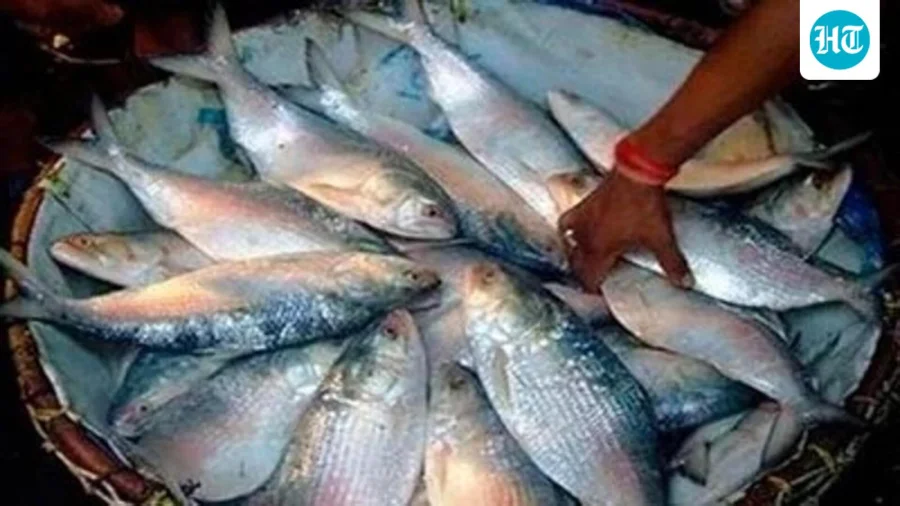
For fish lovers in West Bengal, Durga Puja is incomplete without Padma Hilsa — the prized silver fish that arrives from Bangladesh every autumn. This year, that tradition is under threat.
Bangladesh has stopped importing Hilsa from India and Myanmar, according to the original report. The move has triggered concerns that Dhaka may also block Hilsa exports to India ahead of the festival season, leaving traders and consumers uncertain about supply.
A Sudden Halt in a Long-Standing Trade
The decision to stop importing Hilsa from India and Myanmar marks a sharp shift in a trade that has quietly linked the two neighbours for years. Bangladesh, which produces the bulk of the world's Hilsa, has historically allowed limited exports to India as a goodwill gesture during Durga Puja.
This year, that gesture appears to be in question. The import halt is the first concrete signal that Dhaka may be rethinking the flow of the fish across its borders.
Why Durga Puja Makes This Decision So Sensitive
Hilsa is not just a fish in Bengal — it is a cultural marker of the festival. During Durga Puja, demand for Padma Hilsa in Kolkata and other parts of West Bengal spikes sharply, and prices often double.
If exports from Bangladesh are blocked, the impact will be felt directly in fish markets. Consumers could face higher prices or limited availability, while traders who depend on the seasonal supply chain may see losses.
How the Hilsa Trade Has Worked So Far
Bangladesh has allowed Hilsa exports to India on a limited basis in recent years, typically timed around Durga Puja. The arrangement has been viewed as a confidence-building measure between the two countries.
At the same time, Bangladesh has also imported Hilsa from India and Myanmar to meet domestic demand during certain periods. The current halt on imports suggests a broader reassessment of that trade.
Who Stands to Lose If Exports Stop
The immediate losers would be fish traders in West Bengal who rely on Bangladeshi Hilsa for the festival rush. Restaurants and households that plan their Durga Puja menus around the fish would also be affected.
In Bangladesh, exporters who have benefited from the Indian market could see a drop in revenue. The halt on imports may also affect Indian fishermen and traders who sell to Bangladesh.
No Official Word Yet From Either Side
As of now, there is no confirmed official statement from Bangladesh or Indian authorities on the export decision. The original report does not include comments from government officials or trade bodies.
This lack of clarity is itself a concern. Traders on both sides are working with incomplete information, and the situation could change quickly depending on diplomatic and administrative decisions.
What the Import Halt Really Signals
Stopping imports is a different move from stopping exports, but the two are often linked in trade policy. By halting imports, Bangladesh may be signalling a more protectionist stance on Hilsa — one that could extend to exports as well.
It is also possible that the import halt is a temporary measure tied to domestic supply or pricing. Without official confirmation, both scenarios remain open.
Confirmed Facts vs What Remains Unclear
Confirmed: Bangladesh has stopped importing Hilsa from India and Myanmar, per the original report.
Unclear: Whether Bangladesh will allow Hilsa exports to India before Durga Puja. No official announcement has been made. The duration of the import halt is also unknown.
Speculation: Any suggestion that the export ban is certain would be premature. The situation is still developing.
Risks and Balanced View
For Bangladesh, restricting Hilsa trade could be a way to protect domestic supply and prices. Hilsa is a national fish and a key source of protein and livelihood.
But cutting off exports to India also carries risks. It could strain trade ties and reduce income for Bangladeshi exporters. For India, the risk is consumer backlash and market disruption during a high-demand festival.
A Wider Pattern of Trade Friction
This is not the first time Hilsa has been at the centre of India-Bangladesh trade tensions. In past years, export decisions have been delayed or limited, often tied to political and economic factors.
The current halt fits into a broader pattern where seasonal trade becomes a bargaining chip. It also reflects how even small trade decisions can have outsized cultural and emotional impact.
What Readers and Traders Should Do Now
For consumers in West Bengal, it is too early to panic. The export decision has not been confirmed. But it may be wise to keep an eye on official announcements and market prices.
Traders should avoid overcommitting to Hilsa supply until there is clarity from Dhaka. Diversifying sourcing and informing customers about potential shortages could help manage expectations.
What Could Happen Next
Bangladesh could allow limited exports as a goodwill gesture, as it has in the past. Or it could hold firm and prioritise domestic supply. Much depends on internal assessments and bilateral discussions.
An official statement from either government would bring much-needed clarity. Until then, the Hilsa trade remains in limbo.
Our Take
This story is a reminder of how deeply food, culture, and diplomacy are intertwined in South Asia. A fish that symbolises celebration for millions in Bengal is also a commodity that governments can use to send signals.
Whether this is a temporary pause or a longer shift, the uncertainty itself is damaging. Clear communication from both sides would help traders and consumers plan better — and preserve a tradition that matters far beyond the fish market.
Frequently Asked Questions
Has Bangladesh officially banned Hilsa exports to India?
No official ban has been confirmed. Bangladesh has stopped importing Hilsa from India and Myanmar, and there are concerns it may not export to India before Durga Puja. But no formal export ban has been announced.
Why is Hilsa so important during Durga Puja in West Bengal?
Hilsa, especially Padma Hilsa from Bangladesh, is considered a delicacy and a festive staple during Durga Puja. Demand spikes sharply, and the fish is often gifted and served at celebratory meals.
Will Hilsa prices in India rise if exports stop?
If Bangladeshi Hilsa is not available, prices in West Bengal markets could rise due to limited supply. Domestic Hilsa may partially fill the gap, but it is often seen as a different quality.
What should traders do while waiting for clarity?
Traders should avoid overcommitting to Hilsa supply and keep customers informed about potential shortages. Monitoring official announcements from Bangladesh and India is key.