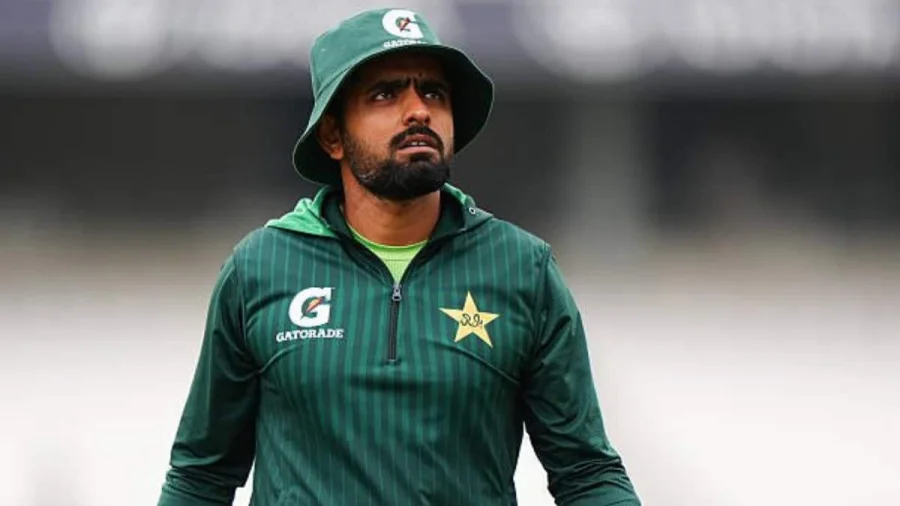
The question is now unavoidable in Pakistan cricket: is Babar Azam the next target? After a chaotic England Test tour that saw seven players sent home and two coaches removed, the spotlight has shifted from the dressing room to the man who once led it.
Pakistan's England Tour Overhaul Sends Shockwaves Through Team
Pakistan's dramatic restructuring during their England Test series has left the cricket world watching closely. The Pakistan Cricket Board (PCB) released seven players from the touring squad after Pakistan's second consecutive heavy defeat against England.
Head coach Sarfaraz Ahmed and bowling coach Umar Gul were also removed from their roles ahead of the third Test. The scale and timing of the move — mid-series, overseas — is highly unusual for a national setup.
Why Rashid Latif's Challenge Matters for Babar Azam's Future
Former Pakistan captain Rashid Latif has now publicly questioned the PCB's decision-making. In a post on X, Latif challenged why Sarfaraz and Gul were sent home if important team decisions were effectively being controlled from outside the dressing room.
His pointed question cuts to the heart of the matter: if coaches are being removed for poor results, but selections are being influenced externally, who is actually accountable? And if accountability is being demanded, can Babar Azam — Pakistan's most high-profile player — remain untouched?
How Pakistan's England Tour Unravelled
The tour began with cautious optimism. Pakistan were playing on home soil against a strong England side, and expectations were high after competitive performances in recent series.
But back-to-back heavy defeats exposed deep problems. Batting collapses, bowling inconsistencies, and questionable tactical decisions piled pressure on the management. The PCB's response was swift and severe — a mass culling of the squad and coaching staff mid-tour.
What This Means for Pakistan's Senior Players
For the players who remain, the message is clear: performance is non-negotiable. But for Babar Azam, the situation is more complex. He is not just a player — he is the face of Pakistan cricket, a former captain in all formats, and the team's most valuable batting asset.
The PCB's willingness to make bold, disruptive changes suggests no one is untouchable. If the board believes Babar's presence or leadership is part of the problem, the consequences could be significant.
PCB's Official Position and the Dressing Room Question
The PCB has not publicly commented on Babar Azam's future. However, the board's actions speak volumes about its current mindset. Removing a head coach and bowling coach mid-series is not a move of patience — it is a move of urgency.
Latif's criticism highlights a deeper concern: if decisions are being made outside the dressing room, then removing coaches and players may be treating symptoms rather than the cause. This raises uncomfortable questions about who truly runs Pakistan cricket.
Analysing the Real Power Struggle in Pakistan Cricket
The deeper issue here is not just about results — it is about control. Pakistan cricket has long been marked by tension between the board, team management, and senior players. This overhaul appears to be a power play as much as a performance review.
If the PCB is centralising decision-making, then Babar Azam's role becomes politically significant. A senior player with captaincy experience and massive public following represents a power centre that a restructuring board may want to manage carefully.
What Is Confirmed vs What Remains Unclear
What is confirmed: seven players were released, Sarfaraz Ahmed and Umar Gul were removed, and Rashid Latif has publicly questioned the PCB's logic. These are facts on the record.
What remains unclear: whether Babar Azam's position is under direct threat, whether the PCB plans further changes after the England series, and who exactly is making the final decisions. All speculation about Babar's future should be treated as exactly that — speculation — until the PCB makes an official statement.
Why Pakistan's Captaincy Question Keeps Returning
Babar Azam's leadership has been a recurring topic of debate. He stepped down from captaincy across formats after Pakistan's early exit from the 2023 ODI World Cup, only to be reappointed as white-ball captain later. The back-and-forth reflects a board that has not settled on a clear vision.
This instability is not new. Pakistan has cycled through captains and coaches at a rapid pace over the past decade, often with little continuity. The current overhaul fits a familiar pattern of crisis-driven change.
Risks of Another Sudden Leadership Change
Critics of the overhaul argue that constant disruption harms team morale and development. Removing players and coaches mid-tour can create uncertainty and fear, which rarely brings out the best in athletes.
Supporters of the PCB's approach say tough decisions are necessary to build a winning culture. They point to Pakistan's inconsistent performances and argue that accountability has been missing for too long.
The Bigger Pattern Behind Pakistan's Cricket Instability
This is not an isolated incident. Pakistan cricket has experienced repeated cycles of overhaul — new captains, new coaches, new selection committees — often after disappointing results. The pattern suggests a structural problem rather than a personnel problem.
Until the PCB addresses the underlying issues of decision-making clarity, talent development, and long-term planning, these cycles are likely to continue regardless of who holds the captaincy.
What Fans and Players Should Watch For Next
For fans, the immediate focus should be on the third Test against England and how the reshaped squad performs. For players, the message is straightforward: performances will determine futures.
For Babar Azam, the coming weeks are critical. His performances in the remainder of the series and any subsequent white-ball matches will likely shape the PCB's thinking. Public statements from the board about his role will be the clearest signal of what lies ahead.
Future Outlook: What Happens After the England Series
The most likely scenario is that the PCB will wait until the series concludes before making any further announcements. A full review of the tour is expected, and that review could extend to captaincy decisions.
If Pakistan performs well in the third Test, the pressure may ease. If they lose again, the calls for deeper changes — potentially including Babar Azam's position — will only grow louder.
Our Take
This story is about more than one player or one series. It is about the governance of Pakistan cricket and the recurring pattern of crisis-driven decision-making. Rashid Latif's question deserves serious consideration: if decisions are being made outside the dressing room, then removing coaches and players may be symbolic rather than substantive.
Babar Azam's future is genuinely uncertain, but the deeper uncertainty is about who actually controls Pakistan cricket and whether the board has a coherent long-term plan. Until those questions are answered, the cycle of overhaul and instability is likely to continue.
Frequently Asked Questions
Is Babar Azam being removed from the Pakistan team?
There has been no official announcement about Babar Azam's removal. The PCB has released seven players and two coaches during the England Test tour, but Babar remains part of the setup. His future is currently a subject of speculation, not confirmed change.
Why did Pakistan release seven players during the England Test series?
The Pakistan Cricket Board released seven players after Pakistan suffered a second heavy defeat against England. The move was part of a squad overhaul aimed at addressing poor performances. Head coach Sarfaraz Ahmed and bowling coach Umar Gul were also removed from their roles.
What did Rashid Latif say about the PCB's decision?
Former Pakistan captain Rashid Latif questioned the PCB's decision-making on X. He asked why Sarfaraz Ahmed and Umar Gul were sent home if important team decisions were being controlled from outside the dressing room, implying the coaching staff were not the real problem.
Could Babar Azam be the next player removed by the PCB?
It is too early to say. The PCB has not indicated any plans to remove Babar Azam. However, the board's willingness to make bold changes during the England tour has led to speculation that no player is untouchable if results do not improve.