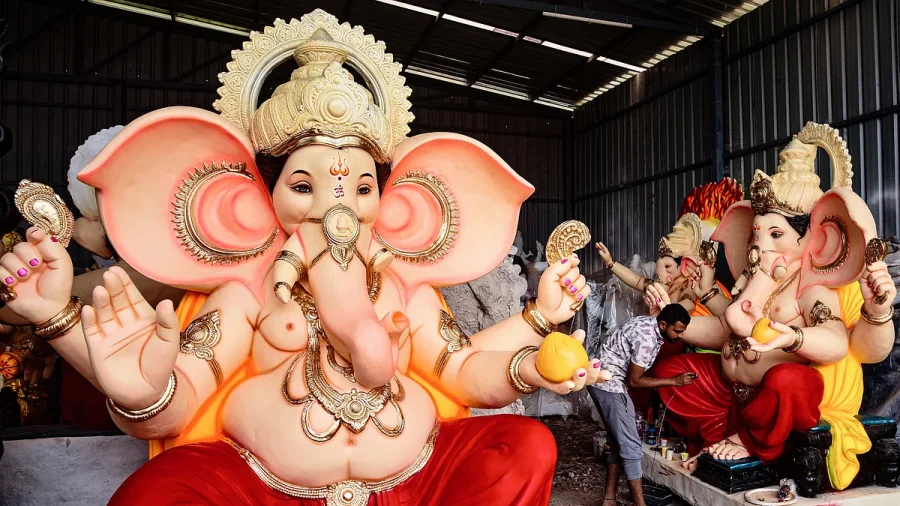
The thunderous beat of DJ speakers has become a familiar—and for many, unwelcome—soundtrack of Ganeshotsav in Maharashtra. But a quiet revolution is underway. From the streets of Solapur to the neighborhoods of Pune, a rising movement is asking a simple question: Can faith be celebrated without the deafening noise?
Solapur’s Bold Civic Stand for a Peaceful Ganeshotsav
Solapur, historically revered as the 'City of Martyrs' for its role in India’s freedom struggle, has added a new chapter to its legacy. Last year, the city declared a 'DJ-free Ganeshotsav,' setting a powerful precedent for the state. What makes this initiative remarkable is its origin—it was not imposed by authorities but fostered by the conscious efforts of citizens who wanted to celebrate faith respectfully.
Why the Movement Is Resonating in Pune
As the discourse around noise pollution and public decorum grows, Pune is emerging as the next battleground for this cultural shift. Residents and community groups are increasingly questioning the need for aggressive slogans and ostentatious processions that overshadow the true spirit of devotion. The movement taps into a growing fatigue with festivals becoming platforms for displaying power and dominance in public spaces.
The Cultural Shift: Reclaiming Faith from the Chaos
Traditionally, Ganeshotsav has been an expression of faith and community bonding. However, in recent decades, loud music and competitive displays have often alienated the elderly, sick, and young children, disturbing entire communities. The push for a DJ-free celebration is fundamentally about restoring balance—ensuring that the festival remains inclusive and spiritually meaningful for everyone, not just the loudest voices.
How Citizens Are Driving the Change
The Solapur model is a testament to the power of community consensus. Instead of waiting for legal mandates, local mandals and resident associations are voluntarily agreeing to limit sound levels and focus on traditional music like lezim and devotional bhajans. This ground-up approach is what makes the movement sustainable and difficult to dismiss as mere administrative heavy-handedness.
Voices of Support and the Road Ahead
While official statements are still emerging, the sentiment among proponents is clear: a festival of faith should not be a test of endurance. Civic leaders and social workers in Pune are now citing Solapur’s example as a blueprint. The conversation is shifting from "how loud can we be" to "how harmonious can our celebration be."
Analyzing the Deeper Meaning of the DJ-Free Push
This movement is less about banning technology and more about redefining public behavior. It reflects a maturing civic consciousness where the right to celebrate does not infringe upon the right to peace. It challenges the notion that louder equals more devout, suggesting instead that introspection and community warmth are the true markers of a successful Ganeshotsav.
Confirmed Facts vs What Remains Unclear
Confirmed: Solapur declared a DJ-free Ganeshotsav last year through citizen-led efforts. Unclear: The specific enforcement mechanisms, the exact scale of participation in Pune, and any formal policy proposals that may emerge from this movement. These details are still developing as the story unfolds.
Risks and the Balanced View
Not everyone is on board. Critics argue that music is an integral part of public celebration and that restricting DJs could dampen the enthusiasm of younger generations. There are also concerns about the economic impact on local sound system vendors and event organizers who depend on the festival season for their livelihood. Proponents counter that creativity can flourish within boundaries, and that traditional instruments can be equally energetic.
A Wider Trend of Conscious Celebrations
The DJ-free Ganeshotsav movement is part of a broader societal shift towards mindful living. From bans on single-use plastics during festivals to calls for eco-friendly idols, urban India is increasingly seeking ways to align tradition with sustainability and social responsibility. The noise issue is the latest frontier in this ongoing cultural recalibration.
What Devotees and Mandals Should Consider
For mandals in Pune and elsewhere looking to join this movement, the first step is dialogue. Engaging with senior citizens, local residents, and health professionals can build a consensus on acceptable sound levels. Exploring traditional music options and scheduling processions to end at a reasonable hour can help maintain the festive spirit while respecting the community.
Future Outlook: Will the Silence Spread?
If Solapur’s success is any indication, the movement has significant momentum. As more cities observe the benefits—fewer complaints, greater participation from families, and a more serene atmosphere—the pressure on other urban centers to follow suit will likely increase. The coming Ganesh Chaturthi season will be a crucial test of whether this citizen-led initiative can become a statewide norm.
Our Take
The movement for a DJ-free Ganeshotsav is a profound statement about what we value in our public life. It is not an attack on celebration, but a plea for inclusion. In a world that is increasingly loud, the choice to be quiet can be the most powerful form of devotion. Solapur has shown the way; it is now up to Pune and the rest of Maharashtra to decide if they are ready to listen.
Frequently Asked Questions
What is the DJ-free Ganeshotsav movement?
It is a citizen-led initiative in Maharashtra, starting in Solapur, that encourages Ganesh Chaturthi celebrations without loud DJ music, focusing instead on traditional and peaceful forms of devotion.
Why is Solapur significant in this movement?
Solapur, known as the 'City of Martyrs,' became the first major city in Maharashtra to declare a DJ-free Ganeshotsav last year, setting a precedent for other cities like Pune.
Is the DJ ban mandatory in Solapur?
No, the initiative was not imposed by authorities. It was fostered by the conscious efforts of citizens and local mandals who voluntarily agreed to celebrate without loud DJ music.
How can Pune mandals participate in a DJ-free Ganeshotsav?
Mandals can start by holding community dialogues to build consensus, opting for traditional music like lezim or bhajans, and ensuring processions conclude at a reasonable hour to respect all residents.