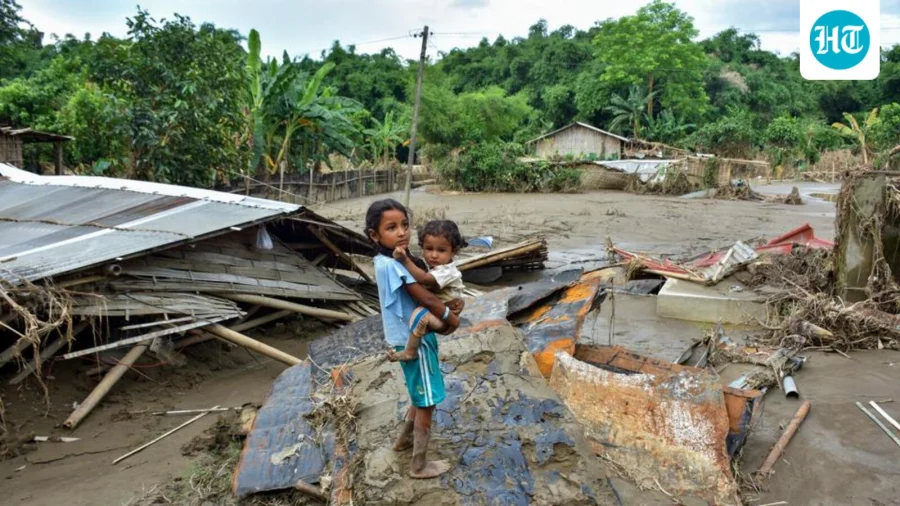
The waters are finally receding in Assam, but for thousands of families the hardest part is just beginning. As the state's flood death toll climbs to 82, Chief Minister Himanta Biswa Sarma has made one thing clear — rehabilitation is now the top priority.
CM Sarma's Announcement: A Shift from Rescue to Recovery
In a statement that signals a turning point in Assam's flood response, CM Sarma said flood-hit families are returning to their homes as the government rolls out a time-bound rehabilitation plan. The announcement marks a critical transition from emergency rescue operations to the long, painstaking work of rebuilding lives and livelihoods.
The Chief Minister's emphasis on a structured, time-bound approach suggests the administration is aware that the end of the flood crisis does not mean the end of suffering for affected communities.
Why the Rehabilitation Plan Matters for Assam's Flood Victims
For the families who lost homes, crops, and cattle to the deluge, returning to their villages is only the first step. The rehabilitation plan will determine whether they can rebuild their lives or remain trapped in a cycle of recovery that lasts until the next flood season.
Assam's geography makes it one of India's most flood-prone states, with the Brahmaputra and its tributaries breaching embankments almost every monsoon. This year's toll of 82 deaths underscores the recurring human cost of these annual disasters.
The Rising Toll: Understanding the 82 Deaths
The death toll of 82 reflects the severity of this year's floods, which have affected lakhs of people across multiple districts. While the situation is now improving, the human cost continues to mount as reports of casualties from different parts of the state are consolidated.
Officials have not yet provided a district-wise breakdown of the deaths, but the figure represents both drowning incidents and deaths caused by flood-related incidents such as house collapses, snake bites, and electrocution.
What Returning Home Means for Flood-Hit Families
For many families, returning home is a bittersweet moment. The relief of finding their houses still standing is often overshadowed by the damage to belongings, stored grain, and agricultural land. The government's rehabilitation plan will need to address not just housing but also livelihood restoration, particularly for farmers who have lost their standing crops.
The emotional toll is equally significant. Families that spent weeks in relief camps or on higher ground now face the task of cleaning mud-filled homes and restarting their lives from near zero.
Government's Time-Bound Approach: What It Promises
CM Sarma's commitment to a time-bound rehabilitation plan signals an attempt to bring accountability and urgency to the recovery process. The approach suggests the government is setting specific timelines for delivering aid, rebuilding infrastructure, and restoring essential services in affected areas.
While the full details of the plan have not been disclosed, the Chief Minister's statement indicates that the state machinery is now focused on ensuring that displaced families can resume normal life as quickly as possible.
Assam's Flood Pattern: A Recurring Crisis
This year's floods are part of a devastating pattern for Assam, which experiences severe inundation almost every monsoon season. The Brahmaputra river, one of the world's largest, carries enormous volumes of water and sediment from the Himalayas, making the state particularly vulnerable to flooding.
Climate experts have warned that changing weather patterns could make such floods more frequent and more intense, putting greater pressure on the state's disaster management and rehabilitation systems.
Confirmed Facts vs What Remains Unclear
Confirmed: CM Sarma has stated that rehabilitation is the top priority and that families are returning home. The death toll has reached 82. A time-bound rehabilitation plan is being implemented.
Unclear: The specific districts most affected, the total number of families still in relief camps, the financial package for rehabilitation, and the timeline for completing the recovery process have not been disclosed in the available information.
Risks and Challenges in the Rehabilitation Phase
The rehabilitation phase brings its own set of challenges. There are concerns about the adequacy of compensation for lost property and crops, the speed of infrastructure repair, and the risk of disease outbreaks in waterlogged areas.
Past flood seasons have shown that the recovery phase can be as difficult as the crisis itself, with delays in aid distribution and disputes over damage assessment adding to the misery of affected families.
The Broader Pattern: Floods Across Northeast India
Assam's flood crisis is not isolated. Neighbouring states in the Northeast have also faced severe flooding this monsoon season, highlighting the regional nature of the problem. The Brahmaputra basin, shared by multiple states, requires coordinated management to mitigate the impact of annual floods.
The recurring nature of these disasters raises questions about long-term solutions, including better embankment maintenance, flood forecasting, and sustainable land-use planning in flood-prone areas.
What Flood-Affected Families Should Do Now
Families returning to their homes should first ensure that their houses are structurally safe before moving back in. They should also be alert to the risk of waterborne diseases and take precautions with drinking water and food storage.
Affected families should register their losses with local authorities to ensure they receive the compensation and assistance they are entitled to under the government's rehabilitation plan.
Future Outlook: What Happens Next in Assam's Recovery
The coming weeks will be critical for Assam's recovery. The government's ability to deliver on its time-bound rehabilitation promise will be tested as families seek to rebuild their lives before the next monsoon season.
While the immediate crisis may be passing, the long-term challenge of making Assam's flood-prone regions more resilient remains. The state's experience this year will likely inform future disaster management policies and investment in flood mitigation infrastructure.
Our Take
The shift from rescue to rehabilitation is a welcome sign that Assam's administration is thinking beyond the immediate crisis. However, the true test lies in execution — whether the time-bound plan translates into timely compensation, restored livelihoods, and rebuilt infrastructure for the families who have lost so much.
For the 82 families who lost loved ones, no rehabilitation plan can undo the loss. But for the thousands who survived, the speed and fairness of the recovery process will determine whether they can look to the future with hope or fear.
Frequently Asked Questions
What is the current flood death toll in Assam?
The flood death toll in Assam has risen to 82, according to Chief Minister Himanta Biswa Sarma's statement on the improving flood situation.
What did CM Sarma say about rehabilitation?
CM Sarma said rehabilitation is the top priority as flood-hit families return home, with the government launching a time-bound plan to support recovery and rebuilding.
Are flood-hit families returning to their homes in Assam?
Yes, according to the Chief Minister's statement, flood-hit families are beginning to return home as the flood situation improves across the state.
What is the government's rehabilitation plan for Assam flood victims?
The government has announced a time-bound rehabilitation plan focused on helping displaced families resettle and rebuild their lives, though specific details of the plan have not yet been fully disclosed.