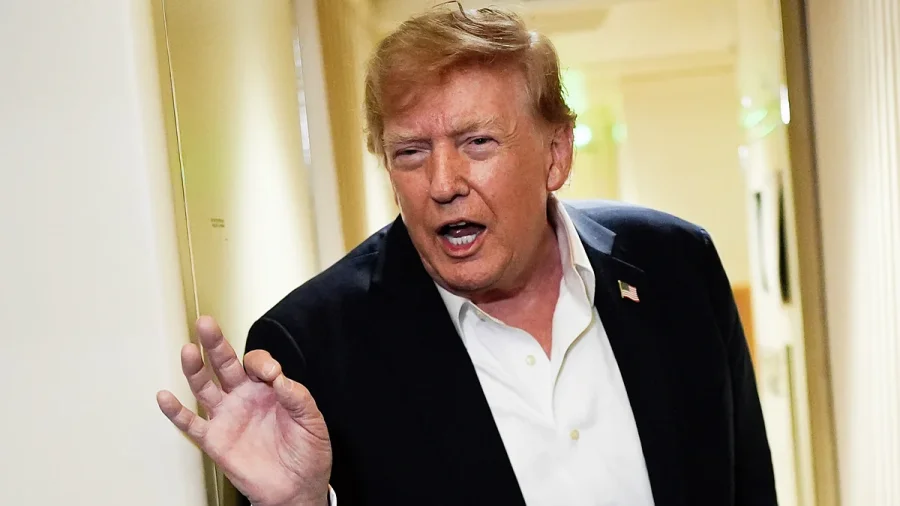
The US House of Representatives has passed a Bill that would let President Donald Trump slap tariffs of up to 100 per cent on any country still buying Russian oil and gas. India is squarely in the crosshairs. Within hours, the Congress party launched a sharp attack on the Modi government — accusing it of "surrendering" to American pressure rather than defending Indian interests.
What the US Bill Actually Does — And Why India Is Named
The legislation authorises the US President to impose steep tariffs on nations that continue purchasing Russian crude. India, one of the largest buyers of discounted Russian oil since the war in Ukraine began, would be directly affected if the Bill becomes law.
The threat is not abstract. It targets the very trade flows that have helped India cushion global oil price shocks over the past three years.
Congress's Charge: 'Appeasement Never Pays'
The Opposition did not limit its criticism to Russian oil alone. Congress linked the sanctions Bill to a broader pattern — alleging the government has yielded ground on UPI charges and the Pakistan ceasefire as well.
"Appeasement never pays," the party said, demanding clarity from the government on how it plans to protect India's strategic autonomy. The phrasing was deliberate — evoking a long-standing Congress critique that the Modi government bends to Washington when pressed.
The MEA's Measured Reply
The Ministry of External Affairs responded cautiously. Officials said India is monitoring developments and will take all necessary steps to protect its economic interests and energy security.
That language — careful, non-confrontational — reflects the tightrope New Delhi walks: maintaining its Russian energy lifeline while managing its deepening partnership with the United States.
Why Russian Oil Matters So Much to India
Since 2022, discounted Russian crude has become a critical component of India's energy mix. It has helped keep domestic fuel prices relatively stable and reduced the import bill at a time of global volatility.
For ordinary Indians, the stakes are direct: any disruption to these supplies could translate into higher pump prices, elevated inflation, and pressure on household budgets.
How We Got Here — A Timeline of Pressure
The US has steadily tightened its stance on countries purchasing Russian energy. This Bill represents the most explicit legislative attempt yet to penalise buyers.
India has consistently defended its purchases as a matter of energy security, not geopolitics — arguing that as a developing nation, it must prioritise affordable energy for its population.
Who Is Affected — Beyond the Government
Indian refiners, shipping companies, and traders dealing in Russian crude would face immediate uncertainty if tariffs materialise. So would consumers, who could see the ripple effects in fuel and transport costs.
The diplomatic fallout, meanwhile, extends to India's broader trade relationship with the US — from defence deals to technology partnerships.
Confirmed Facts vs What Remains Unclear
Confirmed: The US House passed the Bill. It authorises tariffs up to 100% on Russian oil buyers. The MEA has acknowledged it is monitoring the situation. Congress has publicly attacked the government's stance.
Unclear: Whether the Bill will pass the US Senate and be signed into law. Whether India would receive any exemption. What specific retaliatory or negotiating measures New Delhi might take. The full economic impact remains speculative at this stage.
Risks and the Balanced View
The government's defenders argue that quiet diplomacy — not public confrontation — is the most effective way to protect Indian interests. They point out that India has managed similar pressures before without capitulating.
Critics, including Congress, counter that silence looks like weakness, and that India's strategic autonomy is being eroded incrementally. Both perspectives carry weight; neither has been fully tested by outcomes yet.
A Wider Pattern: Sanctions as Geopolitical Leverage
This is not an isolated move. The US has increasingly used tariffs and sanctions as tools of foreign policy — targeting not just adversaries but also partners who trade with them.
For India, the challenge is familiar: how to maintain independent foreign policy in an increasingly polarised world while protecting core economic interests.
What Readers Should Watch For
Track the Bill's progress through the US Senate. Watch for official statements from the MEA and the Commerce Ministry. And pay attention to whether Indian refiners adjust their purchasing patterns in anticipation of tariffs.
For investors and businesses exposed to energy imports, currency fluctuations, or US trade, this is a story to follow closely.
Future Outlook
Much depends on whether the Bill becomes law and how aggressively the Trump administration enforces it. India may seek exemptions, negotiate alternative arrangements, or diversify its energy sources further.
What is certain: the debate over India's balancing act between Russia and the US is far from over.
Our Take
This story is bigger than one Bill. It tests India's ability to protect its economic sovereignty while managing its most important strategic partnerships. The Congress's attack is political, but the underlying question — how India navigates great-power pressure — is real and consequential.
The government's response so far has been cautious. Whether that caution is wisdom or weakness will only become clear with time.
Frequently Asked Questions
What is the US Russia sanctions Bill?
It is legislation passed by the US House of Representatives that authorises President Trump to impose tariffs of up to 100% on countries that continue to buy Russian oil and gas. India is among the countries potentially affected.
Why is Congress attacking the Modi government?
Congress accuses the government of "surrendering" to US pressure instead of defending India's interests. The party says "appeasement never pays" and has demanded clarity on the government's strategy.
What has the MEA said?
The Ministry of External Affairs said India is monitoring developments and will take all necessary steps to protect its economic interests and energy security.
Will this affect petrol prices in India?
It could, if the tariffs disrupt Russian oil supplies and India is forced to buy more expensive crude elsewhere. However, the Bill is not yet law, and the full impact remains uncertain.