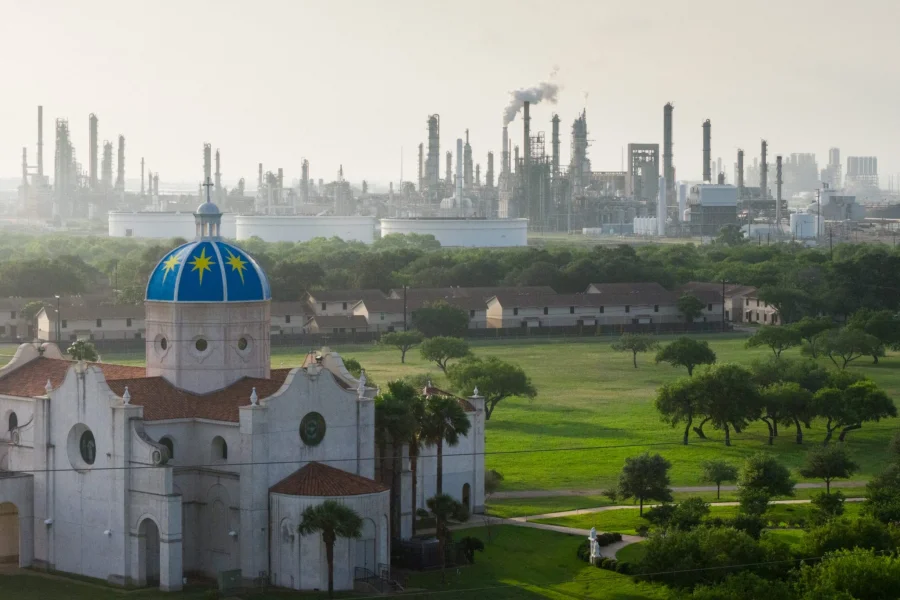
For nearly two years, residents of Corpus Christi, Texas — the city that powers America’s largest oil export hub — have been living under a simple but painful rule: you cannot water your lawn. Not a single drop. The grass is brown, the gardens are wilting, and the frustration is mounting. But this isn’t just about aesthetics. It’s a warning sign of a deeper crisis that could soon force 318,000 people to ration water to just two-thirds of what the average American household uses. And the clock is ticking.
Why This Matters Right Now
This isn’t a distant problem in a faraway desert. Corpus Christi is the nerve center of America’s energy exports. The oil and gas industry here consumes massive amounts of water for drilling, refining, and export operations. Meanwhile, the same water supply is running dry for the people who live and work here. The conflict between industrial water use and residential needs is reaching a breaking point. If the city declares a water emergency in December 2026 — as officials warn is possible without significant rainfall — every household will be limited to 6,000 gallons per month. That’s barely enough for basic hygiene, cooking, and drinking, let alone any outdoor use. The emotional and economic toll on families could be devastating.
How the Water Crisis Unfolded in Corpus Christi
The story begins long before the lawn watering ban in August 2024. Corpus Christi and the surrounding Coastal Bend region have been in a prolonged drought. The city’s primary water sources — Lake Corpus Christi and the Choke Canyon Reservoir — have been steadily declining. By mid-2024, water levels had dropped so low that the city council had no choice but to impose Stage 2 water restrictions. That meant no watering lawns, limited watering of gardens, and a ban on washing cars and boats. For nearly two years, residents have watched their once-green neighborhoods turn brown. The restrictions have become a daily reminder of a resource that is no longer abundant.
Who Is Affected and What Officials Are Saying
The 318,000 residents of Corpus Christi are the most directly affected. But the impact ripples outward. Local businesses — from car washes to landscaping companies — have seen revenues plummet. Homeowners worry about property values as lawns die. And the oil industry, which relies on water for everything from hydraulic fracturing to cooling refineries, is also watching nervously. City officials have been clear: without significant rainfall, the situation will worsen. “We are in a serious situation,” a city spokesperson said. “We are asking everyone to conserve every drop.” The city has also begun exploring emergency water sources, including desalination and purchasing water from neighboring regions, but these solutions are expensive and take time.
What We Know So Far — and What Remains Unclear
What we know: The lawn watering ban has been in effect since August 2024. The city’s water reserves are critically low. Without substantial rain, a Stage 3 water emergency could be declared by December 2026, limiting households to 6,000 gallons per month. The oil export hub continues to operate, consuming significant water resources.
What remains unclear: Whether the city can secure alternative water sources in time. How much water the oil industry is actually using versus what is publicly reported. And whether the drought is a temporary cycle or a long-term shift driven by climate change. Experts are divided on the timeline for recovery.
Risks, Concerns, and the Balanced View
The most immediate risk is a full-blown water emergency that could disrupt daily life for hundreds of thousands of people. But there are deeper concerns. Critics argue that the city has prioritized industrial water use — particularly for the oil export hub — over residential needs. “We are exporting oil while our lawns die,” one resident told local media. On the other hand, the oil industry provides thousands of jobs and billions in tax revenue. Balancing economic growth with water sustainability is a challenge with no easy answers. There is also the risk of long-term environmental damage if groundwater is over-extracted or if desalination plants harm marine ecosystems.
Why Similar Water Crises Are Growing Across the US
Corpus Christi is not alone. From California to the Colorado River Basin, water scarcity is becoming a defining issue of the 21st century. Climate change is making droughts more frequent and severe. Population growth and industrial expansion are increasing demand. And aging water infrastructure is wasting precious resources. The story of Corpus Christi is a microcosm of a larger national crisis. If one of America’s most economically vital regions can run out of water, no place is safe.
- Lake Corpus Christi and Choke Canyon Reservoir levels have dropped to historic lows.
- The city has been under Stage 2 water restrictions since August 2024.
- A Stage 3 emergency would limit households to 6,000 gallons per month.
- The oil export hub in Corpus Christi is the largest in the United States.
“We are in a serious situation. We are asking everyone to conserve every drop.” — City of Corpus Christi spokesperson
What Residents and Businesses Should Know Now
For residents, the message is simple: every drop counts. The city recommends fixing leaks, taking shorter showers, and using drought-resistant landscaping. Businesses should audit their water use and explore recycling options. For those considering moving to the area, it’s worth understanding the water situation before making a decision. The city is also encouraging residents to report water waste and to participate in public meetings about the crisis.
What Could Happen Next
If rain does not come soon, the city will likely declare a Stage 3 water emergency by December 2026. This would trigger mandatory rationing and fines for overuse. In the longer term, Corpus Christi may need to invest in desalination plants, water recycling facilities, and pipelines to bring water from other regions. These projects could take years and cost billions. The oil industry may also face pressure to reduce its water consumption or face stricter regulations. The outcome will depend on rainfall, political will, and public cooperation.
Our Take: Why This Story Matters Beyond One City
The Corpus Christi water crisis is a stark reminder that water is not an infinite resource. It challenges the assumption that economic growth and environmental sustainability can coexist without careful planning. For India, a country facing its own water crises in cities like Chennai and Bengaluru, the lessons are clear: industrial water use must be balanced with residential needs, and conservation cannot be an afterthought. This story is not just about brown lawns in Texas. It’s about the future of water in a warming world.
FAQs
Why has it been illegal to water lawns in Corpus Christi for 2 years?
Because of a severe drought that has depleted the city’s main water sources — Lake Corpus Christi and Choke Canyon Reservoir. The city imposed Stage 2 water restrictions in August 2024, banning lawn watering to conserve water for essential uses.
What happens if the water emergency is declared in December 2026?
If a Stage 3 water emergency is declared, each household will be limited to 6,000 gallons of water per month. That’s about two-thirds of what the average US household uses. Fines and stricter rationing would be enforced.
How does the oil export hub affect the water crisis in Corpus Christi?
The oil and gas industry in Corpus Christi consumes large amounts of water for drilling, refining, and export operations. Critics say this industrial use competes with residential needs, though the industry also provides jobs and tax revenue. The exact water usage by the oil sector is a point of debate.
What can residents do to prepare for the water emergency?
Residents should fix leaks, take shorter showers, use drought-resistant plants, and reduce outdoor water use. The city also recommends reporting water waste and attending public meetings to stay informed about conservation measures.