At least 1 million women have lost access to humanitarian and other critical support as a result of US budget cuts over the last 18 months, the UN agency focusing on women said Friday, painting a stark picture of a global safety net unraveling.
How US Aid Cuts Are Leaving Women Without Support
UN Women’s report reveals that 84% of women’s organizations surveyed had reported increased needs since January 2025, when the Trump administration — the biggest UN donor — took office and began cutbacks in foreign aid. The scale of the loss is unprecedented in recent memory.
Why This Matters for Millions of Vulnerable Women
For women in conflict zones, refugee camps, and impoverished communities, these cuts mean the difference between survival and destitution. Without access to maternal health services, protection from gender-based violence, and education for girls, entire communities face a downward spiral. The human cost is measured in lives disrupted and futures lost.
The Timeline of a Humanitarian Crisis
Since January 2025, the Trump administration has systematically reduced foreign aid, targeting programs run by UN agencies and NGOs. The cuts accelerated over 18 months, leaving women’s organizations scrambling to fill gaps. By mid-2026, nearly 90% of surveyed groups said they cannot meet current levels of support, according to UN Women.
Who Is Affected by the Funding Gap
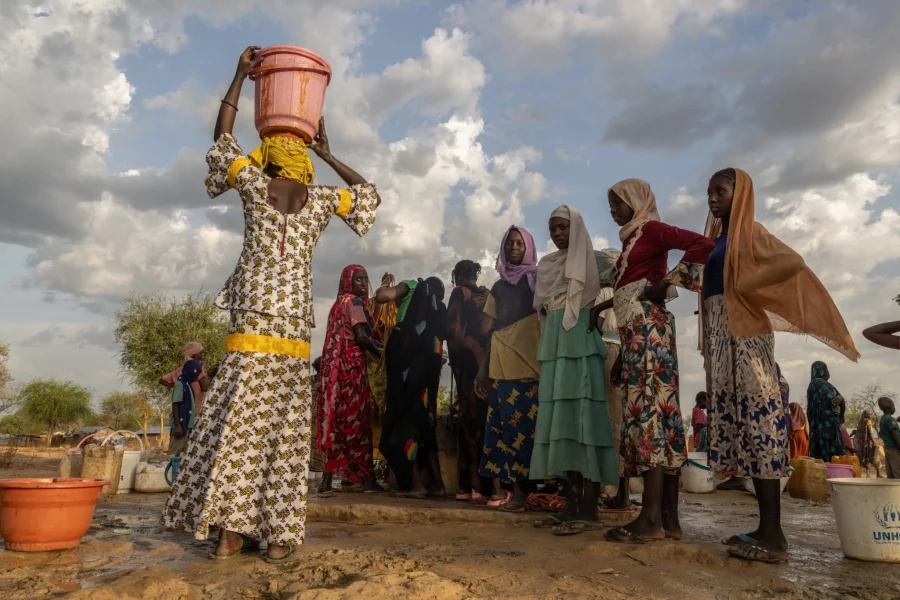
The most affected are survivors of conflict-related sexual violence, displaced mothers, and girls forced out of school. Women in war-torn regions like Sudan, Yemen, and Myanmar, as well as refugee populations in Bangladesh and Uganda, are bearing the brunt. Local women-led organizations, often the first responders, are collapsing under the strain.
UN Women’s Warning on the Crisis
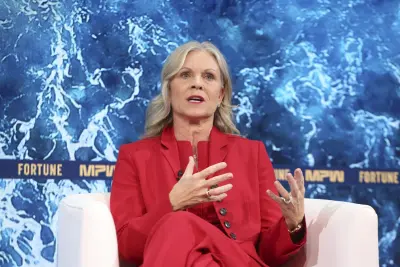
Sofia Calltorp, UN Women’s chief of humanitarian action, delivered a stark warning: “Every dollar withdrawn from women’s organizations is a dollar withdrawn from survivors of conflict-related sexual violence, displaced mothers, girls forced from school and communities struggling to survive.” The agency emphasized that the cuts are not just financial — they are life-threatening.
What the Budget Cuts Mean for Global Women’s Health
The cuts have disrupted maternal health services, family planning programs, and emergency obstetric care. In many regions, clinics have closed, and mobile health units have stopped operating. Women who relied on these services for safe childbirth and postnatal care are now at higher risk of complications and death.
Confirmed Facts vs What Remains Unclear
Confirmed: At least 1 million women lost access to humanitarian support. 84% of women’s organizations report increased needs. Nearly 90% cannot meet current support levels. The cuts began in January 2025 under the Trump administration.
Unclear: The exact breakdown of which countries or programs were most affected. Whether the cuts will deepen further. The full long-term health and social consequences for affected women.
Why US Foreign Aid Cuts Are Unprecedented in Scale
The US has historically been the largest donor to UN humanitarian programs. The current cuts represent a sharp departure from decades of bipartisan support for global women’s health and protection programs. Analysts say the withdrawal signals a fundamental shift in US foreign policy priorities.
Risks and Concerns Emerging from the Funding Crisis
Critics warn that the cuts could lead to a rise in maternal mortality, increased gender-based violence, and a generation of girls denied education. Supporters of the cuts argue for fiscal restraint and a focus on domestic priorities. However, humanitarian experts say the long-term costs of inaction will far outweigh any short-term savings.
Wider Pattern of Global Humanitarian Funding Decline
The US cuts are part of a broader trend of declining humanitarian funding from major donors. Other nations have also reduced aid budgets, citing economic pressures. This collective withdrawal is creating a global protection gap for the most vulnerable populations.
What Affected Women and Communities Can Do Now
Local women’s organizations are urging affected communities to seek support from remaining NGOs and UN agencies. Advocacy groups recommend contacting local representatives and international bodies to demand restoration of funding. For individuals, donating directly to verified women-led organizations can provide some relief.
Future Outlook for Women’s Humanitarian Support
Without a reversal of the cuts, the situation is expected to worsen. UN Women warns that more women will lose access to lifesaving services. Diplomatic efforts to restore funding face significant political hurdles. The coming months will be critical in determining whether the international community can fill the gap.
Our Take
This is not just a budget story — it is a human crisis unfolding in real time. The loss of support for 1 million women represents a collective failure of global solidarity. While fiscal debates are legitimate, the human cost of these cuts is undeniable. The international community must urgently find ways to restore funding and protect the most vulnerable.
Frequently Asked Questions
How many women have lost access to humanitarian aid due to Trump budget cuts?
At least 1 million women have lost access to humanitarian and critical support, according to UN Women.
When did the US foreign aid cuts begin?
The cuts began in January 2025, when the Trump administration took office and started reducing foreign aid.
What types of support have been affected?
Support includes maternal health services, protection from gender-based violence, education for girls, and emergency humanitarian assistance.
What has UN Women said about the impact?
UN Women’s Sofia Calltorp said every dollar withdrawn harms survivors of conflict-related sexual violence, displaced mothers, and girls forced from school.