Imagine paying $20.90 for a Big Mac meal — that’s the reality in Tel Aviv, now the world’s most expensive city to buy McDonald’s. Meanwhile, in Tokyo, the same meal costs just $4.90, a price that would have been unthinkable a decade ago when Japan was among the priciest places on Earth.
The currency divide behind the McDonald’s price gap
A new Deutsche Bank report reveals that the dramatic price difference boils down to one factor: currency. The Israeli shekel has strengthened significantly, driven by a booming tech sector and increased defense spending. In contrast, the Japanese yen has weakened over two decades of near-zero interest rates, making everything from burgers to rent cheaper for foreigners.
Tel Aviv’s wartime economic boom
Just ten years ago, Tel Aviv was described as a “mid-price Mediterranean city.” Now, it sits among the world’s most expensive. According to Deutsche Bank, net salaries in Tel Aviv have risen 137% since 2012, apartment prices are up 136%, and a dinner for two costs 122% more. The wartime economy — with increased defense spending and tech investment — has supercharged the shekel, pushing up the cost of everyday goods.
How a weak yen made Tokyo a bargain
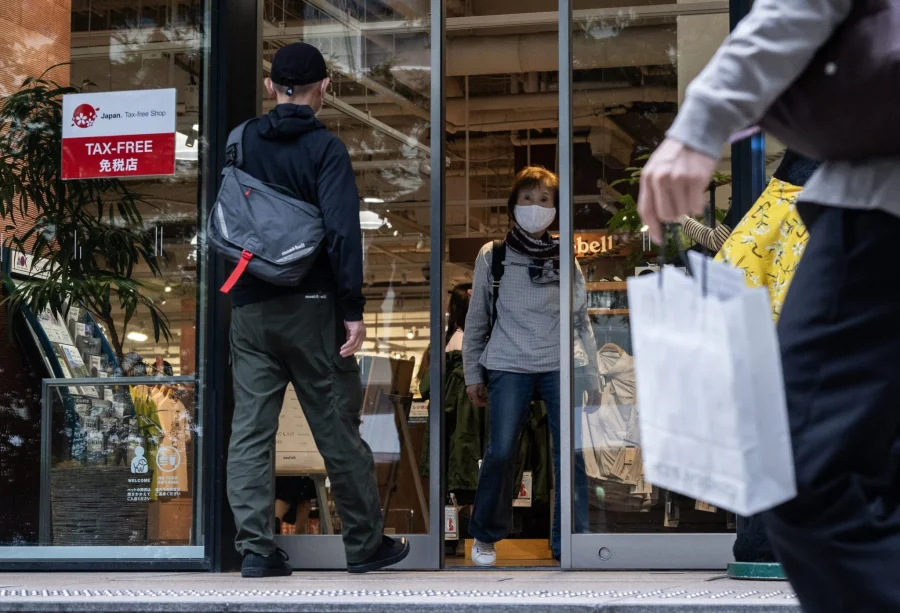
Tokyo’s transformation is equally striking. Once known for eye-watering prices, the Japanese capital is now a steal for tourists and expats. The yen’s prolonged weakness — a result of the Bank of Japan’s ultra-loose monetary policy — has made Japanese goods and services cheaper in dollar terms. A McDonald’s meal that would have cost over $10 a decade ago now costs under $5.
Who is affected by this price shift
For Israeli consumers, the strong shekel means higher living costs, especially for imported goods and dining out. For Japanese residents, the weak yen has made imports more expensive, but local goods — including McDonald’s — remain cheap. Tourists benefit enormously: Tokyo is now a budget-friendly destination, while Tel Aviv has become a luxury market for visitors.
What former Bank of Israel official says
Zvi Eckstein, a former Bank of Israel deputy governor and head of the Aaron Institute for Economic Policy, told Deutsche Bank that “Israel’s basket of goods, the consumer basket, has been very expensive.” His comment underscores how currency strength, combined with domestic inflation, has reshaped the cost of living in Tel Aviv.
Why currency matters more than local prices
The Deutsche Bank report highlights a key insight: the price of a McDonald’s meal is not just about local inflation or wages — it’s a reflection of currency value. A strong shekel makes Israeli goods expensive for the rest of the world, while a weak yen makes Japanese goods cheap. This currency effect can override local economic trends, creating surprising global rankings.
Confirmed facts vs what remains unclear
What is confirmed: Deutsche Bank’s report shows Tel Aviv’s McMeal at $20.90 and Tokyo’s at $4.90, with currency as the primary driver. Salaries, apartment prices, and dining costs in Tel Aviv have risen sharply since 2012. What remains unclear: how long the yen will stay weak, and whether Israel’s wartime economy will sustain the shekel’s strength. The report does not specify exact dates for future currency shifts.
Risks and balanced view
While a strong shekel benefits Israeli consumers traveling abroad, it hurts exporters and makes Israeli goods less competitive. For Japan, the weak yen boosts tourism and exports but raises the cost of imported energy and food. Critics warn that Japan’s ultra-loose policy could fuel inflation, while Israel’s defense-driven boom may not be sustainable if geopolitical tensions escalate.
Wider trend: currency wars reshaping global living costs
This story is part of a broader pattern: currency fluctuations are redrawing the map of global affordability. From Argentina’s peso crisis to Turkey’s lira collapse, exchange rates increasingly determine where your money goes furthest. The McDonald’s index — a playful but real economic indicator — shows how currency, not just local prices, shapes everyday life.
Practical guidance for travelers and investors
For travelers: Tokyo is currently a budget-friendly destination, while Tel Aviv is expensive. For investors: the yen’s weakness may present opportunities in Japanese export stocks, while the shekel’s strength could benefit Israeli tech firms. For students or expats: consider currency trends when choosing a city — a weak yen makes Tokyo affordable, while a strong shekel makes Tel Aviv costly.
Future outlook
If Japan maintains its near-zero interest rate policy, the yen could stay weak for years, keeping Tokyo cheap. If Israel’s tech and defense sectors continue to grow, the shekel may remain strong, keeping Tel Aviv expensive. However, any shift in global interest rates or geopolitical stability could reverse these trends quickly.
Our Take
This Deutsche Bank report is a vivid reminder that currency is the invisible hand shaping our daily lives. The McDonald’s price gap between Tel Aviv and Tokyo is not just a curiosity — it’s a snapshot of two very different economic stories. Israel’s wartime boom has made its currency a powerhouse, while Japan’s long experiment with cheap money has made its cities a global bargain. For consumers, the lesson is simple: where you spend your money matters as much as how much you spend.
Frequently Asked Questions
Why is McDonald’s so expensive in Tel Aviv?
Tel Aviv has the world’s most expensive McDonald’s meal at $20.90 due to a strong Israeli shekel, boosted by tech and defense spending, and rising local costs for salaries, apartments, and dining.
Why is McDonald’s so cheap in Tokyo?
Tokyo’s McDonald’s meal costs just $4.90 because the Japanese yen has weakened over two decades of near-zero interest rates, making local goods and services cheaper in dollar terms.
What is the Deutsche Bank report about?
The report compares the price of a McDonald’s meal (McMeal) across global cities, highlighting how currency fluctuations — not just local inflation — drive cost-of-living differences.
How does currency affect the cost of living?
A strong currency makes a country’s goods expensive for foreigners, while a weak currency makes them cheap. This affects everything from McDonald’s prices to rent and dining costs.