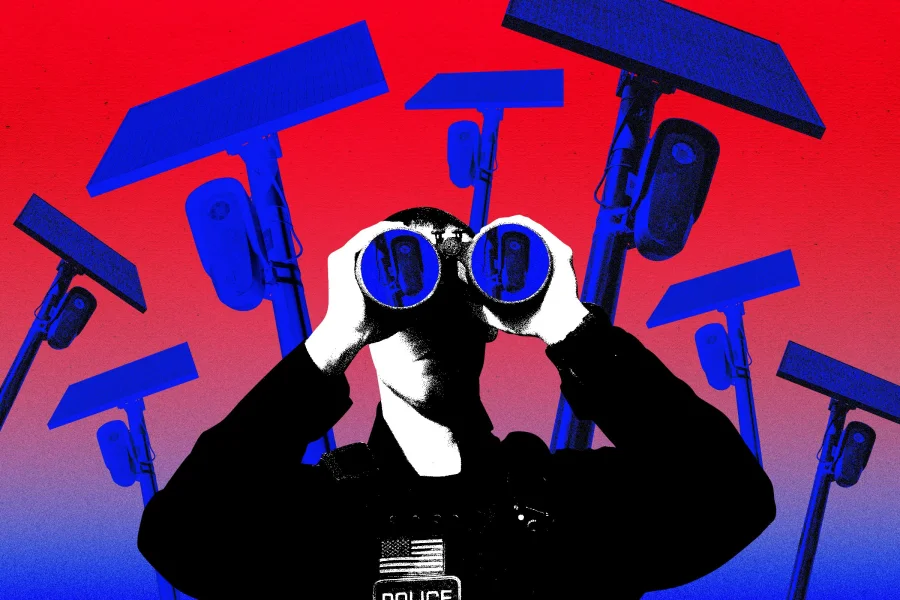
The trust that holds a police department together is built on the idea that its tools are used to protect the public, not to settle personal scores. That trust is now under scrutiny in Georgia, where internal investigation records allege an officer used the state's Flock license plate reader system to track his ex-girlfriend—a fellow officer—and her male friend after their affair ended.
How a Breakup Turned Into a Surveillance Case
According to internal investigation records, the officer's interest in his ex's whereabouts went beyond the personal. He allegedly used Flock, a network of automated license plate readers, to monitor her movements and those of another man whose vehicle frequently appeared near hers. The surveillance was not part of any official police work; it was a personal pursuit.
Why This Misuse of Police Technology Matters to You
This case is not just about one officer's bad judgment. It strikes at the heart of how modern policing tools are governed. Flock cameras are installed in thousands of communities to solve crimes, but this incident shows how easily they can be turned into instruments of harassment. If an officer can use this system to stalk someone, what safeguards are actually in place to protect ordinary citizens?
The Timeline of the Alleged Stalking
The story begins with a romantic relationship between two police officers that soured. After the affair ended, the officer's behavior reportedly became obsessive. Internal records show he used the Flock system to check the license plates of his ex and her friend, effectively building a digital trail of their daily lives without their knowledge or consent.
The Human Toll of Digital Stalking
For the victims, the discovery of this surveillance is likely chilling. Knowing that a person with a badge and a gun was tracking your every move—not for a case, but out of personal animosity—creates a profound sense of vulnerability. It blurs the line between public safety and personal danger, especially when the alleged stalker is someone trained to use force.
What the Police Department's Internal Investigation Reveals
The existence of the internal investigation records confirms that the department is taking the allegations seriously. However, the records also highlight a critical gap: the system was accessible enough for an officer to use it for personal reasons without immediate detection. The investigation is a step toward accountability, but it also raises questions about how many other cases of misuse have gone unnoticed.
Analyzing the Abuse of the Flock System
Flock Safety markets its technology as a crime-solving tool, but this incident exposes its darker potential. The system's power lies in its vast network and historical data, which can reveal patterns of movement over time. When that power is abused, it transforms a public safety asset into a tool for private intimidation. This case is a stark reminder that technology is only as ethical as the people using it.
Confirmed Facts vs. What Remains Unclear in the Investigation
Confirmed: Internal investigation records allege the officer used Flock to track his ex and her friend. The relationship between the officer and his ex was personal and had ended.
Unclear: The officer's current employment status, the full extent of the tracking, and whether any criminal charges will be filed. The officer's side of the story has not been fully detailed in public records.
The Flock System's Role in Modern Policing
Flock has become a ubiquitous presence in American suburbs, promising to solve hit-and-runs and catch wanted criminals. Its value is undeniable in legitimate investigations. However, this case highlights a systemic risk: the same database that helps find a stolen car can be used to stalk an ex-partner. The technology's power is immense, and its oversight is often minimal.
Risks and the Need for Stronger Oversight
Critics of automated license plate readers have long warned about privacy violations. This case gives those critics concrete evidence. The risk is not just to the individuals involved but to public trust in law enforcement. If officers cannot be trusted with this data, the public will demand stricter rules, which could hamper legitimate police work.
A Wider Pattern of Police Technology Misuse
This incident is part of a growing national conversation about police access to surveillance data. From cell-site simulators to social media monitoring, law enforcement agencies are collecting more data than ever. The Georgia case is a reminder that without robust auditing and strict usage policies, these tools will be abused.
What Police Officers and Citizens Should Do Now
For police departments, this case is a call to action. They must implement strict audit trails for all surveillance tool usage, require a case number for any search, and impose severe penalties for personal use. For citizens, it is a reminder to be aware of the surveillance infrastructure around them and to advocate for transparency in how it is used.
Future Outlook: Will This Change How Flock Is Used?
The outcome of this investigation could set a precedent. If the officer faces serious consequences, it will send a message that misuse will not be tolerated. If the punishment is light, it could embolden others. The case may also prompt state legislatures to consider new laws governing the use of automated license plate readers.
Our Take
This story is a cautionary tale about the double-edged sword of police technology. Flock cameras are powerful tools for public safety, but this incident shows they are only as safe as the policies surrounding them. The real issue is not the technology itself, but the culture of accountability—or lack thereof—within police departments. This case should be a wake-up call for every agency using similar systems.
Frequently Asked Questions
What is Flock and how does it work?
Flock is a network of automated license plate reader cameras installed on roads and in neighborhoods. They capture images of every passing vehicle's license plate and use that data to help police solve crimes like theft and hit-and-runs.
Can police officers use Flock for personal reasons?
No, using Flock for personal reasons is a violation of policy and the law. This Georgia case is an example of such misuse, where an officer allegedly used the system to track his ex-girlfriend.
What are the consequences for misusing police surveillance tools?
Consequences can range from internal disciplinary action, including termination, to criminal charges like stalking or computer trespass, depending on the severity of the misuse and the laws in the jurisdiction.
How can citizens protect themselves from surveillance abuse?
Citizens can advocate for stricter oversight policies, attend city council meetings, and support legislation that requires audits and warrants for surveillance data access. Awareness of local surveillance infrastructure is the first step.