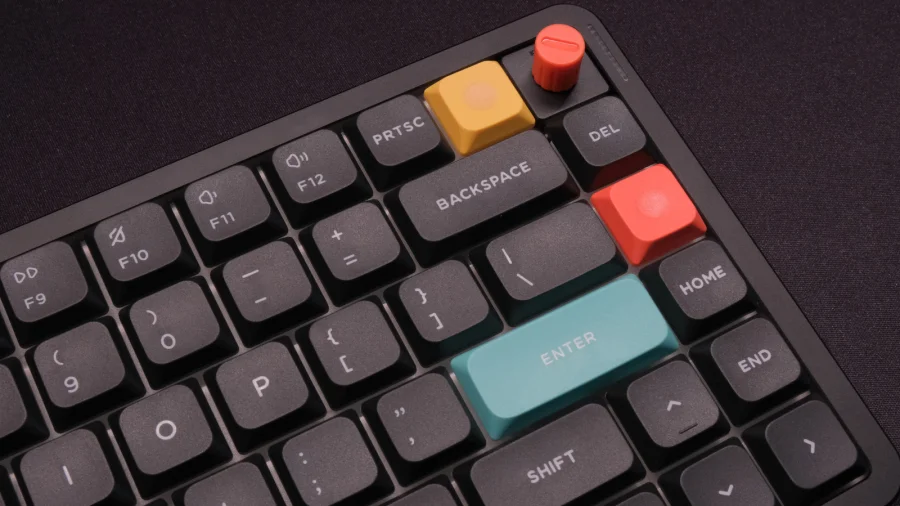
The cable is annoying. The battery dies at the worst moment. And somewhere in between, a quiet question lingers: does going wireless actually cost you performance?
Short answer — sometimes yes, sometimes no. The longer answer depends entirely on what you're doing with the keyboard.
Where Wired Keyboards Still Win
A wired keyboard sends every keystroke through a physical connection. There's no compression, no wireless protocol, no interference. The signal arrives almost instantly and — critically — consistently.
For competitive gamers, that consistency matters. A wireless keyboard might average 5ms of latency, but spike to 20ms under interference. A wired keyboard stays flat. Predictable beats fast when milliseconds decide outcomes.
Why Wireless Has Closed the Gap
Modern 2.4GHz wireless and Bluetooth Low Energy have improved dramatically. Many premium wireless keyboards now advertise latency figures close to wired equivalents.
For typing documents, browsing, or casual gaming, most users won't feel a difference. The convenience of no cable, easy portability, and multi-device switching often outweighs a latency gap measured in single-digit milliseconds.
The Real Trade-Offs Nobody Mentions
Wireless keyboards introduce variables wired ones don't have: battery life, charging interruptions, signal interference from routers or USB 3.0 devices, and pairing hiccups.
Wired keyboards introduce their own problem: a cable that limits placement, clutters desks, and wears out at the connector over years of use.
Who Should Choose Which
Competitive gamers, rhythm-game players, and anyone doing latency-sensitive work should lean wired. The consistency is worth the cable.
Remote workers, travelers, and multi-device users should lean wireless. The flexibility is worth the occasional charge.
Confirmed Facts vs What Remains Unclear
Confirmed: Wired connections eliminate wireless interference and battery-related interruptions. Wireless keyboards have improved significantly in latency over the past decade.
Unclear: Exact latency comparisons vary wildly by model, firmware, and environment. No universal benchmark exists that applies to all keyboards.
Risks and Balanced View
Marketing claims about "zero-latency wireless" should be treated with caution. Real-world performance depends on your specific setup — router placement, USB port type, and even the surface your keyboard sits on.
Conversely, dismissing all wireless keyboards as "slow" is outdated. Many modern models perform excellently for non-competitive use.
Practical Reader Guidance
If you're unsure, test both. Buy from a retailer with a return policy. Use your keyboard the way you actually use it — not the way a spec sheet says you should.
For most people, the "best" keyboard is the one that fits their desk, their habits, and their patience for charging cables.
Future Outlook
Wireless technology keeps improving. As latency drops and battery life extends, the performance gap will likely shrink further — but physics ensures wired will always have a theoretical edge in consistency.
Our Take
The wired vs wireless debate isn't really about performance anymore. It's about priorities. Wired wins on reliability and latency. Wireless wins on freedom and flexibility. Neither is universally better — and anyone claiming otherwise is selling something.
Frequently Asked Questions
Are wired keyboards faster than wireless?
Generally yes, in terms of latency and consistency. But modern wireless keyboards have narrowed the gap significantly, and most users won't notice the difference in everyday use.
Do wireless keyboards lag for gaming?
Premium 2.4GHz wireless keyboards can perform very well for gaming. Bluetooth models may show more latency. Competitive gamers often still prefer wired for guaranteed consistency.
Is a wired keyboard more reliable?
Yes — no battery, no pairing, no interference. A wired keyboard works as long as the cable and port are intact.
Should I switch from wired to wireless?
If portability, desk cleanliness, or multi-device switching matters to you, yes. If you need absolute latency consistency, stay wired.