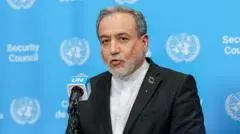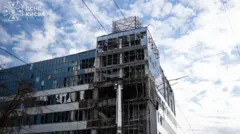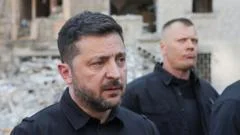
The next few hours could decide whether Ukraine’s skies remain defensible. President Volodymyr Zelensky is heading into a Nato meeting in Turkey with a single, urgent demand: more interceptor missiles. The plea comes after Russia unleashed what officials describe as one of its largest aerial assaults on Ukraine, with Kyiv taking the heaviest hit. At least two dozen Russian ballistic missiles reportedly slipped past Ukraine’s air defences and struck the capital, a stark reminder of how thin the protective shield has become.
Why the Nato meeting in Turkey is critical for Ukraine’s air defence
Zelensky will use the Nato gathering to argue that Ukraine’s current air defence systems are dangerously overstretched. The recent Russian attack, which involved a combination of missiles and drones, exposed gaps in coverage that Kyiv cannot fill alone. The president is expected to press allies for more Patriot systems and, crucially, the interceptor missiles that make them effective. Without these, Ukrainian cities remain vulnerable to repeated barrages.
How Russia’s latest strikes overwhelmed Kyiv’s defences
According to reports, the Russian assault was coordinated and massive. Missiles and drones targeted multiple regions simultaneously, with Kyiv facing the most intense bombardment. Ukrainian air defence units managed to intercept many incoming threats, but a significant number of ballistic missiles got through. The strikes hit residential areas and infrastructure, causing casualties and damage. This pattern — overwhelming defences through sheer volume — is a tactic Russia has refined over months of war.
Who is affected by the air defence shortage in Ukraine
Every failed interception has a human cost. Civilians in Kyiv and other major cities now live with the constant fear of the next strike. Power grids, water supplies, and heating systems — already battered by previous attacks — remain at risk. For soldiers on the front lines, the lack of adequate air cover means supply routes and command centres are more exposed. The shortage of interceptor missiles is not just a military problem; it is a daily reality for millions of Ukrainians.
What Zelensky has said about the need for Patriot missiles
In recent statements, Zelensky has been direct: Ukraine needs more Patriot systems and is ready to buy American defence systems if necessary. He has warned that Russia is preparing for a new large-scale offensive and that without immediate reinforcement, the consequences could be catastrophic. His message to Nato allies is simple — the missiles Ukraine has are not enough, and every delay costs lives.
Why interceptor missiles are the key to Ukraine’s survival
Interceptor missiles, such as those used in the Patriot system, are designed to shoot down incoming ballistic and cruise missiles. They are expensive and complex to produce, and global stockpiles are limited. Ukraine has used its supply at a rate that far outpaces Western production. The Nato meeting in Turkey is an opportunity for Zelensky to secure commitments for both immediate deliveries and long-term production increases. Without a steady flow of interceptors, Ukraine’s air defence network will continue to have critical gaps.
Confirmed facts vs what remains unclear about the strikes and Nato response
Confirmed: Russia launched a large-scale missile and drone attack across Ukraine. Kyiv was a primary target. At least two dozen Russian ballistic missiles bypassed Ukrainian air defences. Zelensky is attending a Nato meeting in Turkey to request more air defence systems. Unclear: The exact number of casualties from the latest strikes. The specific commitments Nato allies will make at the meeting. The timeline for delivery of any new systems. Whether the US will approve additional Patriot transfers.
Why Ukraine’s air defence needs are a global concern
The shortage of interceptor missiles is not just Ukraine’s problem. If Russian missiles continue to strike Ukrainian cities with impunity, it could embolden Moscow to escalate further. It also tests the credibility of Nato’s commitment to defend its allies. The meeting in Turkey is being watched closely by other nations that rely on Western security guarantees. A failure to support Ukraine adequately could have ripple effects far beyond the battlefield.
Risks and balanced view on the air defence request
Critics argue that supplying more advanced air defence systems could escalate the conflict or provoke Russia. Others point to the high cost and limited availability of Patriot interceptors, questioning whether Western stockpiles can sustain Ukraine’s needs. There is also concern that diverting systems to Ukraine could leave other allied nations vulnerable. Supporters counter that failing to defend Ukraine now would lead to far greater costs later, both in human lives and strategic stability.
Wider trend: The global race for air defence systems
The war in Ukraine has exposed a global shortage of advanced air defence systems. Nations from the Middle East to Asia are scrambling to upgrade their own capabilities. The demand for Patriot and similar systems now far exceeds supply. This has created a strategic bottleneck, where every system sent to Ukraine is one less available for other allies. The Nato meeting may also address how to ramp up production to meet both Ukraine’s needs and broader alliance requirements.
What Ukrainians and the international community should watch for
For Ukrainians, the key outcome from the Nato meeting will be concrete pledges of interceptor missiles and air defence systems. For the international community, the meeting is a test of unity and resolve. Observers should look for specific numbers — how many interceptors, which systems, and delivery timelines. Vague promises will not be enough. The coming days will show whether Nato can translate diplomatic support into tangible military aid.
Future outlook: What could happen next after the Nato meeting
If Zelensky secures firm commitments, Ukraine could stabilise its air defence network in the coming weeks, reducing the effectiveness of Russian strikes. If the meeting yields only general statements of support, Ukraine will likely face more devastating attacks. The longer-term outlook depends on whether Western nations can accelerate production of interceptor missiles. Without that, Ukraine’s air defence will remain a race against time.
Our Take
This is not just another diplomatic meeting. Zelensky’s push for air defence systems reflects a fundamental shift in the war — Russia has learned to overwhelm Ukraine’s defences through mass attacks, and Ukraine needs a proportional response. The Nato meeting in Turkey is a moment of truth. The alliance must decide whether it is willing to pay the price — in money, production capacity, and strategic risk — to keep Ukraine’s skies defended. The alternative is a slow erosion of Ukraine’s ability to protect its people and infrastructure, which would change the course of the war.
Frequently Asked Questions
Why is Zelensky pressing Nato for air defence systems now?
Because Russia recently launched one of its largest aerial assaults on Ukraine, with at least two dozen ballistic missiles bypassing Ukrainian defences and striking Kyiv. Zelensky needs more interceptor missiles to protect cities and infrastructure.
What air defence systems does Ukraine need most?
Ukraine urgently needs more Patriot systems and the interceptor missiles that go with them. These are the most effective weapons against Russian ballistic and cruise missiles.
What is the Nato meeting in Turkey about?
The meeting is a diplomatic forum where Zelensky will formally request additional air defence systems and interceptor missiles from Nato allies. It is a critical opportunity to secure concrete military commitments.
How does the shortage of interceptor missiles affect civilians in Ukraine?
Every missile that gets through can hit residential areas, power grids, and water supplies. The shortage means more civilians are at risk, and critical infrastructure remains vulnerable to repeated attacks.