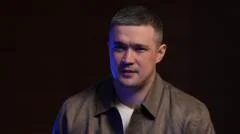
The political landscape in wartime Ukraine has been jolted by a direct challenge to President Volodymyr Zelensky's leadership. A minister who was dismissed from the government has gone public with a pointed demand: ask the president what he knew about corruption inside his own administration. The statement, made to the BBC, cuts to the heart of the trust between Ukraine's leadership and its citizens.
A Direct Challenge to the President's Office
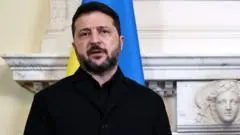
Mykhailo Fedorov, the sacked minister, did not hold back in his interview with the BBC. He argued that President Zelensky should be asked directly about his awareness of government corruption. This is not a vague accusation from an anonymous source; it is a public statement from a former insider who has seen the workings of the government from within.
The timing is significant. Ukraine is fighting a defensive war against a larger aggressor, and any suggestion of internal rot can undermine both domestic morale and international support. Fedorov's comments force a conversation that many in Kyiv would likely prefer to avoid.
Why This Call for Wartime Elections Matters
Beyond the corruption question, Fedorov has also reignited a contentious debate: the holding of elections during wartime. Under current martial law, elections are suspended, a decision supported by Zelensky and his allies as a practical necessity. The argument is that a nation under invasion cannot pause to run a democratic campaign.
Fedorov's counter-argument is that democracy must be maintained even in crisis. He is essentially arguing that the suspension of elections gives the current leadership a blank check, and that the people of Ukraine deserve a chance to voice their approval or dissent. This is a powerful, emotionally charged position that resonates with democratic ideals.
The Background of a Wartime Government
Since the full-scale invasion began, Ukraine has operated under a centralized war footing. The government has been granted sweeping powers to manage the economy, the military, and public information. This concentration of power was seen as necessary for survival, but it also creates an environment where oversight can be weakened.
Corruption has long been a historical challenge for Ukraine. The country has made significant strides in reform, but the pressure of war creates new opportunities for misuse of funds, particularly in defense procurement and humanitarian aid. Fedorov's comments tap into a deep-seated public concern that the urgency of war might be masking old habits.
Who Is Affected by This Political Rift
The immediate impact is on the Ukrainian public, who are asked to trust their leaders while also fighting for their lives. They are being told to sacrifice today for a better tomorrow, but Fedorov's words plant a seed of doubt: is the sacrifice being managed honestly?
International allies are also watching closely. Western governments have poured billions into Ukraine's defense and budget. Any credible suggestion of high-level corruption could complicate future aid packages, as opposition politicians in allied countries may seize on the narrative to argue against continued support.
The Official Stance and the Silence That Follows
As of the latest reporting, the presidential office has not issued a detailed public response to Fedorov's specific claims. The BBC report highlights the call for elections and the corruption question, but the full context of the interview suggests a broader frustration with the current political trajectory.
It is important to note that Fedorov is a dismissed official, and his perspective is inherently that of a critic. However, his insider status gives his words a weight that ordinary opposition voices might lack. He is not speaking from the outside; he is speaking from the inside looking out.
What This Means for Ukraine's Political Future
This development signals that the political unity of wartime Ukraine is not as absolute as it may appear from the outside. There are factions, disagreements, and personal grievances that are now spilling into the public domain. The question of elections is not just a procedural matter; it is a referendum on the legitimacy of the current leadership's extended mandate.
If the call for elections gains traction, it could force a political crisis at a time when military focus is paramount. Conversely, if the call is ignored, it could fester as a source of internal division.
Confirmed Facts vs What Remains Unclear
Confirmed: Mykhailo Fedorov, a sacked minister, has told the BBC that Zelensky should be asked about his knowledge of government corruption. He has also called for wartime elections.
Unclear: The specific nature of the corruption allegations, whether Fedorov has provided evidence to the BBC, and the official response from the Ukrainian presidency. These details have not been fully disclosed in the available reporting.
Risks and the Need for a Balanced View
Supporters of the current government will argue that Fedorov is a disgruntled ex-official seeking relevance or revenge. They will point to the dangers of holding elections during an active war, including the logistical impossibility of voting in occupied territories and the risk of Russian interference.
Critics, however, will see this as a necessary check on power. They will argue that accountability cannot be paused for the duration of the war, and that the fight for democracy abroad should not mean the suspension of democracy at home.
A Wider Pattern of Wartime Accountability
This story fits into a broader global pattern of how nations handle governance during conflict. From wartime Britain to the American Civil War, leaders have often extended their mandates, but they have also faced scrutiny. The balance between security and liberty is a delicate one, and Ukraine is now navigating that balance in real-time.
What Should Ukrainian Citizens and Observers Do Now
For Ukrainian citizens, this is a moment to demand clarity. They should ask their leaders for transparent answers about corruption prevention and the timeline for restoring electoral processes. For international observers, it is a reminder to look beyond the battlefield and examine the health of Ukraine's democratic institutions.
Future Outlook: A Test of Democratic Resilience
The coming weeks will reveal whether Fedorov's comments spark a broader political movement or remain a footnote. The government may choose to address the concerns head-on, or it may attempt to dismiss them. Either way, the question has been asked, and it will not be easily forgotten.
Our Take
This is a moment that tests the narrative of a unified Ukraine. The war effort requires unity, but it cannot be used as a shield against legitimate questions of accountability. Fedorov's decision to go public is a significant act of political courage, regardless of his motives. The health of a democracy is measured not by the absence of dissent, but by how it handles dissent when it appears. Ukraine's response to this challenge will be a defining feature of its wartime character.
Frequently Asked Questions
Who is Mykhailo Fedorov?
Mykhailo Fedorov is a former minister in the Ukrainian government who was dismissed from his position. He has recently given an interview to the BBC in which he criticized the government's handling of corruption and called for wartime elections.
What did the sacked minister say about Zelensky?
Fedorov told the BBC that President Zelensky should be asked what he knew about government corruption. He suggested that the president needs to answer questions about the integrity of his own administration.
Why are wartime elections a controversial topic in Ukraine?
Elections are currently suspended under martial law, which is justified by the ongoing war. Holding elections during an invasion is logistically difficult and could be seen as a security risk. However, critics argue that suspending elections indefinitely undermines democratic accountability.
Has the Ukrainian government responded to these allegations?
Based on the available information from the BBC report, there has been no detailed public response from the presidential office to the specific allegations made by Fedorov. The situation is developing, and further statements may be issued.