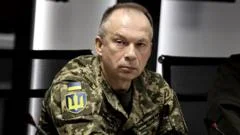
The decision to sack Ukraine's top army commander, General Oleksandr Syrskyi, marks one of the most dramatic leadership changes in the country's wartime history. President Volodymyr Zelensky's move comes after days of public protests that began with the removal of Defence Minister Mykhailo Fedorov — a figure widely seen as a symbol of reform and transparency in Ukraine's defence establishment.
Why the protests forced a command change
The protests were not spontaneous. They grew from deep public anger over Fedorov's removal, which many Ukrainians viewed as a political purge rather than a necessary administrative change. Fedorov, who oversaw major anti-corruption drives and modernised procurement, had become a trusted face of wartime governance. His dismissal triggered street demonstrations in Kyiv and other cities, with protesters demanding accountability. The pressure eventually reached the highest military office.
Who is Oleksandr Syrskyi and why his dismissal matters
General Oleksandr Syrskyi was appointed as Ukraine's top army commander in February 2024, succeeding General Valerii Zaluzhnyi. Syrskyi was known for his role in the successful Kharkiv counteroffensive in 2022 but also faced criticism for heavy casualties in Bakhmut. His dismissal now creates a leadership vacuum at a time when Russian forces are pressing offensives in the Donetsk and Kharkiv regions. The timing could not be more critical.
What this means for Ukraine's war effort
A change in top military command mid-war carries significant risks. New commanders need time to understand ongoing operations, build trust with field officers, and coordinate with international partners. Ukraine's Western allies, who have provided billions in military aid, will be watching closely. Any disruption in command could affect battlefield coordination, logistics, and morale among troops who have been fighting for over two years.
Official response and what remains unclear
As of now, the Presidential Office has not issued a formal statement explaining the reasons behind Syrskyi's dismissal. It is unclear whether the decision was directly linked to the Fedorov protests or if other factors — such as battlefield performance or internal political dynamics — played a role. No successor has been named, and it is not known whether the replacement will come from within the military or from outside.
Confirmed facts vs what remains unclear
Confirmed: President Zelensky has dismissed General Oleksandr Syrskyi as Ukraine's top army commander. The dismissal follows days of public protests over the removal of Defence Minister Mykhailo Fedorov. Unclear: The exact reasons for Syrskyi's dismissal. Whether the decision was a direct response to protests or part of a broader reshuffle. Who will replace him and when. Any official statement from the Presidential Office.
Risks and balanced view
While some analysts argue that a leadership change could bring fresh energy and new strategies, the risks are substantial. A sudden command change in wartime can lead to confusion, delayed decision-making, and loss of institutional knowledge. Critics of the move say it could undermine troop morale and give Russia a propaganda advantage. Supporters, however, believe Zelensky is responding to legitimate public anger and that accountability is necessary even during war.
Wider pattern of wartime leadership changes
This is not the first time Ukraine has changed its top military leadership during the war. The replacement of General Zaluzhnyi with Syrskyi earlier this year was itself a controversial move. That change was attributed to strategic differences and political tensions. The latest dismissal suggests that leadership instability may be becoming a recurring challenge for Ukraine's war management.
What Ukrainians and observers should watch next
For Ukrainians, the immediate concern is whether the new commander can maintain battlefield momentum and troop confidence. For international observers, the key question is how Western allies will react. Any perception of instability could affect decisions on future military aid packages. The coming days will reveal whether this is a one-time shake-up or the beginning of a broader restructuring of Ukraine's defence leadership.
Future outlook
The next few weeks will be critical. A new commander must be appointed quickly to avoid a power vacuum. The Presidential Office will likely issue a statement clarifying the rationale. Meanwhile, Russian forces may attempt to exploit the transition period. How Ukraine's military adapts to this change will shape the next phase of the war.
Our Take
This dismissal is a reminder that even in wartime, public sentiment and political accountability matter. Zelensky's decision reflects the pressure of governing a democracy under fire. But the timing is risky. Changing your top commander in the middle of a war is like changing the pilot mid-flight. The success of this move will depend entirely on who steps into the role and how quickly the transition is managed. For now, uncertainty is the only certainty.
Frequently Asked Questions
Why did Zelensky sack Ukraine's top army commander?
President Zelensky dismissed General Oleksandr Syrskyi after days of public protests. The protests were triggered by the earlier removal of Defence Minister Mykhailo Fedorov, a popular reformist figure. The exact reasons for Syrskyi's dismissal have not been officially confirmed.
Who was Oleksandr Syrskyi?
General Oleksandr Syrskyi was Ukraine's top army commander, appointed in February 2024. He was known for leading the Kharkiv counteroffensive in 2022 but also faced criticism for high casualties in the Battle of Bakhmut.
What happens now after the dismissal?
A successor has not been announced. The Presidential Office is expected to appoint a new commander soon. In the meantime, the military chain of command remains in place, but the leadership vacuum could affect operational coordination.
How does this affect Ukraine's war with Russia?
A change in top command mid-war carries risks of disruption, including delays in decision-making and potential morale issues among troops. Russian forces may try to exploit the transition period. However, a new commander could also bring fresh strategic thinking.