Iran's foreign minister has said that only negotiation can end the conflict, and that Tehran is still waiting for an official rejection of a deal — even after US President Donald Trump publicly dismissed a Hormuz-related proposal. The gap between a public comment and a formal response is now the story.
What Iran's Foreign Minister Actually Said
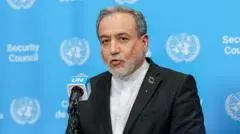
According to the original report, Iran's foreign minister framed negotiation as the sole viable path out of the conflict. He also indicated that Tehran has not yet received an official rejection of the deal, despite Trump's public remarks.
That distinction matters. A public statement and a formal diplomatic rejection are not the same thing, and Iran appears to be treating the difference as significant.
Why the Strait of Hormuz Makes This More Than a Talking Point
The Strait of Hormuz is one of the world's most consequential waterways — a narrow channel through which a large share of global oil and gas shipments passes. Any deal, rejection, or escalation tied to it carries weight far beyond the two governments involved.
For ordinary readers, that translates into fuel prices, shipping costs, and the broader stability of energy markets. For the region, it means the difference between a negotiating table and a flashpoint.
How the Public Rejection Landed
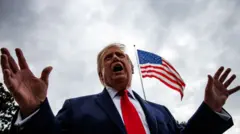
Trump's dismissal of the Hormuz deal was made publicly, not through diplomatic channels. Iran's response — that it is still awaiting an official rejection — suggests Tehran is either seeking clarity or signalling that it will not treat a media comment as a final answer.
No verified documentation of a formal rejection has been reported.
Who Feels This First
Shipping companies, energy traders, and governments dependent on Gulf oil routes watch these signals closely. So do ordinary households in import-dependent economies, where even the perception of instability can move prices.
For now, no confirmed disruption has been reported. The uncertainty itself is the pressure point.
What Has Been Confirmed — and What Has Not
Confirmed: Iran's foreign minister said negotiation is the only way to end the conflict, and that Tehran awaits an official rejection of a deal. Trump publicly rejected a Hormuz-related proposal.
Unclear: Whether a formal rejection has been or will be issued, whether back-channel talks are ongoing, and what specific terms the deal contained. Any claims beyond this should be treated as speculation.
The Diplomatic Gap Neither Side Has Closed
Public statements and formal positions often diverge in US–Iran relations. Iran's insistence on an "official" rejection may be a procedural point — or a way of keeping the door open without appearing to concede.
Either way, no verified negotiating schedule has been announced.
Risks and the Balanced View
Diplomacy carries its own risks: talks can stall, terms can leak, and domestic politics on both sides can harden positions. Critics of negotiation argue it can reward pressure; supporters argue the alternative — escalation around Hormuz — is far costlier.
Neither outcome is guaranteed, and no verified timeline exists for either.
The Wider Pattern
This episode fits a familiar rhythm in US–Iran relations: a public signal, a measured counter-signal, and a long pause before anything formal moves. The Hormuz dimension adds economic stakes to what might otherwise be a purely political exchange.
What Readers Should Take From This
Treat public comments as signals, not conclusions. Watch for an official rejection, a formal response, or any confirmed channel of communication — those are the markers that would actually shift the situation.
Until then, the practical guidance is caution: no confirmed disruption, no confirmed talks, no confirmed deal.
What Could Happen Next
Washington could issue a formal rejection, Iran could restate its position, or both sides could quietly open a channel. None of these has been confirmed. The most likely near-term development is continued public positioning rather than a breakthrough.
Our Take
The headline reads like a dead end — Trump rejects, Iran insists. But the more revealing detail is Iran's insistence on an official rejection. That phrasing keeps diplomacy alive on paper even as it stalls in practice. Whether that is strategy or simply procedure is the question neither side has answered.
Frequently Asked Questions
What did Iran's foreign minister say about the Hormuz deal?
He said only negotiation can end the conflict and that Tehran is still waiting for an official rejection of the deal, despite Trump's public comments.
Did Trump officially reject the deal?
Trump rejected the Hormuz-related proposal publicly. Iran says it has not received a formal, official rejection.
Why does the Strait of Hormuz matter in this story?
It is a critical global oil and gas transit route. Any deal or escalation tied to it affects energy prices and regional stability.
Are negotiations currently happening?
No confirmed talks or schedule have been reported. Both sides have made public statements, but no formal channel has been verified.