The celebration of a series win in Sri Lanka came with a quiet reality check for Indian cricket fans. Despite taking the two-Test series 1-0, India's position in the WTC Points Table 2026 remains unchanged — fifth place, with qualification for the final still very much in the balance.
India's Standings After the Colombo Draw
The second Test in Colombo ended in a draw on Thursday, with Sri Lanka producing a determined second-innings fightback after being forced to follow on. That resistance denied India a 2-0 sweep and left the visitors with 68 points and a points percentage (PCT) of 51.52%.
Sri Lanka remain sixth with 24 points and a PCT of 33.33%. The draw means India's series win margin stays at 1-0, not the 2-0 that would have boosted their PCT further.
Why the Draw Hurts More Than It Helps
In the World Test Championship, points percentage — not total points — determines final standings. A 2-0 sweep would have pushed India's PCT significantly higher. Instead, the Colombo draw leaves India vulnerable to teams with games in hand.
Every drawn Test in this cycle costs valuable percentage points. For a team with title aspirations, the inability to finish off a weakened opponent after enforcing the follow-on could prove costly when the final standings are calculated.
How India Built Their Position in the Series
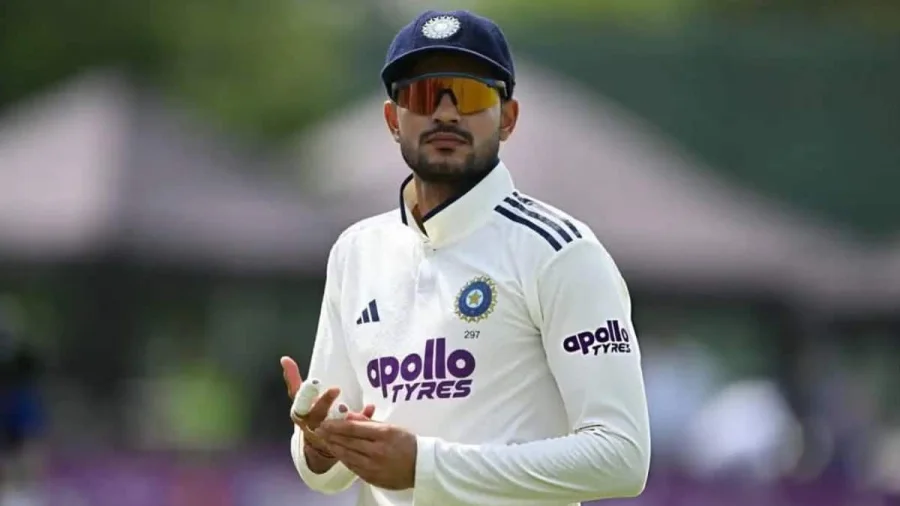
India dominated the early stages of the second Test after captain Shubman Gill won the toss and elected to bat. The visitors posted a commanding 503/9 before declaring, putting Sri Lanka under immediate pressure.
The opening Test in Galle had already set the tone, with India securing a convincing win to take a 1-0 lead. But the Colombo pitch and Sri Lanka's resilience in the second innings changed the narrative of the series finale.
What This Means for Indian Cricket Fans
For supporters, the series win is satisfying but incomplete. The draw raises familiar questions about India's ability to close out matches in overseas conditions, particularly after enforcing the follow-on.
The emotional arc of the series — from dominant victory to frustrating draw — mirrors India's broader WTC campaign: strong in patches, but not clinical enough when it matters most.
Captain and Team Response
Shubman Gill's decision to bat first after winning the toss was aggressive and correct in principle. The declaration at 503/9 gave the bowlers ample time to take 20 wickets, but Sri Lanka's fightback changed the equation.
While no official post-match comments were available in the source material, the team management will likely view the draw as a missed opportunity rather than a satisfactory result.
Breaking Down the Numbers: PCT Explained
For readers unfamiliar with the WTC format, points percentage is calculated by dividing points earned by points available, then multiplying by 100. India's 68 points from a possible 132 give them the 51.52% figure.
This system penalises draws and losses more heavily than the old points-only method. Teams with fewer games played can leapfrog India if they win their remaining fixtures.
Confirmed Facts vs What Remains Unclear
Confirmed: India finished the series 1-0, have 68 points, and a PCT of 51.52%. Sri Lanka have 24 points and a PCT of 33.33%. The second Test ended in a draw.
Unclear: The exact impact on India's final qualification chances depends on results in other ongoing and upcoming Test series, which are not detailed in the source material.
India's WTC Campaign: Strengths and Weaknesses
India's batting depth has been a clear strength, with the ability to post large totals like the 503/9 in Colombo. The bowling attack has also shown the capability to take wickets and enforce follow-ons.
However, the inability to convert dominant positions into wins — particularly in the second Test — highlights a recurring issue. Against stronger opposition in future series, such lapses could be decisive.
The Broader WTC 2026 Picture
India's fifth-place standing reflects a highly competitive cycle. Multiple teams remain in contention for the top two spots, and every remaining match carries significant weight.
The draw in Colombo is a reminder that in Test cricket, no victory is guaranteed until the final wicket falls. Sri Lanka's fightback will give other teams confidence that India can be held at bay.
What Should Indian Fans Watch For Next
For fans tracking India's qualification hopes, the focus now shifts to upcoming series and how other results affect the points table. Every win in future Tests will be crucial, and even draws could prove damaging.
Following the WTC standings after each match will be essential to understanding India's path to the final. The margin for error is now extremely thin.
Future Outlook: The Road to the WTC Final
India's fate is no longer entirely in their own hands. While winning remaining matches is essential, they will also need results elsewhere to go their way.
The Colombo draw may be remembered as the moment India's campaign became complicated — a series win that felt like a missed opportunity rather than a statement of intent.
Our Take
This series result encapsulates the fine margins in Test cricket. India did enough to win the series but not enough to strengthen their WTC position meaningfully. The draw in Colombo is a lesson in the importance of ruthlessness at the highest level.
For a team with India's resources and talent, fifth place is below expectations. The coming months will reveal whether this campaign has the resilience to recover or whether the Colombo draw proves to be the turning point that defined a season.
Frequently Asked Questions
Where does India stand in the WTC Points Table 2026 after the Sri Lanka series?
India remain fifth in the WTC Points Table 2026 with 68 points and a points percentage of 51.52% after the two-Test series against Sri Lanka ended 1-0 in their favour.
Why didn't India's WTC position improve after winning the series?
India's position didn't improve because the second Test ended in a draw. In the WTC, points percentage matters most, and a draw earns fewer points than a win, limiting India's PCT growth.
What is India's points percentage in the WTC 2026 cycle?
India's points percentage (PCT) is 51.52% after the Sri Lanka series, calculated from 68 points earned out of a possible 132.
Can India still qualify for the WTC 2026 final?
Yes, India can still qualify, but their chances now depend on winning remaining matches and on results in other series. The Colombo draw has reduced their margin for error significantly.