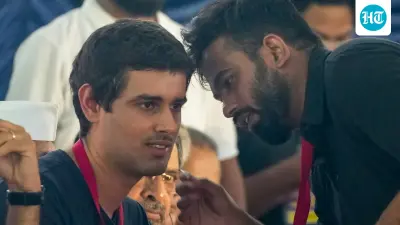
The crackdown came swiftly. By Friday evening, two of the most visible faces of a growing protest movement — AISA president Neha Bora and Cockroach Janata Party founder Abhijeet Dipke — were in police custody, and the streets of central Delhi had been sealed off.
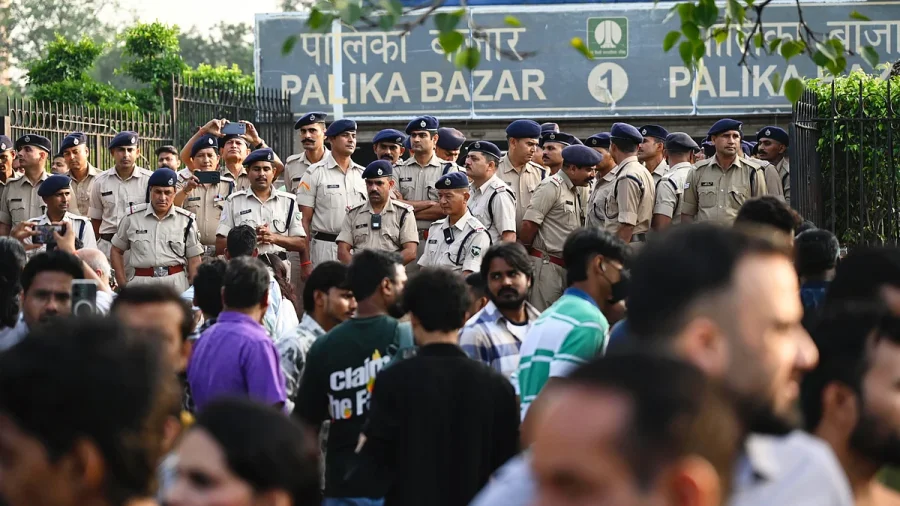
What was meant to be a 'Lehra Do Tiranga' march at Connaught Place instead became a test of how far Delhi Police would go to stop it. Drones hovered overhead. Crowds that gathered near Palika Bazar were dispersed. And the prohibitory orders that had been in place for days were enforced with force.
What Exactly Happened on Friday, 16 October
Neha Bora, president of the All India Students' Association (AISA), called on supporters to assemble at Mandi House at 5:00 pm. She then began a march, declaring that the whole of central Delhi had become a site of resistance.
Before the march could gain momentum, Delhi Police detained both Bora and Abhijeet Dipke, the founder of the Cockroach Janata Party (CJP). The detentions were part of a broader security operation across the national capital, with prohibitory orders already in force.
Security was tightened well before the scheduled march. Police deployed drones, set up barricades, and moved quickly to disperse anyone gathering near Palika Bazar — a key entry point to Connaught Place.
Why This March Mattered — and Why Police Moved to Stop It
The 'Lehra Do Tiranga' march was not just another protest. It was the latest flashpoint in a sustained campaign by CJP and student groups demanding the resignation of Chief Election Commissioner Gyanesh Kumar over alleged electoral-roll irregularities.
For the protesters, the tricolour was a symbol of democratic accountability. For Delhi Police, the march represented a security risk in the heart of the capital — one they were determined to prevent, citing prohibitory orders.
The result was a collision between the right to protest and the state's power to restrict assembly in the name of public order.
How the Standoff Escalated Through the Day
The sequence of events on Friday followed a familiar pattern in recent weeks: a call to assemble, a swift police response, and detentions.
Bora's call for supporters to gather at Mandi House at 5:00 pm was public. By the time she began marching, police had already positioned themselves across central Delhi. Drones were deployed for aerial surveillance — a tactic increasingly used to monitor and manage crowds.
Crowds near Palika Bazar were dispersed. Bora and Dipke were detained. The march never reached Connaught Place.
Who Is Affected — and Why It Matters Beyond Delhi
The detentions affect more than the two individuals. AISA is a national student organisation with a presence across universities. CJP, though newer, has positioned itself as a voice against electoral irregularities.
For students and young activists, the crackdown sends a signal about the limits of protest in the capital. For the broader public, it raises questions about how electoral-roll concerns are being addressed — and whether peaceful assembly is being curtailed.
The demand for CEC Gyanesh Kumar's resignation is unlikely to fade. If anything, the detentions may galvanise further protests.
What Delhi Police Has Said
Delhi Police has cited prohibitory orders and security concerns as the basis for its actions. The force has not issued a detailed statement on the specific grounds for detaining Bora and Dipke, but the enforcement of restrictions across central Delhi was visible throughout the day.
Officials have maintained that the measures were necessary to prevent disruption and maintain public order in the capital.
Reading the Crackdown: What It Signals
The detention of high-profile figures like Bora and Dipke is a significant escalation. It suggests Delhi Police is prepared to act decisively against protests it deems unauthorised or disruptive.
At the same time, the use of drones and the rapid dispersal of crowds indicate a well-coordinated security response — one that prioritises prevention over confrontation.
The political dimension is unavoidable. The demand for the CEC's resignation over alleged electoral-roll irregularities touches on the credibility of India's electoral machinery. By detaining the protest leaders, authorities may be hoping to defuse the movement — or they may be setting the stage for a larger confrontation.
Confirmed Facts vs What Remains Unclear
Confirmed: Neha Bora and Abhijeet Dipke were detained on Friday, 16 October. Prohibitory orders were in force. Crowds gathered near Palika Bazar and were dispersed. Drones were deployed. Bora had called for assembly at Mandi House at 5:00 pm.
Unclear: The specific legal grounds for the detentions. Whether charges have been filed. How long Bora and Dipke will remain in custody. Whether further protests are planned. The exact nature of the alleged electoral-roll irregularities that sparked the demand for the CEC's resignation.
Risks and the Balanced View
There are legitimate security concerns in managing large gatherings in central Delhi. Prohibitory orders are a legal tool available to authorities. The police have a duty to maintain public order.
At the same time, the detention of protest leaders raises questions about the space for dissent. The demand for the CEC's resignation is a political one, and protests are a legitimate means of expressing it. The crackdown may be seen by some as disproportionate.
The balance between security and civil liberties is always delicate. In this case, the scales appear to have tipped towards restriction.
A Wider Pattern of Protest and Pushback
The events in Delhi are part of a broader trend: growing public mobilisation around electoral integrity, and an increasingly firm state response.
Student groups and new political outfits like CJP are testing the boundaries of acceptable protest. Authorities are drawing lines. The outcome of this particular standoff will shape how future protests are handled — not just in Delhi, but across the country.
What Readers Should Watch For
If you are following this story, keep an eye on three things: whether Bora and Dipke are formally charged or released; whether CJP and AISA call for further protests; and whether the demand for the CEC's resignation gains traction beyond student circles.
For students and activists, the detentions are a reminder that protest in the capital carries real risks. For the general public, the story is a test of how democratic institutions respond to pressure.
What Could Happen Next
The immediate future depends on how CJP and AISA respond. A larger protest is possible. Legal challenges to the detentions are also likely.
Delhi Police may maintain restrictions for now, but sustained pressure could force a rethink. The electoral-roll issue is not going away — and neither is the demand for accountability.
Our Take
This is a story about the limits of protest and the reach of state power. The detention of Neha Bora and Abhijeet Dipke is not just a law-and-order update — it is a signal about how the capital handles dissent.
The demand for the CEC's resignation over alleged electoral-roll irregularities is a serious one. Whether or not one agrees with it, the response to it matters. A democracy is judged by how it treats those who challenge it.
The crackdown on the tricolour march will be remembered — not for the march itself, but for what it revealed about the space for peaceful assembly in India today.
Frequently Asked Questions
Who was detained in Delhi on 16 October?
AISA president Neha Bora and Cockroach Janata Party founder Abhijeet Dipke were detained by Delhi Police on Friday, 16 October, ahead of the proposed 'Lehra Do Tiranga' march at Connaught Place.
Why were Neha Bora and Abhijeet Dipke detained?
Delhi Police cited prohibitory orders and security concerns. The detentions came as authorities enforced restrictions across central Delhi to prevent the march.
What is the 'Lehra Do Tiranga' march?
It was a proposed march at Connaught Place called by CJP and student groups, including AISA, to demand the resignation of Chief Election Commissioner Gyanesh Kumar over alleged electoral-roll irregularities.
What happens next for Neha Bora and Abhijeet Dipke?
It remains unclear whether they will be formally charged or released. Further protests and legal challenges are possible. The demand for the CEC's resignation continues.