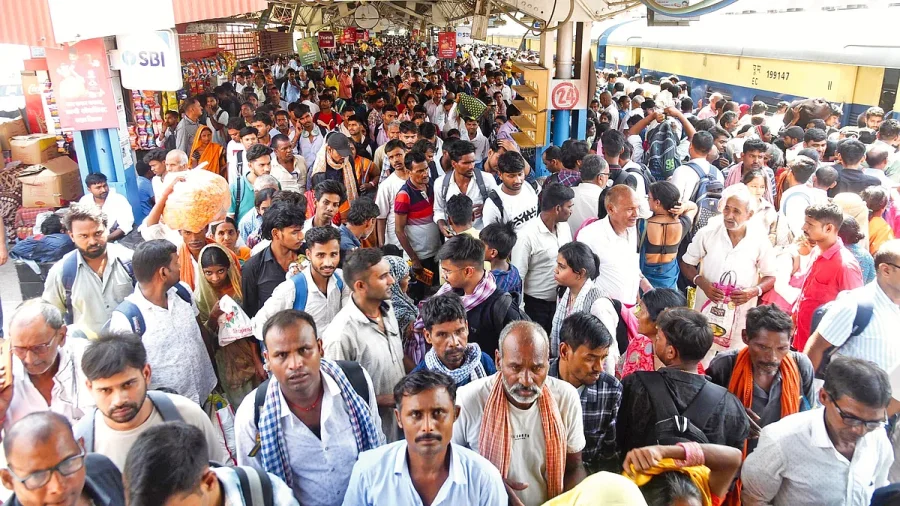
India’s Census 2027 has finally begun, six years behind schedule, and it arrives with a quiet but palpable sense of unease. For the first time, the decennial exercise is fully digital — a move the government calls a leap of modernisation. But as nearly 33 lakh government schoolteachers and frontline workers fan out across the nation in punishing summer heat, smartphones in hand, a fundamental question hangs in the air: will this digital census count everyone fairly?
The Promise of a Digital Leap
The government’s vision for a digital census is compelling. Real-time data uploads, provisional results available in days, and final figures released in months rather than years. Built-in validation checks and geo-tagging are intended to reduce transcription errors and undercounting, while digital dashboards offer administrators better oversight. The promise is a more accurate, efficient, and transparent count.
Why Public Unease is Growing
Despite the technological promise, public unease is unusually high. For millions of Indians, especially in rural and remote areas, a smartphone is not a tool of empowerment but a source of suspicion. Privacy concerns are acute. Who will have access to this data? How will it be secured? The fear of data misuse, identity theft, or surveillance is real and widespread. This distrust could lead to non-participation or deliberate misinformation, undermining the very accuracy the digital system promises.
The Human Cost of the Count
The burden of the digital census falls heavily on frontline workers — mostly schoolteachers. They are not trained data collectors or tech support staff. They are educators, now tasked with navigating a 33-question schedule on a smartphone, often in areas with poor network connectivity, unreliable electricity, and extreme weather. The punishing summer heat adds another layer of hardship. Their success or failure will directly determine the quality of the data collected.
The Digital Divide: Who Gets Left Behind?
The most critical challenge is the digital divide. India’s internet penetration, while growing, is far from universal. Millions of households, particularly in rural India, lack reliable internet access or a smartphone. Elderly citizens, people with disabilities, and those in remote tribal areas are at high risk of being excluded. A digital census that cannot reach these populations will produce a skewed count, failing its constitutional mandate to count every person.
Official Response and the Path Forward
The government has acknowledged these challenges, emphasising that the digital system includes offline data collection modes and that enumerators are trained to assist households. However, critics argue that the infrastructure on the ground — from network towers to device availability — is not yet ready for a task of this scale. The success of the census will depend on how effectively these gaps are bridged in real time.
What a Fair Count Really Means
A fair census is not just about technology. It is about trust, inclusion, and representation. The data collected determines political representation, allocation of government funds, and policy planning for the next decade. If the digital census fails to count the most vulnerable — the poor, the illiterate, the remote — it will entrench existing inequalities. Fairness means ensuring that every person, regardless of their digital access, is seen and counted.
Confirmed Facts vs What Remains Unclear
Confirmed: The Census 2027 is India’s first fully digital exercise. Nearly 33 lakh government schoolteachers and frontline workers are conducting the survey. The schedule includes 33 questions. Part 1 of the exercise is currently underway. Unclear: The exact number of households without internet access. The specific data security protocols in place. The extent of training provided to enumerators. The government’s contingency plan for areas with no connectivity.
Risks and Balanced View
Supporters argue that digitalisation is inevitable and will bring long-term efficiency. Critics warn that rushing into a digital census without addressing the digital divide and privacy concerns could lead to a flawed count. The risk of undercounting marginalised communities is high. The balance lies in whether the government can provide robust offline alternatives, ensure data security, and build public trust.
The Wider Pattern: India’s Digital Push
This census is part of a broader push by the Indian government to digitise public services, from Aadhaar to digital payments. While these initiatives have brought efficiency, they have also raised persistent questions about exclusion, privacy, and the digital divide. The Census 2027 will be a critical test of whether India’s digital infrastructure can truly serve all its citizens.
Practical Guidance for Citizens
If you are a household being surveyed, cooperate with the enumerator. Verify their identity. Ask questions about how your data will be used. If you face connectivity issues, inform the enumerator. If you are an enumerator, ensure you follow the training protocols and report any technical issues promptly. For citizens concerned about privacy, the government has stated that census data is protected under the Census Act, 1948, and is not shared with any other department.
Future Outlook
The success of Census 2027 will be judged not by the speed of results but by the accuracy of the count. If the digital system can overcome the challenges of connectivity, trust, and inclusion, it could set a new standard for future censuses. If it fails, it will deepen the digital divide and erode public faith in government data. The next few months will be decisive.
Our Take
India’s first digital census is a bold experiment, but technology alone cannot guarantee fairness. The true measure of success will be whether the most marginalised citizen in the most remote village is counted as accurately as the urban elite. The government must prioritise trust-building, offline alternatives, and enumerator support over the allure of digital dashboards. A fair census is not a technological achievement — it is a democratic one.
Frequently Asked Questions
What is India’s Census 2027?
India’s Census 2027 is the first fully digital decennial census, conducted by the government to count every resident in the country. It uses smartphones and digital tools for data collection, replacing traditional paper forms.
Why is the Census 2027 delayed?
The census was originally scheduled for 2021 but was delayed due to the COVID-19 pandemic. It finally began in 2027, six years behind schedule.
Who is conducting the Census 2027?
Nearly 33 lakh government schoolteachers and frontline workers are conducting the household survey, using smartphones to complete a 33-question schedule.
What are the main concerns about the digital census?
Key concerns include privacy and data security, the digital divide excluding vulnerable populations, the burden on enumerators, and the risk of undercounting in areas with poor connectivity.