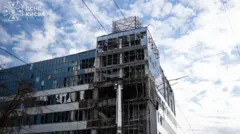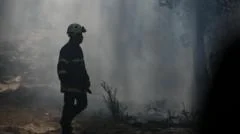
Firefighters in south-west France are bracing for a dangerous escalation as wildfires in the Gironde region flare up just as a new heatwave pushes temperatures towards 40°C on Wednesday. The combination of extreme heat and dry conditions threatens to undo weeks of containment work, putting homes and vast forest areas at renewed risk.
Gironde wildfires intensify as heatwave returns
The Gironde region, already scarred by devastating fires in recent summers, is facing another critical moment. Officials confirmed that flames have reignited in several areas, forcing fire crews to scramble as temperatures climb. The heatwave, expected to peak midweek, could create a "perfect storm" for fire spread, with low humidity and strong winds adding to the danger.
Why the 40°C heatwave complicates firefighting
Extreme heat dries out vegetation, turning forests into tinderboxes. For firefighters, temperatures above 40°C also strain human endurance and equipment. Water supplies evaporate faster, and aircraft used for aerial bombing face reduced performance in hot, thin air. The Gironde prefecture has warned that containment lines established after earlier blazes may not hold under such conditions.
Timeline of a tense summer
France has endured a series of wildfires this year, with Gironde among the hardest-hit areas. Previous heatwaves in June and July sparked massive blazes that destroyed thousands of hectares of pine forest and forced mass evacuations. The current flare-up follows a brief period of relative calm, but the return of extreme heat has reversed progress.
Who is affected and what is at stake
Residents in rural communes near the fire zones face the most immediate threat. Many have already experienced evacuations earlier this summer and are now on edge again. Beyond property, the fires threaten biodiversity in the Landes forest, a vital ecological and economic resource. Smoke plumes have also raised air quality concerns for cities like Bordeaux, located downwind.
Firefighters and authorities on high alert
The Gironde fire service has mobilized additional crews, including reinforcements from other regions. "We are preparing for a very difficult day," a spokesperson told local media. The government has activated crisis coordination centers, and evacuation plans are being reviewed. Residents are advised to monitor official channels and avoid unnecessary travel in affected zones.
What the heatwave means for fire behavior
Meteorologists explain that 40°C heat combined with dry air creates extreme fire weather. Fires can spread faster, jump firebreaks, and generate their own weather patterns, including fire tornadoes. The situation is particularly dangerous because the heatwave follows a dry spell, meaning the landscape is primed to burn.
Confirmed facts vs what remains unclear
Confirmed: Temperatures are forecast to reach 40°C in parts of Gironde on Wednesday. Firefighters have reported flare-ups in multiple locations. Evacuation protocols are active. Unclear: The exact size of the burned area from the latest flare-ups. Whether containment lines will hold. If any injuries or property losses have occurred. Officials have not yet released detailed damage assessments.
Risks and balanced view
While firefighters are experienced and well-equipped, the scale of the heatwave poses unprecedented challenges. Critics argue that France’s forest management and fire prevention strategies need urgent reform, especially as climate change makes such events more frequent. Some residents have expressed frustration over what they see as slow official responses. However, authorities maintain that resources are being deployed as quickly as possible given the extreme conditions.
Wider trend: Europe’s wildfire crisis deepens
France is not alone. Southern Europe, from Spain to Greece, has seen a surge in wildfires this summer, driven by repeated heatwaves linked to climate change. Scientists warn that such extreme fire seasons are becoming the new normal, requiring long-term investments in fire-resistant infrastructure, early warning systems, and community preparedness.
Practical guidance for residents and travelers
If you are in or near the Gironde fire zones: Stay tuned to local news and official alerts. Prepare a go-bag with essentials. Avoid roads near active fires. Keep windows and doors closed to reduce smoke inhalation. Do not attempt to fight fires yourself. For travelers, check with your accommodation provider and avoid non-essential travel to affected areas until conditions improve.
What happens next
The next 48 hours are critical. If the heatwave peaks as forecast, firefighters will face their toughest test yet. Cooler temperatures and possible rain are expected later in the week, but until then, the region remains on a knife-edge. Authorities will reassess containment strategies after Wednesday’s heat peak.
Our Take
The Gironde wildfires are a stark reminder that climate change is not a distant threat—it is here, burning through European summers. This story matters because it affects real people, real homes, and a way of life. The bravery of firefighters is undeniable, but the underlying question remains: how prepared are we for a future where 40°C heatwaves and wildfires are routine? The answer, so far, is not enough.
Frequently Asked Questions
Where exactly are the wildfires in south-west France?
The fires are concentrated in the Gironde department, particularly in the Landes forest region near the Atlantic coast. Key areas include La Teste-de-Buch and Landiras, which have seen major blazes in previous summers.
Why is 40°C heat dangerous for wildfires?
At 40°C, vegetation becomes extremely dry and flammable. Heat also reduces the effectiveness of firefighting efforts, as water evaporates quickly and aircraft performance drops. Combined with low humidity and wind, it creates conditions for rapid, unpredictable fire spread.
Should I cancel my trip to Bordeaux or Gironde?
Check official travel advisories from French authorities and your home country. If your trip is non-essential, consider postponing. If you must travel, stay away from active fire zones and follow local guidance. Air quality may also be affected in Bordeaux.
How can I help those affected by the fires?
Donate to reputable organizations like the French Red Cross or local firefighter support funds. Avoid sending physical goods unless coordinated with official relief efforts. Share verified information to combat misinformation during the crisis.