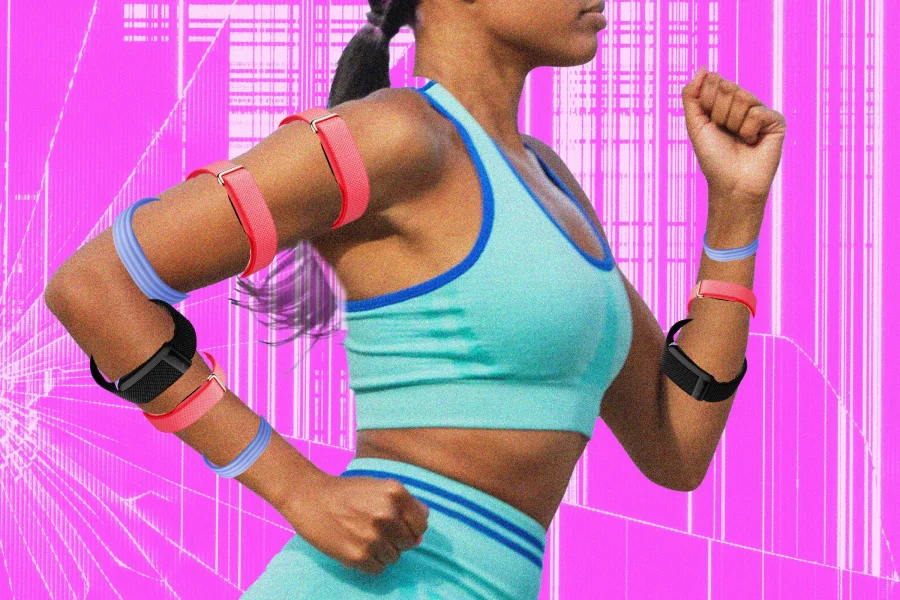
The ping. The buzz. The glow of another screen demanding your thumb. For millions, the promise of the smartwatch—total connectivity—has curdled into a low-grade anxiety loop. We check our wrists not for the time, but for the next interruption. Now, a counter-movement is taking shape. A new breed of wearables is betting that the future of health tracking isn't about keeping you connected, but about letting you disconnect.
The Quiet Rebellion Against Notification Fatigue
These new devices are built on a simple, almost radical premise: your health data is too important to be buried under a pile of notifications. Instead of a vibrant touchscreen, they often feature a minimalist e-ink display or no screen at all. They don't buzz for every email, message, or social media alert. They are designed to be seen, not heard—to collect data in the background and let you check in on your own terms.
Why the Shift From Constant Connection to Calm Collection?
The move is a direct response to a growing cultural reckoning with our digital habits. The always-on, always-notified lifestyle has been linked to increased stress, anxiety, and a fractured attention span. For many, the smartwatch, once a symbol of efficiency, has become another source of digital noise. These minimalist wearables offer an alternative: a way to gain insights into your body without sacrificing your peace of mind. They appeal to a desire for technology that serves us, not the other way around.
From Wrist Computer Back to Health Companion
This isn't a complete rejection of wearable technology. Instead, it's a re-focusing on its original purpose. Early fitness trackers were simple: steps, sleep, activity. The smartwatch added a thousand other features, many of which have little to do with health. The new minimalist wave is about stripping away the extras to return to the core promise of a health companion. It's a move from a "wrist computer" back to a "health tool," one that respects your attention as much as it tracks your heart rate.
Who Is This Quiet Tech Actually For?
The target audience is anyone who feels a sense of dread when their watch buzzes. It's for the professional who wants to track their sleep without being woken by a work email. It's for the parent who wants to monitor their activity without being distracted from their children. It's for the individual who is actively trying to reduce their screen time and is looking for technology that supports that goal. This is tech for the mindful, the overwhelmed, and the intentionally disconnected.
What the Big Players Are Watching
While no major smartwatch maker has officially pivoted to this minimalist model, the trend is a clear signal. It validates a growing user sentiment that "less is more." If these quieter devices gain traction, it could force larger companies to rethink their notification-heavy interfaces. We may see a future where "focus mode" isn't a setting you have to switch on, but the default experience, with notifications as the opt-in feature.
Decoding the Appeal: It's About Attention, Not Just Data
The deeper story here is about the economics of attention. The traditional smartwatch business model often relies on keeping users engaged with their devices. These minimalist wearables challenge that model by suggesting that the most valuable feature is the ability to be ignored. They are selling a feeling—calm, focus, and control—as much as they are selling a piece of hardware. The value proposition isn't just "track your health," but "track your health without losing your focus."
What's Clear and What's Still a Question Mark
Confirmed: The original story confirms a new category of wearables is emerging with the explicit goal of collecting health data without demanding user attention. This is a direct response to the problem of notification overload.
Unclear: The long-term appeal of these devices is unproven. Will users sacrifice the convenience of on-wrist notifications for a calmer experience? Can these companies build a sustainable business without the data-driven engagement of traditional smartwatches? The market's response will be the ultimate test.
The Quiet Wearable's Competitive Edge
The core differentiator for these companies isn't a better sensor or a longer battery life—though those help. It's their philosophy. Their moat is the emotional connection they build with users who feel seen and understood. They are not competing on features; they are competing on a lifestyle choice. They offer a form of digital detox that is integrated into a device you wear daily, making the choice to disconnect a constant, physical reminder of your intentions.
Weighing the Benefits Against the Trade-Offs
The Appeal: Reduced anxiety, improved focus, a more mindful relationship with technology, and a simpler, more intentional user experience.
The Trade-Offs: You lose the convenience of seeing important messages at a glance. You may miss time-sensitive alerts. And for some, the lack of a screen might feel like a step backward from the advanced capabilities they've come to expect from a wearable.
A Symptom of a Larger Digital Wellness Movement
This trend is part of a broader shift toward digital wellness. From screen time trackers on our phones to the rise of "dumb phones" for those seeking a break, there's a clear and growing demand for technology that respects our mental space. The minimalist wearable is the next logical step in this movement, applying the principles of digital minimalism to the device that is most physically attached to us.
What Should You Consider Before Buying One?
If you're intrigued by the idea of a quieter wearable, first assess your own needs. Are you trying to escape the noise, or do you rely on your watch for critical alerts? Consider what health metrics are most important to you—is it just steps and sleep, or do you need advanced features like ECG or blood oxygen monitoring? Most importantly, think about your relationship with your current device. If your smartwatch causes more stress than it solves, a minimalist alternative might be worth exploring.
Where This Quiet Revolution Could Go Next
The future of this trend will likely see these devices becoming even more invisible. We can expect better integration with smart rings and other discreet form factors. The focus will shift from the device itself to the insights it provides, delivered in a way that is less intrusive—perhaps a weekly summary email instead of a daily buzz. The ultimate goal is a wearable that is so seamlessly integrated into your life that you forget you're wearing it, but you never miss the insights it provides.
Our Take
The rise of the minimalist wearable is more than a tech trend; it's a cultural statement. It signals a collective exhaustion with the attention economy and a desire to reclaim our focus. While the smartwatch isn't going away, this movement serves as a crucial counterbalance, reminding the industry that the most powerful technology is often the one that knows when to stay quiet. It's a small but significant step toward a future where our devices serve our well-being, not our anxiety.
Frequently Asked Questions
What are minimalist wearables?
Minimalist wearables are a new category of health-tracking devices designed to collect data like steps, sleep, and heart rate without the constant notifications and distractions of a traditional smartwatch. They prioritize a calm, background approach to tracking.
How do they differ from a standard smartwatch?
The main difference is the user experience. Smartwatches are designed for constant engagement with apps and notifications. Minimalist wearables are designed to be passive, often using simple displays or no screen at all, and require you to actively check for data rather than being alerted to it.
Who is a minimalist wearable best for?
They are best for people who feel overwhelmed by notification overload, are trying to reduce their screen time, and want health insights without the constant interruption. It's for those who value focus and peace of mind over on-wrist connectivity.
Will I miss important notifications if I switch?
Yes, you will likely miss real-time notifications. These devices are designed to limit interruptions. If you rely on your watch for critical, time-sensitive alerts, you may need to keep your phone nearby or consider whether this type of device is the right fit for your needs.