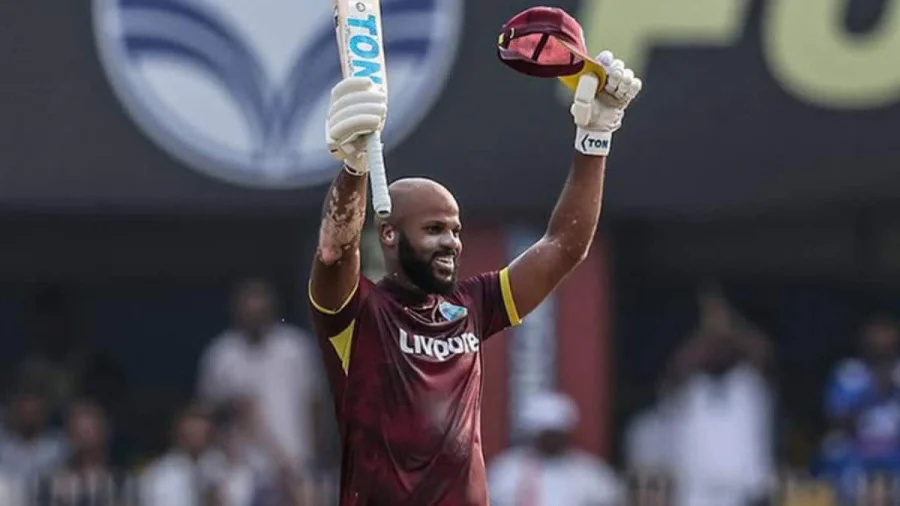
Sixty-five balls. That's all John Campbell needed to carve his name into the record books. On a floodlit evening in Guwahati, the West Indies opener dismantled India's bowling attack with an innings that was equal parts power and precision — and the Barsapara Stadium crowd, largely partisan, could only watch in stunned admiration.
A Record That Took Just 65 Deliveries to Build
Campbell's century is now the fastest ODI hundred by a West Indies batter against India. It also ranks as the fifth-fastest ODI century overall for the Caribbean side — a list populated by some of the most destructive hitters the game has seen.
What made the knock stand out wasn't just the speed. It was the method. Campbell, a left-hander known for his timing, mixed clean, orthodox strokeplay with brutal acceleration, never letting the Indian bowlers settle into a rhythm.
Why This Innings Matters Beyond the Scoreboard
For West Indies cricket, this is more than a statistical footnote. The team has spent years searching for consistency at the top of the order in the fifty-over format. Campbell's innings offered a glimpse of what the side can do when its openers fire.
For India, it raises uncomfortable questions. On a surface where the home captain chose to bowl first, his bowlers conceded at a rate that would trouble any captain. The decision to field — a common choice in Guwahati's evening conditions — now looks like a gamble that backfired.
How the Innings Unfolded
India won the toss and elected to bowl. Campbell opened alongside Keacy Carty, and the pair put on 37 for the first wicket before Carty fell for 9. That early breakthrough could have slowed the visitors. Instead, it brought Shai Hope to the crease — and the partnership that followed changed the tempo entirely.
Campbell, already set, took charge. He attacked the powerplay, rotated strike intelligently through the middle overs, and then shifted gears again as the century approached. The 65-ball landmark arrived with the kind of inevitability that defines a batter in complete control.
The Partnership That Shifted the Game
Campbell's alliance with Hope became the spine of the West Indies innings. Where Carty's dismissal might have exposed a fragile middle order, Hope's calm presence at the other end allowed Campbell to bat with freedom.
Together, they absorbed pressure, punished loose deliveries, and kept the scoreboard moving. For India, the challenge compounded: every bowling change was met with a counter-attack, and every fielding adjustment seemed a step behind.
What India's Bowlers Got Wrong
Bowling first under lights in Guwahati is rarely a straightforward task. The ball tends to come onto the bat nicely, and the outfield rewards timing. But India's attack struggled to find consistent lines, offering Campbell too many scoring opportunities in his preferred zones.
The lack of early wickets after Carty's dismissal proved costly. Without pressure at both ends, Campbell and Hope were able to dictate terms — a familiar problem for India in ODI cricket when the opening partnership is broken but not built upon.
Confirmed Facts vs What Remains Unclear
Confirmed: Campbell reached his century in 65 balls. It is the fastest ODI hundred by a West Indies batter against India and the fifth-fastest overall for West Indies in ODIs. India won the toss and chose to bowl. Carty was dismissed for 9, with the first wicket falling on 37.
Unclear: The final match result, the exact composition of the West Indies total, and whether Campbell's innings translates into a winning cause remain to be seen. Individual milestones, however spectacular, don't guarantee team success — a point West Indies fans know all too well.
Risks and the Balanced View
One innings, however brilliant, doesn't solve deeper issues. West Indies cricket has produced spectacular individual performances before, only to falter in the games that follow. The challenge for Campbell and his teammates is consistency — turning a statement knock into a sustained run of form.
For India, the concern is broader. A bowling attack that concedes a 65-ball century at home raises questions about rotation, death-bowling plans, and the balance of the side. One bad evening isn't a crisis, but patterns matter in the lead-up to major tournaments.
The Wider Pattern: West Indies' Power Hitting Renaissance
Campbell's knock fits into a broader trend. West Indies batters have always been associated with explosive hitting, but the modern ODI game has seen the Caribbean side produce more frequent, if inconsistent, moments of brilliance. The challenge has never been talent — it's been converting those moments into series-defining performances.
For India, the pattern is different but equally familiar: home conditions that should favour the hosts occasionally producing flat, high-scoring surfaces where the toss and execution matter more than reputation.
What This Means for the Series
The 2nd ODI now carries added weight. West Indies, buoyed by Campbell's innings, have a platform to level or take the series. India, meanwhile, must respond — both with the ball in the remaining overs and with the bat when their turn comes.
For fans, the takeaway is simple: this series just became far more interesting. A record-breaking innings has a way of shifting momentum, and West Indies will be desperate to ride it.
Future Outlook
Campbell's name will now sit alongside some of the great West Indies ODI innings. Whether it becomes a footnote in a losing cause or the turning point of a series depends on what happens next. India's response with the bat will be closely watched — and so will Campbell's ability to back up this performance in the matches to come.
Our Take
Records are made in moments, but careers are built on repetition. Campbell's 65-ball century is a genuine achievement — fast, fearless, and technically sound. But the real story of this series won't be written by one innings. It will be written by whether West Indies can build on it, and whether India can find answers before the pressure mounts further.
For now, though, the night belongs to Campbell. And Guwahati witnessed something special.
Frequently Asked Questions
How many balls did John Campbell take for his century against India?
John Campbell reached his century in just 65 balls during the 2nd ODI against India at Barsapara Stadium, Guwahati.
Is this the fastest ODI century by a West Indies batter against India?
Yes. Campbell's 65-ball hundred is the fastest ODI century by a West Indies batsman against India. It is also the fifth-fastest ODI century overall for West Indies.
What happened after India won the toss in the 2nd ODI?
India won the toss and elected to bowl first. Keacy Carty was dismissed for 9, with the first wicket falling on 37. Campbell then built a dominant partnership with Shai Hope.
Did Campbell's century guarantee a West Indies win?
No. While Campbell's innings put West Indies in a strong position, the match outcome depends on the remaining overs and India's response with the bat. Individual records don't guarantee team results.