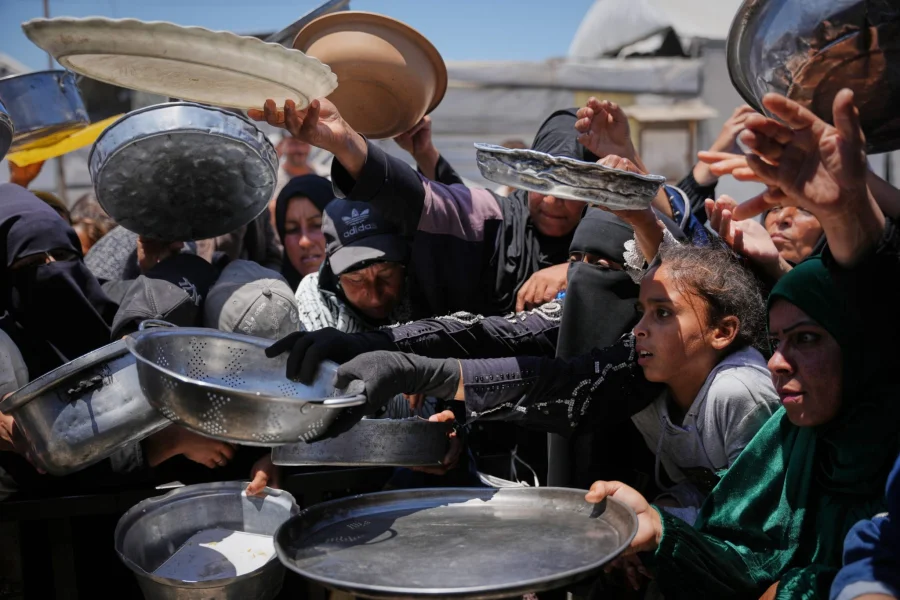
The United Nations food agency is cutting food assistance in the West Bank by half — a decision that will strip support from 200,000 people who depend on it for survival. The move comes as food needs across the region have more than doubled since 2023, creating a humanitarian gap that aid workers say is widening by the day.
What the WFP funding cut means for West Bank families
The U.N. World Food Program announced Tuesday it will reduce assistance in the West Bank from 400,000 people to 200,000, effective this month. The decision stems from severe funding shortages that have left the agency unable to maintain its current reach.
For families already struggling with rising food prices and restricted movement, losing access to monthly food parcels could push them deeper into food insecurity. The WFP has not specified which areas or households will be affected first.
Why food needs in the West Bank have doubled since 2023
Food requirements in the West Bank have surged over the past two years, driven by economic contraction, job losses, and escalating tensions. The WFP's reduced capacity comes at the worst possible time — just as more families are seeking help.
The funding crisis is not limited to the West Bank. In Gaza, the agency has already cut cash assistance by 40% for 375,000 people in July. Claire Nevill, WFP spokesperson for the Palestinian territories, told The Associated Press that reductions are already affecting around 75,000 families in Gaza.
How the funding shortage developed
The WFP has faced mounting financial pressure as donor contributions have not kept pace with rising humanitarian needs across the Palestinian territories. The agency now supports 1.5 million people in Gaza alone, a figure that has stretched its resources to the limit.
"In Gaza we've already had to start reducing the amount of cash that we're giving to around 75,000 families," Nevill said. "Now, the same is happening for WFP's West Bank operations."
Who is affected by the West Bank food assistance cuts
The 200,000 people losing assistance include vulnerable households — families with children, elderly members, and those who have lost livelihoods due to the ongoing conflict. Many have no alternative safety net.
Humanitarian workers warn that the cuts will likely increase reliance on informal support networks and could worsen malnutrition rates, particularly among children and pregnant women.
What the WFP says about the funding crisis
Nevill's statement underscores the agency's difficult position: it is being forced to choose between reducing support in one region or another. The WFP has repeatedly called on donor governments to step up contributions, but funding has not materialized at the required scale.
The agency has not provided a specific funding gap figure for the West Bank, but the scale of the reduction — 50% of its caseload — indicates the shortfall is substantial.
What the funding cuts reveal about the broader humanitarian crisis
The WFP's decision is a stark indicator of how severely humanitarian operations in the Palestinian territories are underfunded. With needs rising and resources shrinking, aid agencies are being forced into impossible triage decisions.
The situation also highlights the growing dependency of Palestinian families on international food assistance — a dependency that is becoming less reliable as global humanitarian budgets face strain.
Confirmed facts vs what remains unclear
Confirmed: WFP is halving West Bank assistance from 400,000 to 200,000 people. Gaza cash assistance was cut by 40% for 375,000 people in July. WFP supports 1.5 million people in Gaza. Food needs in the West Bank have more than doubled since 2023.
Unclear: Which specific West Bank communities will lose assistance first. The exact funding shortfall figure. Whether additional donor funding will arrive before further Gaza cuts become necessary.
Risks and concerns around the WFP cutbacks
Humanitarian experts warn that reducing food assistance in the West Bank could have cascading effects — increased household debt, reduced school attendance as children are sent to work, and heightened social tensions in communities already under stress.
There are also concerns that the cuts could disproportionately affect women-headed households, who often have fewer income options and are more reliant on external support.
How the West Bank situation fits into the wider regional pattern
The funding crisis affecting WFP operations in the West Bank and Gaza reflects a broader trend of shrinking humanitarian budgets globally. Multiple crises around the world are competing for finite donor resources, and the Palestinian territories are not immune to these pressures.
The doubling of food needs since 2023 also mirrors patterns seen in other conflict-affected regions, where prolonged instability erodes local economies and forces populations into aid dependency.
What affected families and observers should know now
Families currently receiving WFP assistance in the West Bank should prepare for reduced or halted support in the coming weeks. Local organizations and community networks may be able to provide interim support, but formal alternatives are limited.
Observers and advocates can monitor WFP announcements for updates on which areas are affected and whether new funding changes the trajectory. Donor governments face increasing pressure to respond before the situation deteriorates further.
What happens next for food assistance in the West Bank and Gaza
The WFP has made clear that without new funding, further cuts in Gaza are unavoidable. The agency's ability to restore West Bank assistance to previous levels depends entirely on donor response in the coming months.
If funding does not arrive, the humanitarian footprint in the Palestinian territories will shrink further — at a time when needs are at their highest in years.
Our Take
This is not just a budget story — it is a story about how the world's most vulnerable populations bear the cost when international solidarity weakens. The WFP's decision to halve West Bank assistance is a measured response to an impossible situation, but the human cost will be measured in empty plates and missed meals.
The doubling of food needs since 2023 should be a wake-up call. The international community has the resources to prevent this crisis from deepening; what is lacking is the political will. Until that changes, aid agencies will continue to be forced into choices no humanitarian organization should have to make.
Frequently Asked Questions
Why is the WFP halving food assistance in the West Bank?
The U.N. World Food Program is reducing West Bank assistance from 400,000 to 200,000 people due to severe funding shortages. The agency does not have enough donor contributions to maintain its current level of operations.
How many people are affected by the West Bank food aid cuts?
Approximately 200,000 people in the West Bank will lose food assistance starting this month. The WFP has not yet specified which communities will be affected first.
Is Gaza also affected by the WFP funding crisis?
Yes. The WFP reduced cash assistance by 40% for 375,000 people in Gaza in July. The agency warns further cuts are unavoidable unless new funding is secured. It currently supports 1.5 million people in Gaza.
What can be done to prevent further cuts?
New funding from donor governments is the only way to prevent additional reductions. The WFP has called on the international community to step up contributions to meet rising humanitarian needs in the Palestinian territories.