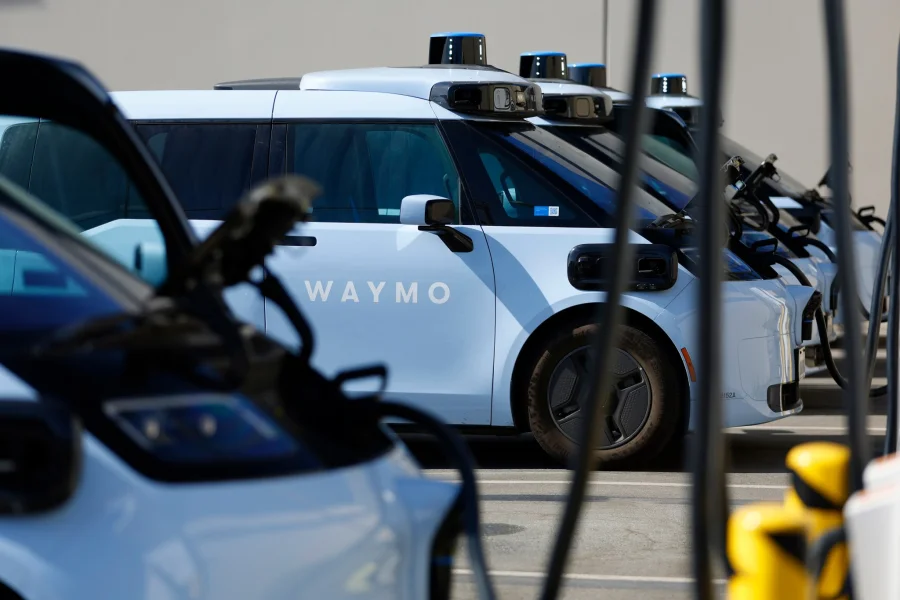
Singapore's streets could soon host a different kind of traffic — driverless cars navigating the city-state's famously orderly roads. Waymo, the U.S. autonomous vehicle company, announced on Sept. 18 that it plans to launch its robotaxi service in Singapore by 2028, marking its first foray into Southeast Asia.
The announcement came just days after Waymo revealed plans to enter Japan, its first Asian market. Together, the moves signal an aggressive global expansion strategy for a company that has spent years refining its technology on American roads.
Why Singapore, and Why Now?
Singapore has long positioned itself as a testing ground for urban innovation. Its compact geography, well-maintained infrastructure, and government openness to smart-city technologies make it an attractive market for autonomous vehicles.
Waymo co-CEO Tekedra Mawakana praised the city-state's transportation ecosystem in a Sept. 18 press release, calling it "one of the safest, most efficient and most forward-thinking" in the world. She added that Waymo is committed to "listening to the community, creating high-skilled local operational jobs" and complementing Singapore's public transit network.
For Waymo, Singapore offers more than just a new market — it offers a credibility boost. Success in a city known for strict regulation and high safety standards could strengthen the company's case for expansion elsewhere in Asia.
The Road From Phoenix to Southeast Asia
Waymo's journey to Singapore didn't happen overnight. The company, owned by Google parent Alphabet, has been operating commercial robotaxi services in cities like Phoenix, San Francisco, and Los Angeles for several years.
Its expansion into Europe — with announced plans for Germany and the UK — and now Asia reflects a maturing business model. But each new market brings distinct regulatory frameworks, driving cultures, and public expectations.
Japan, announced just days before the Singapore news, represents Waymo's first Asian market. Singapore will be its second — and its first in Southeast Asia.
What This Means for Singaporean Commuters
For residents of Singapore, the arrival of robotaxis could mean more options for short trips, late-night travel, and connections to areas underserved by public transit. But it could also raise questions about job displacement for taxi and private-hire drivers.
Waymo has emphasized local hiring for operational roles, but the long-term impact on traditional driving jobs remains uncertain. Similar debates have played out in U.S. cities where robotaxis have launched.
Public trust will be critical. Singaporeans are accustomed to high standards of safety and efficiency. Any high-profile incident involving a Waymo vehicle could set back adoption significantly.
Regulatory Hurdles and Official Response
Singapore's Land Transport Authority (LTA) has previously shown openness to autonomous vehicle trials, but full commercial deployment requires extensive approvals. Waymo's 2028 timeline suggests a multi-year process of testing, certification, and community engagement.
The company has not disclosed specific details about the number of vehicles, service areas, or pricing. Those decisions will likely depend on regulatory negotiations and pilot program outcomes.
Singapore's government has not yet issued a detailed public statement on Waymo's announcement. Officials have historically taken a cautious, phased approach to autonomous vehicle deployment.
Confirmed Facts vs. What Remains Unclear
Confirmed: Waymo announced plans to launch in Singapore by 2028. It will be the company's first Southeast Asian market. The announcement follows similar plans for Japan, Germany, and the UK.
Unclear: The exact launch date, service area, fleet size, pricing model, and regulatory approval timeline. Whether Waymo will partner with a local operator or government entity has not been confirmed.
Speculation: Analysts may view this as a strategic move to counter competitors like Tesla, which has also expressed interest in autonomous driving in Asia. However, no direct competitive response has been reported.
Waymo's Competitive Edge — and Its Limits
Waymo's key advantage lies in its years of real-world testing and its proprietary self-driving technology, which uses a combination of lidar, radar, and cameras. Unlike some competitors, Waymo has avoided overpromising timelines — a factor that has bolstered its credibility.
But the company faces challenges. Scaling operations across different countries requires adapting to local traffic laws, weather conditions, and cultural driving norms. Singapore's tropical climate, with heavy rains, could test the system's reliability.
Additionally, the robotaxi market is becoming crowded. Companies like Cruise, Tesla, and various Chinese firms are all racing to deploy autonomous services globally.
Risks and the Road Ahead
Waymo's Singapore plan is ambitious but not guaranteed. Regulatory delays, technical setbacks, or public backlash could push back the 2028 timeline.
There are also ethical and economic questions. Will robotaxis reduce the need for human drivers? Will they be accessible to all income groups, or primarily serve affluent areas? These concerns have surfaced in every market Waymo has entered.
For now, Waymo is in listening mode. The company says it will engage with Singaporean communities and stakeholders before finalizing plans.
A Broader Shift in Global Mobility
Waymo's Singapore announcement is part of a larger trend: the globalization of autonomous mobility. What was once a Silicon Valley experiment is now a global race.
Countries in Asia, Europe, and the Middle East are all vying to become early adopters of robotaxis. Singapore's decision to welcome Waymo — even tentatively — signals its intent to stay ahead of the curve.
If successful, the Singapore launch could serve as a blueprint for other Southeast Asian cities, from Bangkok to Jakarta.
What Should Readers Watch For?
For Singaporeans, the key milestones will be regulatory approvals, pilot program announcements, and public trials. For investors and industry watchers, Waymo's ability to execute in Japan and Singapore will be a test of its global scalability.
For now, the 2028 timeline gives Waymo time to adapt — and gives Singapore time to decide how much of its streets it wants to share with robots.
Future Outlook
If Waymo meets its 2028 target, Singapore could become a showcase for autonomous mobility in Asia. But the path from announcement to operation is long, and success depends on factors beyond technology — including public trust, regulatory cooperation, and economic viability.
Waymo's global ambitions are clear. Whether it can deliver on them remains an open question.
Our Take
Waymo's Singapore announcement is a vote of confidence in the city-state's infrastructure and regulatory environment. But it's also a reminder that autonomous vehicles are still in their infancy globally. The technology works — but scaling it across borders is a different challenge altogether.
For Singapore, the arrival of robotaxis could be transformative. For Waymo, it's a high-stakes test of whether a U.S. success story can travel.
Frequently Asked Questions
When will Waymo launch in Singapore?
Waymo plans to launch its robotaxi service in Singapore by 2028. However, the exact date depends on regulatory approvals and operational readiness.
Is Waymo already operating in Asia?
No. Waymo announced plans to enter Japan just days before the Singapore announcement. Both markets are planned for future launch, not current operation.
Will Waymo replace taxis and private-hire drivers in Singapore?
Waymo says it aims to complement Singapore's public transit network and create local jobs. However, the long-term impact on traditional driving jobs is uncertain and will depend on adoption rates and regulations.
What makes Singapore attractive for robotaxis?
Singapore has well-maintained roads, strict safety standards, a compact geography, and a government open to smart-city technologies — all factors that make it ideal for autonomous vehicle testing and deployment.