An exam hall. A student caught cheating. Hours later, a life lost. And now, a professor at the centre of a storm he never asked for.
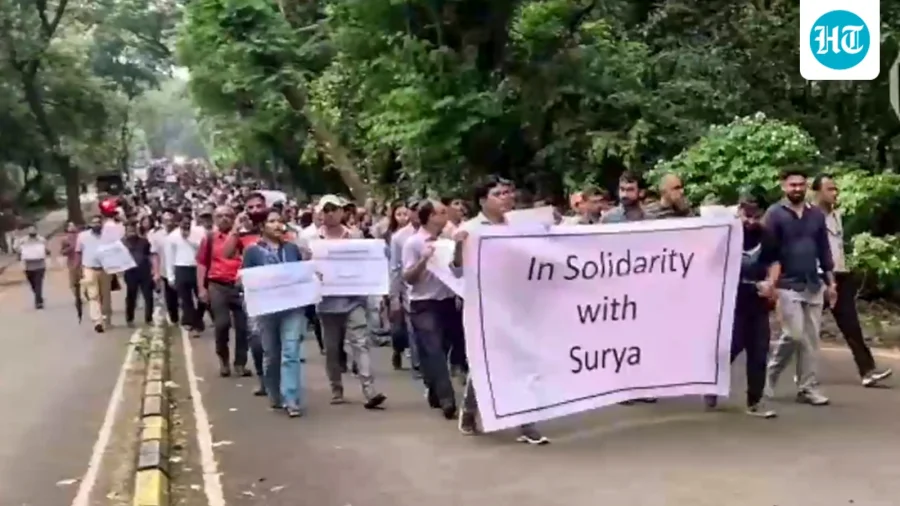
Faculty members from IIT Bombay, IIT Delhi and IIT Madras have come out in support of professor Suryanarayana Doolla, stating plainly that he was "simply discharging his duties" when he flagged a second-year BTech student for cheating. The student died by suicide hours after the incident.
The Exam Room Decision That Changed Everything
According to the original account, Doolla caught the student cheating during an examination. This is, by any institutional standard, a routine part of a faculty member's responsibility — invigilation and enforcement of academic integrity rules.
What followed, however, was anything but routine. The student's death has turned a disciplinary moment into a national conversation about pressure, protocol and the limits of institutional care.
Why Three IITs Speaking Together Matters
It is rare for faculty across separate IIT campuses to issue a coordinated defence of a colleague. When they do, it signals something deeper than personal loyalty — a collective anxiety about how professors are being positioned in cases involving student distress.
The message from the faculty is clear: enforcing exam rules is not cruelty. It is the job. The question is whether the system around that job — counselling, escalation, follow-up — is doing its part.
How the Situation Unfolded
The sequence, as reported, is stark. A student was found cheating. The professor acted on it. Hours later, the student was dead.
There is no verified public account yet of what transpired between the detection and the death — whether the student was counselled, whether parents were informed, whether any institutional support was offered in that window. That gap is now the centre of the controversy.
The Human Weight on Both Sides of the Desk
Behind the headlines are two sets of people under immense strain. A family grieving a child. A professor facing public scrutiny for doing what his role demands.
Students across IITs are watching closely. So are faculty, many of whom quietly admit they now hesitate before reporting misconduct — fearing exactly this kind of fallout.
What the Faculty Statements Actually Say
The supporting statements from IIT Bombay, Delhi and Madras faculty frame Doolla's action as standard, duty-bound and free of malice. They do not, based on available information, address the institutional response that followed.
That distinction matters. Defending a professor's conduct is not the same as defending a system's handling of a vulnerable student. Both conversations are now running in parallel.
Reading the Silence Around the Case
No verified official statement from IIT administration or from Doolla himself has been confirmed at the time of writing. That silence is itself being read in different ways — as caution, as protocol, or as an institution unsure how to respond.
In cases like this, what is not said often shapes public perception as much as what is.
Confirmed Facts vs What Remains Unclear
Confirmed: A second-year BTech student was caught cheating; professor Doolla was involved in detecting it; the student died by suicide hours later; faculty from three IITs have publicly backed Doolla.
Unclear: The exact sequence of events after detection, whether counselling was offered, what institutional protocol was followed, and the findings of any ongoing investigation. Any claim beyond this should be treated as speculation.
The Institutional Moat — and Its Blind Spot
The IITs are India's most trusted academic brand, built on rigour, selectivity and integrity. That reputation depends on faculty enforcing standards without fear.
But the same system that protects academic rigour must also protect student well-being. When one pillar appears to weaken the other, the institution's credibility is tested — not in rankings, but in public trust.
The Risks of Getting This Wrong
If faculty begin to avoid reporting misconduct out of fear of backlash, academic integrity erodes. If institutions fail to support students in distress, tragedies repeat.
Critics argue that exam-integrity enforcement needs a stronger human layer — immediate counselling, sensitised handling, and clear escalation paths. Supporters of Doolla argue that blaming a professor for doing his job sets a dangerous precedent. Both concerns are legitimate.
A Pattern India Cannot Ignore
This is not an isolated incident. Student suicides at premier institutions have surfaced repeatedly in recent years, prompting debates on counselling infrastructure, parental pressure and the culture of competitive stress.
What makes this case different is the spotlight on the faculty member — and the rare, coordinated defence of him by peers across campuses.
What Students, Parents and Faculty Should Take Away
Students: know that support systems exist, and use them early — before a single bad moment defines everything.
Parents: check in beyond marks. The pressure of elite institutions is real and often invisible.
Faculty: document every step, escalate through official channels, and insist on institutional backing when enforcing rules.
What Could Happen Next
The investigation into the student's death will likely determine how the case is ultimately framed. Institutional reviews of exam-misconduct protocol and student counselling may follow.
For professor Doolla, the faculty solidarity offers moral cover — but not closure. That will depend on what the facts ultimately show.
Our Take
This story is not about a professor versus a student. It is about a system that must hold two truths at once: rules matter, and so do the people who break under them. The IIT faculty's defence of Doolla is a defence of professional duty. It should not be read as indifference to a young life lost. A mature institution can — and must — do both.
Frequently Asked Questions
Who is professor Suryanarayana Doolla?
He is an IIT faculty member who was involved in catching a second-year BTech student cheating during an examination. The student died by suicide hours later, triggering a national debate.
Why are IIT Bombay, Delhi and Madras faculty supporting him?
Faculty from the three campuses have stated that Doolla was simply discharging his duties as an invigilator, and that enforcing academic integrity is a routine, legitimate part of a professor's role.
Was the student offered counselling after being caught?
There is no verified public information confirming whether counselling or institutional support was offered in the hours between the detection and the student's death. This remains a key unanswered question.
What does this case mean for academic integrity in India?
It highlights the tension between enforcing exam rules and protecting student mental health. Experts suggest institutions need stronger counselling systems and clearer protocols so that faculty can act without fear and students receive timely support.