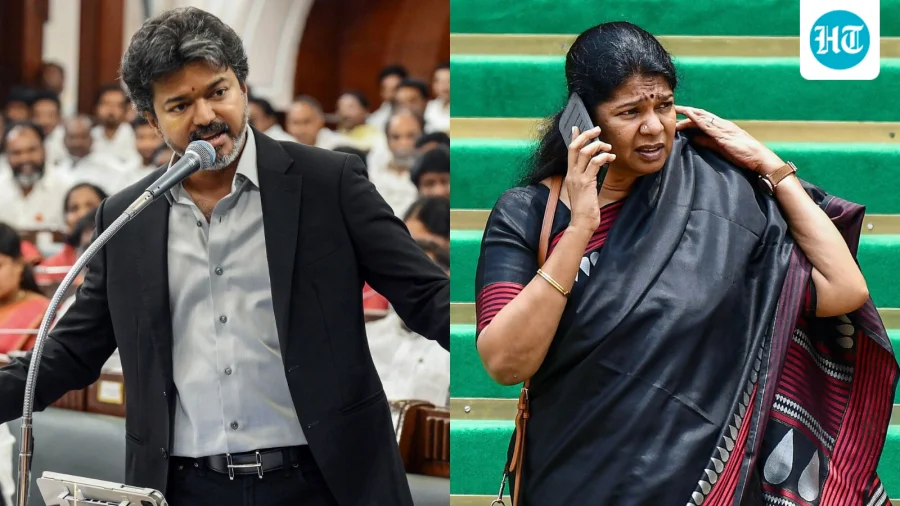
Within hours of announcing that the law and order department would be exempt from the Right to Information Act, the Vijay-led Tamil Nadu government found itself cornered — not just by the Opposition, but by its own allies. The reversal came swiftly, but the political damage may linger longer than the notification itself.
What the Government Announced — and Why It Backfired
The initial decision to exempt the law and order department from RTI purview would have placed police records, internal communications, and operational details beyond the reach of ordinary citizens. For a government that rode to power on promises of transparency, the move struck many as a contradiction too obvious to ignore.
The backlash was immediate. DMK wasted no time in calling the decision "shameful," framing it as a betrayal of the very voters who had trusted the new administration to break from the past.
Why RTI Exemptions for Law and Order Are Politically Explosive in Tamil Nadu
Tamil Nadu has a long, contentious history with police transparency. RTI applications have been used for years to seek details on custodial incidents, FIR registrations, and police response during protests. Any move to restrict that access — even framed as an administrative necessity — is read by the public as an attempt to avoid accountability.
For the Vijay government, the timing made it worse. The administration is still in its early months, and every decision is being measured against the promises made on the campaign trail.
How the U-Turn Unfolded
According to the original report, the reversal followed strong opposition from TVK's alliance partners, including the Congress. The Congress, which had backed the Vijay-led front during the elections, reportedly conveyed its discomfort with the exemption, making it clear that the coalition would not absorb the political cost of defending it.
Facing pressure from both outside and within, the government withdrew the decision. No official statement has elaborated on the internal discussions that led to the reversal.
Who This Affects — and Why It Matters Beyond Politics
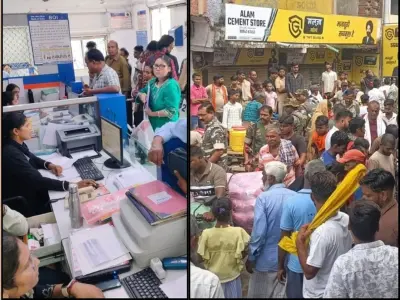
For journalists, activists, and ordinary citizens who rely on RTI to hold law enforcement accountable, the exemption would have been a significant setback. Police transparency is directly linked to public trust — particularly in cases involving custodial violence, missing persons, and protest-related arrests.
The withdrawal restores the status quo, but it also raises a question: was the exemption an isolated misstep, or does it signal a broader discomfort with scrutiny within the new government?
DMK's 'Shameful' Swipe — and What It Signals
DMK's sharp reaction was not just about the RTI exemption itself. It was an early attempt to define the Vijay government's character — to paint it as no different from the administrations it criticised. Whether that narrative sticks will depend on what happens next.
The Opposition is likely to use this episode as a reference point in future debates on transparency, policing, and governance.
Confirmed Facts vs What Remains Unclear
Confirmed: The government announced an RTI exemption for the law and order department. It withdrew the decision after political opposition. DMK publicly criticised the move. Congress and other alliance partners opposed it.
Unclear: The exact mechanism of the withdrawal — whether it was a formal notification or an informal rollback. The internal discussions within TVK and its alliance. Whether any other departments were considered for similar exemptions.
The Coalition Pressure Test
This episode is an early indicator of how the Vijay government will manage its alliance. The Congress and other partners have shown they are willing to push back — publicly or privately — when they believe a decision crosses a line. That dynamic will shape governance in the months ahead.
For a new party still building its institutional identity, balancing coalition expectations with its own policy instincts will be a recurring challenge.
Risks and the Road Ahead
The withdrawal may have contained the immediate political damage, but it does not erase the underlying question: how committed is this government to transparency when it conflicts with administrative convenience?
Opposition parties will continue to probe. Civil society groups will watch closely. And the next controversial decision — whatever it may be — will be judged against this one.
What Readers Should Take Away
If you rely on RTI to access information about policing in Tamil Nadu, your rights remain unchanged for now. The law and order department is still subject to standard RTI provisions.
But the episode is a reminder that transparency is never permanent — it has to be defended, often publicly, and sometimes against governments that claim to champion it.
Future Outlook
The Vijay government will likely be more cautious about decisions that can be framed as anti-transparency. But caution is not the same as commitment. The real test will come when a genuinely difficult RTI request — one that embarrasses the government — lands on the table.
Until then, this U-turn will be remembered as the moment the new administration learned that its allies, its opponents, and the public were all watching.
Our Take
The RTI exemption was a political misstep — not because transparency is easy, but because the government should have anticipated that its own supporters would reject the hypocrisy. The swift reversal is a sign that public pressure still works. But it also raises a question the government has not yet answered: did it back down because it believed in transparency, or because it was politically convenient to do so?
Frequently Asked Questions
What was the RTI exemption announced by the Vijay government?
The Vijay-led Tamil Nadu government had announced an exemption for the law and order department from the Right to Information Act, which would have shielded police records from public scrutiny. The decision was withdrawn after political backlash.
Why did DMK call the move "shameful"?
DMK described the RTI exemption as "shameful" because it contradicted the transparency promises made by the Vijay government during the election campaign. The party framed it as a betrayal of public trust.
Did the Congress oppose the RTI exemption?
Yes. According to the original report, TVK's alliance partners, including the Congress, strongly opposed the move, which contributed to the government's decision to reverse it.
What happens now to RTI requests for the law and order department?
The exemption has been withdrawn, so the law and order department remains subject to standard RTI provisions. Citizens can continue to file RTI requests as before.