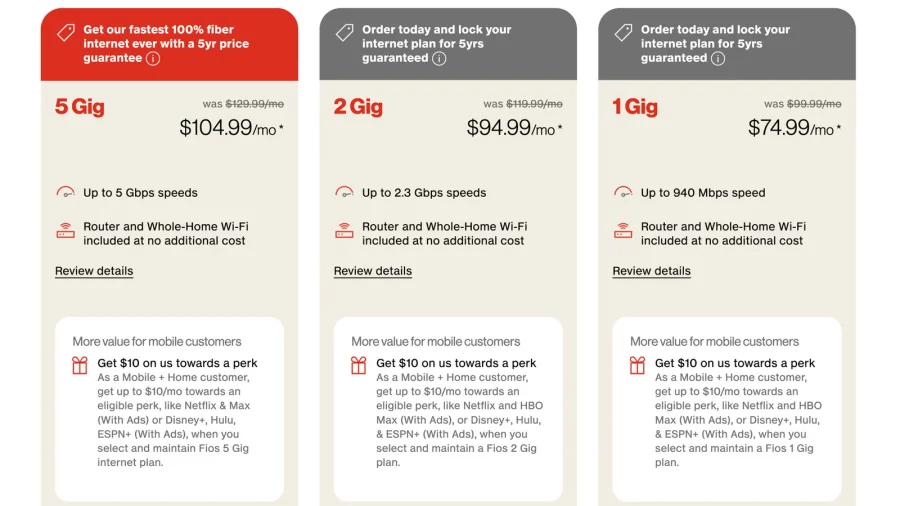
Verizon Fios just made a bold move in the home internet race. The company has introduced a new 5Gbps plan — more than double the speed of its previous flagship 2Gbps tier. For anyone who has ever cursed a buffering screen during a 4K stream or a laggy video call, this is the kind of upgrade that changes how you think about home connectivity.
What the 5Gbps Plan Means for Your Daily Internet Use
The new 5Gbps plan is not for casual browsing. It is designed for households with multiple heavy users — think simultaneous 4K streaming, online gaming, video conferencing, and large file downloads. At this speed, a 4K movie could download in under a minute. For remote workers and content creators, it eliminates the bottlenecks that slow down productivity.
Why Verizon Made This Move Now
Competition in the fiber broadband space is heating up. Rivals like Google Fiber and AT&T have been pushing faster speeds, and Verizon needed to reclaim the top spot. The 5Gbps plan is a direct response to growing demand for ultra-fast home internet, driven by more devices per household and the rise of data-heavy applications like virtual reality and cloud gaming.
Who Will Benefit Most from the Upgrade
This plan is aimed at power users. Families with multiple gamers, home offices with video-heavy workflows, and tech enthusiasts who want future-proof connectivity will find the most value. For average users who mainly browse and stream on one or two devices, the existing 1Gbps or 2Gbps plans may still be sufficient.
What Verizon Has Said So Far
Verizon has confirmed the new 5Gbps tier but has not released full pricing or availability details. Early reports suggest it is rolling out in select markets first, with a broader launch expected in the coming months. The company has not disclosed whether existing customers can upgrade or if new contracts are required.
How This Compares to Competitors
Google Fiber offers up to 2Gbps in most markets, while AT&T’s fiber plans top out at 5Gbps in select areas. Verizon’s new plan puts it on par with AT&T and ahead of Google Fiber in raw speed. However, pricing and customer service will be key differentiators. Verizon’s existing fiber infrastructure gives it an advantage in coverage, but competitors may respond with even faster tiers.
Confirmed Facts vs What Remains Unclear
What is confirmed: Verizon Fios has introduced a 5Gbps home internet plan. What remains unclear: exact pricing, full availability timeline, contract terms, and whether the speed is symmetrical (same upload and download). Verizon has not specified if the plan includes any data caps or additional fees.
Risks and Balanced View
While 5Gbps sounds impressive, most households do not need that much speed. The average home internet user in the US gets by with 100–200Mbps. The new plan may be overkill for many, and the likely higher price could deter budget-conscious consumers. Additionally, older routers and devices may not support 5Gbps speeds, requiring hardware upgrades.
Wider Trend: The Race for Faster Home Internet
Verizon’s move is part of a broader trend. As more people work from home and entertainment shifts to streaming, internet service providers are racing to offer faster speeds. Fiber optic technology is becoming the gold standard, and 5Gbps is likely just a stepping stone. Industry watchers expect 10Gbps plans within the next few years.
Practical Guidance for Consumers
If you are considering the 5Gbps plan, first check if your home network can handle it. You will need a router that supports multi-gig speeds and devices with compatible network cards. For most users, sticking with a 1Gbps or 2Gbps plan is more cost-effective. Wait for Verizon to release full pricing before making a decision.
Future Outlook
Verizon is expected to expand the 5Gbps plan to more markets in 2024. The company may also introduce even faster tiers as competition intensifies. For now, the 5Gbps plan positions Verizon as a leader in the premium fiber segment, but the real test will be pricing and customer satisfaction.
Our Take
Verizon’s 5Gbps plan is a clear signal that the home internet speed race is far from over. While most households do not need this level of speed today, the upgrade is a smart move for future-proofing. The key will be whether Verizon can deliver reliable service at a competitive price. For now, this is a win for power users and a reminder that fiber optic internet is the future.
Frequently Asked Questions
What is the new Verizon Fios 5Gbps plan?
It is Verizon’s fastest home internet tier, offering download speeds of up to 5Gbps — more than double the previous 2Gbps flagship plan.
How much will the Verizon Fios 5Gbps plan cost?
Verizon has not yet announced pricing. It is expected to be higher than the 2Gbps plan, which costs around $150–$200 per month depending on the market.
Is the 5Gbps plan available everywhere?
No. The plan is rolling out in select markets first. Verizon has not specified which areas or when broader availability will happen.
Do I need special equipment for 5Gbps speeds?
Yes. You will need a router that supports multi-gig speeds (at least 5Gbps) and devices with compatible network cards. Older hardware may not reach full speeds.