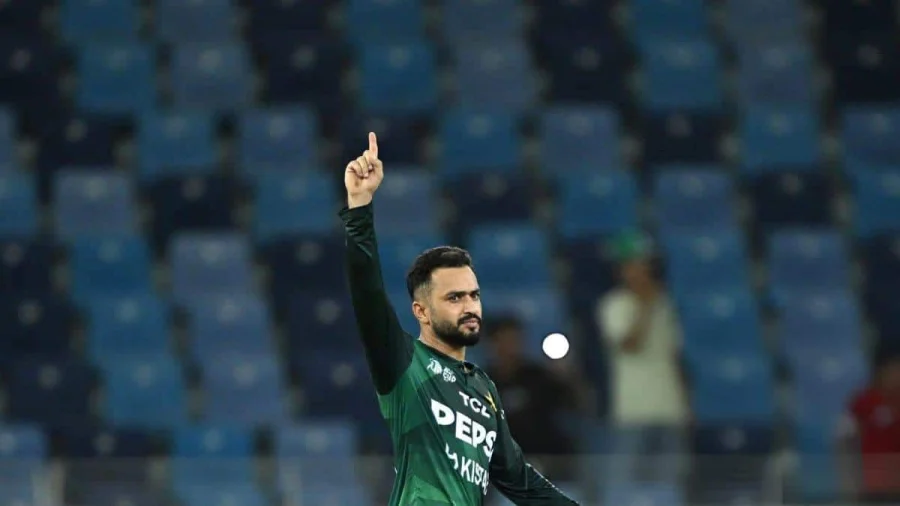
Pakistan cricket has been shaken by a major anti-doping case involving one of its key all-rounders. Mohammad Nawaz, the 32-year-old left-arm spinner and lower-order batsman, has accepted a three-month ban from the International Cricket Council (ICC) after testing positive for a banned substance during the ICC Men's T20 World Cup 2026.
What the ICC Sanction Means for Nawaz
The ICC confirmed that Nawaz breached the ICC Anti-Doping Code, leading to a three-month period of ineligibility. However, the ban comes with a crucial lifeline: it can be significantly reduced if Nawaz successfully completes an approved rehabilitation programme. This means his return to competitive cricket could happen much sooner than the full three-month term.
How the Positive Test Came to Light
The positive test occurred during the ICC Men's T20 World Cup 2026, a tournament where Nawaz was expected to play a vital role for Pakistan. The exact substance involved has not been publicly detailed by the ICC, but the governing body's anti-doping protocols require strict liability from players for any substance found in their system.
Why This Matters for Pakistan Cricket
Nawaz has been a regular feature in Pakistan's white-ball squads, known for his economical bowling and handy batting in the middle order. His absence, even for a reduced period, leaves a gap in the team's spin-bowling all-rounder department. For fans, the news is a blow to Pakistan's preparations for upcoming international series, though the reduced ban offers some relief.
Official Response from ICC and PCB
The ICC issued a statement confirming the sanction, noting that Nawaz had accepted the violation. The Pakistan Cricket Board (PCB) has not yet issued a detailed public response, but the board is expected to support Nawaz through the rehabilitation process. The ICC's anti-doping rules allow for reduced sanctions when a player demonstrates cooperation and commitment to reform.
What the Rehabilitation Programme Involves
The approved rehabilitation programme is designed to address the circumstances behind the positive test. While specific details remain confidential, such programmes typically include education on banned substances, medical monitoring, and counselling. Successful completion is the key to Nawaz's early return.
Confirmed Facts vs What Remains Unclear
Confirmed: Nawaz tested positive during the T20 World Cup 2026. He accepted a three-month ban. The ban can be reduced through a rehabilitation programme.
Unclear: The exact banned substance has not been disclosed. The specific terms of the rehabilitation programme are not public. Whether the substance was ingested inadvertently or intentionally remains unknown.
Risks and Balanced View
While the reduced ban offers hope, the incident raises questions about player awareness and support systems within the PCB regarding anti-doping education. Critics may argue that the ICC's leniency sets a precedent, while supporters will point to the rehabilitation focus as a constructive approach. The case also highlights the pressure on international cricketers to manage supplements and medications carefully.
Wider Pattern in Cricket Doping Cases
This is not the first high-profile doping case in Pakistan cricket. Previous incidents involving players like Shoaib Malik and Mohammad Asif have drawn attention to the issue. Globally, the ICC has been tightening its anti-doping protocols, with several players from various nations facing bans in recent years. The trend underscores the need for constant vigilance and education.
What Nawaz and Pakistan Fans Should Expect Next
For Nawaz, the immediate focus will be on completing the rehabilitation programme to secure a reduced ban. For Pakistan fans, the timeline for his return will depend on how quickly he progresses. The PCB is likely to monitor his situation closely and may issue further updates once the programme is underway.
Future Outlook
If Nawaz completes the programme successfully, he could be back in contention for Pakistan's white-ball squads within weeks rather than months. However, the stigma of a doping ban may linger, and he will need to rebuild trust with selectors, teammates, and fans. His performance upon return will be closely watched.
Our Take
This case is a reminder that no player is immune to anti-doping regulations, even in the heat of a World Cup. The ICC's approach — a ban with a rehabilitation pathway — strikes a balance between accountability and giving a player a second chance. For Nawaz, this is a career-defining moment. How he responds will determine whether this becomes a footnote or a turning point in his international career.
Frequently Asked Questions
Why was Mohammad Nawaz banned by the ICC?
Mohammad Nawaz was banned for three months after testing positive for a banned substance during the ICC Men's T20 World Cup 2026, in breach of the ICC Anti-Doping Code.
Can Mohammad Nawaz return to cricket sooner than three months?
Yes. The ban can be reduced if Nawaz successfully completes an approved rehabilitation programme, allowing him to return to competitive cricket earlier.
What substance did Mohammad Nawaz test positive for?
The ICC has not publicly disclosed the specific banned substance found in Nawaz's sample during the T20 World Cup 2026.
How does the ICC anti-doping rehabilitation programme work?
The programme typically includes education on banned substances, medical monitoring, and counselling. Successful completion can lead to a reduced period of ineligibility.
Will Mohammad Nawaz play for Pakistan again?
Yes, if he completes the rehabilitation programme and serves the reduced ban, he is expected to be eligible for selection again. His return will depend on form and fitness.