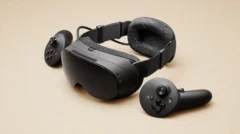
Valve's Steam Frame is, by most early accounts, a genuinely excellent piece of hardware. The problem is the number attached to it: over £1,000. And that number may matter more than any spec sheet.
The BBC's Tom Gerken went hands-on with the headset and came away impressed. But his own framing — is VR still too expensive? — captures the tension at the heart of the entire virtual reality industry right now.
What the Steam Frame Actually Gets Right
According to Gerken's hands-on impressions, the Steam Frame delivers on the fundamentals: comfort, immersion, and the kind of polish users expect from Valve. That matters, because Valve's last major VR effort, the Index, earned a reputation for quality — and for a price that made people wince.
The Steam Frame appears to continue that tradition. Excellent hardware, premium positioning.
The £1,000 Question Nobody in VR Wants to Answer
Here's the uncomfortable truth: a £1,000+ headset is not a mass-market product. It's a enthusiast purchase. For that money, a buyer could get a PlayStation 5, a decent gaming monitor, and still have change left over.
That's the comparison most consumers will make — and it's the one VR keeps losing.
How VR Got Stuck in the Premium Tier
VR has never been cheap. Early headsets required a powerful PC, external sensors, and a willingness to tinker. Meta's Quest line tried to break that pattern with standalone, lower-cost devices. Valve, by contrast, has consistently aimed higher — and charged accordingly.
The Steam Frame sits at the top of that ladder. Whether that's a strategy or a limitation depends on who you ask.
Who Actually Buys a £1,000 Headset?
Not students. Not casual players. Not parents buying a birthday gift. The Steam Frame's realistic audience is a narrow slice: dedicated PC gamers with disposable income, VR enthusiasts who already own a capable rig, and early adopters who simply want the best.
That's a real market — but it's not a mainstream one. And mainstream is where VR needs to go if it wants to survive long-term.
What Valve Has Said — and What It Hasn't
Valve has not publicly addressed the affordability criticism in the source material reviewed here. The company's historical approach has been to build premium hardware for its own ecosystem rather than chase volume through aggressive pricing.
That's a legitimate strategy. It's also one that keeps VR niche.
Why Excellent Hardware Isn't Enough
The Steam Frame's quality isn't in question. The question is whether quality alone can justify the price to someone who's never tried VR before.
For existing enthusiasts, the answer is probably yes. For everyone else, the answer is probably no — and that gap is the entire problem.
Confirmed Facts vs What Remains Unclear
Confirmed: The Steam Frame exists, it costs over £1,000, and a BBC hands-on described it as excellent.
Unclear: Exact regional pricing, long-term software support, whether Valve plans a cheaper variant, and how the headset compares directly to competitors. None of this was confirmed in the source material.
Valve's Real Advantage — and Its Limits
Valve's moat is Steam itself. No other VR maker has direct access to a library as vast, a storefront as dominant, or a user base as loyal. That ecosystem gives the Steam Frame a built-in audience no competitor can easily replicate.
But a moat doesn't lower a price tag. It just makes the price easier to swallow for people already inside the castle.
The Risks of Pricing VR Like a Luxury Good
Premium pricing carries real risks. It limits the install base, which limits developer incentive, which limits content, which limits the reason to buy the headset in the first place. That's the cycle VR has struggled to break for years.
Critics have long argued that VR needs a cheap, good-enough entry point — not another excellent, expensive one.
The Pattern Behind the Steam Frame
The Steam Frame isn't an outlier. It's the latest example of a broader trend: VR hardware keeps improving while the price of entry stays high. Meta's Quest line is the exception, not the rule.
Until that changes, VR will remain a premium hobby rather than a mainstream platform.
What This Means for Buyers Right Now
If you already own a VR-ready PC and use Steam regularly, the Steam Frame is worth watching closely. If you're curious but price-sensitive, waiting is reasonable — either for a price drop, a bundle, or a cheaper alternative.
Don't buy a £1,000 headset on hype alone. Buy it because you'll actually use it.
What Happens Next
Valve will likely let the hardware speak for itself. Competitors may respond with their own premium devices — or with cheaper ones aimed at the same audience. The next year will reveal whether the Steam Frame expands VR's reach or simply serves the already-converted.
Our Take
The Steam Frame sounds like a great headset. That's not the story. The story is that in 2025, a great VR headset still costs over £1,000 — and the industry still hasn't solved the one problem that matters most: making VR affordable enough that people stop asking whether it's worth it.
Valve built something excellent. Now someone needs to build something accessible.
Frequently Asked Questions
How much does the Valve Steam Frame cost?
According to the source material, the Steam Frame is priced at over £1,000 in the UK. Exact regional pricing may vary.
Is the Steam Frame worth buying?
Early hands-on impressions, including the BBC's, describe it as excellent. Whether it's worth it depends on your budget and how much you'll actually use VR.
Why is VR still so expensive?
High-end VR requires advanced displays, tracking hardware, and powerful processing. Premium headsets like the Steam Frame target enthusiasts rather than mass-market buyers, which keeps prices high.
Will there be a cheaper VR headset soon?
That's unclear from the source material. Meta's Quest line remains the most affordable mainstream option, but no confirmed cheaper Steam Frame variant has been announced.