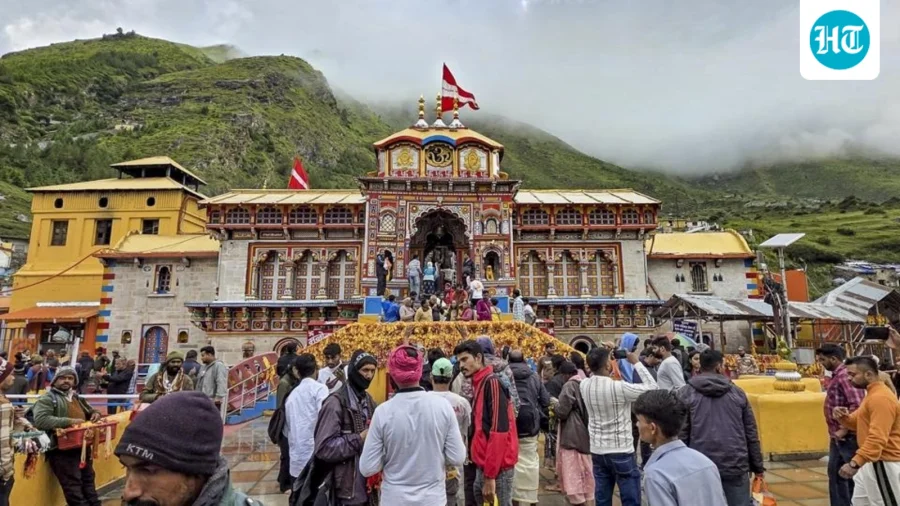
The quiet that pilgrims seek at Badrinath Dham may finally be protected. Uttarakhand has banned loud sound systems near the temple and other religious sites in Chamoli district, a move that directly affects how festivals, gatherings, and daily rituals are conducted in one of India's most sacred Himalayan towns.
A Ban That Reaches Beyond Badrinath's Main Temple
The restriction is not limited to Badrinath Dham alone. It extends to other religious sites across Chamoli district, according to the original order. This means organisers of events at temples, ashrams, and pilgrimage points throughout the region must now comply with the new rule.
Why Silence at Badrinath Matters to More Than Pilgrims
Badrinath is one of the Char Dham shrines, drawing lakhs of devotees every year. For many, the journey is as much spiritual as it is physical. Loud sound systems can disrupt prayer, meditation, and the natural calm that defines the temple's setting.
Residents and regular visitors have long noted that amplified sound during festivals and processions can overwhelm the area's character. The ban responds to that concern.
How the Order Will Be Enforced
Officials have been directed to ensure strict compliance. The order makes clear that legal action will be taken against organisers or committees that violate it. This places responsibility directly on those managing events at these sites.
Who Is Affected by the Chamoli Sound System Ban
Event organisers, temple committees, and religious groups that use loudspeakers or amplified sound systems near these sites are the most immediately affected. Pilgrims and local residents stand to benefit from reduced noise.
For committees, the change may require adjusting how they conduct festivals, announcements, or devotional music programmes.
Official Directive and Compliance Expectations
The directive to officials is straightforward: ensure the ban is followed. No exceptions have been announced for specific festivals or events. Legal consequences are explicitly mentioned for violations.
What the Ban Signals for Religious Site Management
This is not an isolated decision. It reflects a growing sensitivity to the environment around major pilgrimage sites, where the needs of worshippers and the character of the place are being weighed against the convenience of amplified sound.
Confirmed Facts vs What Remains Unclear
Confirmed: The ban applies to Badrinath Dham and other religious sites in Chamoli. Officials must enforce it. Legal action will follow violations.
Unclear: The exact penalties, the specific radius of the ban, and whether any exemptions exist have not been detailed in the available information. These details may emerge as enforcement begins.
Risks and Balanced View
Some organisers may find the ban challenging, especially during major festivals where loud sound systems are traditionally used. There could be resistance or requests for relaxation during peak pilgrimage periods.
However, the order prioritises the sanctity and calm of these sites. The balance between tradition and regulation will be tested in the coming months.
A Wider Pattern of Regulating Sound at Sacred Sites
Across India, courts and authorities have increasingly addressed noise pollution near religious and heritage locations. The Chamoli order fits into that broader trend of protecting the experiential and spiritual quality of pilgrimage destinations.
What Pilgrims and Organisers Should Know
If you are planning an event or gathering near Badrinath Dham or other religious sites in Chamoli, avoid loud sound systems. Committees should review their plans and ensure compliance to avoid legal action.
Pilgrims can expect a quieter, more focused environment at these sites.
What Could Happen Next
Enforcement will reveal how strictly the ban is applied. If violations occur, legal action may set precedents for similar restrictions elsewhere. The coming pilgrimage season will be a key test.
Our Take
This ban is a small but meaningful step toward preserving what makes Badrinath Dham special. It recognises that silence can be as sacred as sound. How it is enforced will determine whether it protects the pilgrim experience or simply adds another layer of regulation.
Frequently Asked Questions
What exactly has Uttarakhand banned near Badrinath Dham?
Loud sound systems have been banned near Badrinath Dham temple and other religious sites in Chamoli district.
Who will face legal action under this order?
Organisers or committees that violate the ban will face legal action, as per the official directive.
Does the ban apply only to Badrinath Dham?
No. It covers other religious sites in Chamoli district as well.
Why was this ban introduced?
The order aims to maintain the sanctity and calm of these religious sites, which are major pilgrimage destinations.