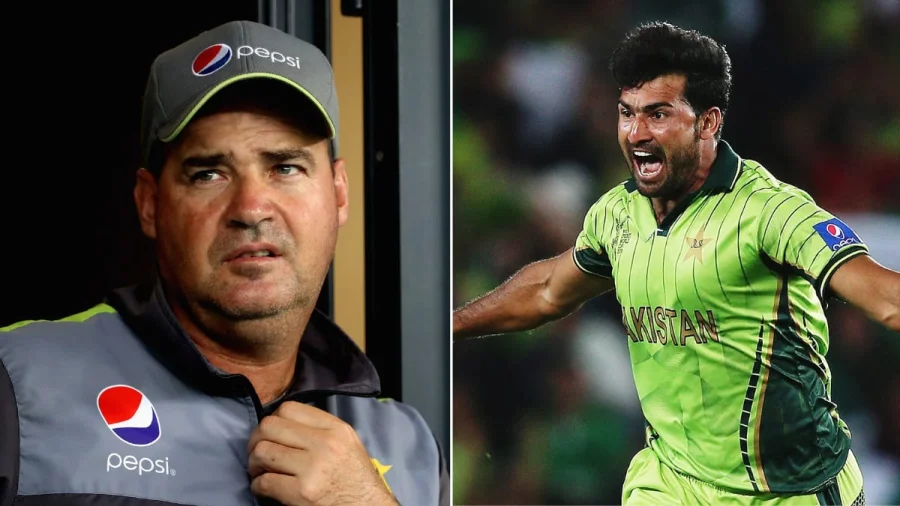
The cricket world is no stranger to fiery personalities, but a recent outburst from former Pakistan fast bowler Sohail Khan has sent shockwaves through the sport. In a scathing verbal attack, Khan has labeled his former head coach, Mickey Arthur, as "mentally ill," reigniting a bitter feud that many thought had been left on the pitch years ago.
The Explosive Allegations That Shook Pakistan Cricket
The controversy erupted during an appearance on the 'Fawad Alam Show' on YouTube. According to reports, Sohail Khan did not hold back, making a series of strong allegations against the South African coach who helmed the Pakistan team for a significant period.
Khan claimed he was treated unfairly under Arthur's leadership and openly questioned the coach's credentials and selection decisions. The most explosive claim, however, was his personal attack, stating, "I can guarantee you, he's mentally ill."
Why Sohail Khan's Words Carry Weight
This is not just a random social media rant. Sohail Khan is a former international cricketer who represented Pakistan in all formats. His comments carry the weight of someone who was inside the dressing room, experiencing Arthur's coaching methods firsthand.
For fans and aspiring cricketers, this raises uncomfortable questions about the man-management style that defined an era of Pakistan cricket. It highlights a potential disconnect between a coach's tactical vision and his ability to nurture and motivate players, a critical aspect of any high-performance environment.
A Feud with Deep Roots
This public lashing out is not an isolated incident. It is the latest chapter in a long-running dispute between the two men. Sohail Khan's international career, particularly in the latter stages, coincided with Mickey Arthur's tenure as head coach from 2016 to 2019, and again in 2023.
While the specific details of their falling out have never been fully public, Khan's frustration has clearly been simmering for years. This interview appears to be a damning, unfiltered account of his personal experience, suggesting a breakdown in communication and trust that went far beyond on-field tactics.
The Human Cost of a High-Pressure Job
Beyond the headlines, this story is about the human side of professional sports. For a player like Sohail Khan, his time with the national team was the pinnacle of his career. Feeling unfairly treated or sidelined by a coach can have a profound impact on a player's confidence and mental well-being.
His outburst, while controversial, speaks to a sense of injustice that he feels was never addressed. It’s a reminder that behind the statistics and match results are individuals whose careers and livelihoods are directly impacted by coaching decisions.
Silence from the Other Side
As of now, the response from Mickey Arthur's camp has been absolute silence. Neither the seasoned South African coach, who has also managed top teams like South Africa and Sri Lanka, nor the Pakistan Cricket Board (PCB) has issued any statement regarding these serious allegations.
This silence leaves the public arena open for speculation. Without a rebuttal, Sohail Khan's version of events currently stands unchallenged, shaping the narrative in the public eye. The lack of an official response is, in itself, a significant development in this unfolding saga.
What We Know and What We Don't
It is crucial to separate the confirmed facts from the claims made in this controversy. What is confirmed is that Sohail Khan made these statements on a public platform. The content of his claims is now a matter of public record.
What remains unclear is the full context of his experiences. We do not have Mickey Arthur's perspective, nor have any other players from that era come forward to corroborate or deny Khan's claims. The allegations of unfair treatment and the "mentally ill" comment are currently one-sided and unverified by any independent party.
The Legacy of Mickey Arthur in Pakistan
Mickey Arthur's tenure with Pakistan was a mixed bag. He is credited with modernizing the team's approach, particularly in white-ball cricket, and led them to a historic ICC Champions Trophy victory in 2017. He was known for his intense, data-driven methods and a no-nonsense attitude.
However, his relationship with some senior players was often reported to be strained. Critics argued his style could be abrasive and that he struggled to manage the unique cultural dynamics of the Pakistan dressing room. Sohail Khan's allegations add a powerful, personal voice to that critical narrative.
Risks and the Other Side of the Story
While Sohail Khan's frustration is palpable, it's important to consider the broader picture. Coaching a national team is a high-stakes job where tough, and often unpopular, decisions are a daily requirement. A coach's primary duty is to the team's overall success, not individual player satisfaction.
From Arthur's perspective, his methods were designed to build a winning unit, and he might argue that selections were based on form, strategy, and fitness, not personal bias. Without his side of the story, a balanced view is impossible to achieve. The risk is that a personal grievance is being presented as an objective truth.
A Pattern of Public Airings in Cricket
This incident is part of a wider trend in modern cricket where player-coach conflicts, once confined to dressing rooms, are now aired publicly on podcasts and YouTube shows. This shift towards greater transparency, or perhaps just public venting, is changing the way fans consume the sport.
It gives players a direct, unfiltered platform to share their stories, bypassing traditional media. While this can be revealing, it also means that personal disputes can become viral controversies, often with only one side of the story being told.
What This Means for Aspiring Cricketers
For young players, this saga offers a difficult but valuable lesson. Professional sport is not just about talent; it's about navigating complex personalities and power dynamics. Building strong communication skills and a resilient mindset is as important as perfecting a yorker.
It also underscores the importance of a strong players' association or a support system that can help mediate conflicts between players and management before they escalate to a public breaking point.
The Future of This Feud
What happens next depends entirely on whether Mickey Arthur or the PCB chooses to respond. A strong denial or a detailed explanation could change the narrative. Continued silence will likely cement Sohail Khan's claims as the dominant story in the public consciousness.
For now, the ball is firmly in Arthur's court. This controversy is a stark reminder of the intense pressures and personal conflicts that simmer beneath the surface of international cricket.
Our Take
This is more than just a war of words; it's a window into the high-pressure, emotionally charged world of professional sports management. Sohail Khan's explosive claims, whether fair or not, expose the deep personal scars that can be left by a career in the national spotlight. While his language is extreme, the underlying feeling of being undervalued is a powerful and relatable human emotion. The story serves as a crucial reminder that a coach's legacy is defined not only by trophies but also by how they treat the people they lead.
Frequently Asked Questions
What exactly did Sohail Khan say about Mickey Arthur?
On the Fawad Alam show, Sohail Khan called former Pakistan coach Mickey Arthur "mentally ill" and accused him of treating him unfairly and making poor selection decisions during his tenure.
Has Mickey Arthur responded to these allegations?
No, as of the latest reports, neither Mickey Arthur nor the Pakistan Cricket Board (PCB) has issued any official statement or response to Sohail Khan's claims.
When did Sohail Khan play under Mickey Arthur?
Sohail Khan's career overlapped with Mickey Arthur's first tenure as Pakistan's head coach, which ran from 2016 to 2019. Arthur also had a brief second stint in 2023.
Why is this controversy significant for Pakistan cricket?
It highlights potential long-standing issues with player management and dressing room harmony. It also fuels the public debate about the effectiveness and legacy of foreign coaches in the Pakistan cricket system.