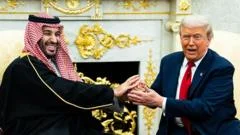
The United States is preparing to announce a landmark agreement that would allow Saudi Arabia to develop a civilian nuclear programme, fulfilling a long-standing ambition of the kingdom. The deal, expected to be unveiled in the coming weeks, could fundamentally alter the energy landscape of the Middle East while raising delicate security questions.
What the US-Saudi Nuclear Deal Entails
Under the proposed agreement, Saudi Arabia would gain access to US nuclear technology and expertise for peaceful energy purposes. The deal is expected to include strict safeguards to ensure that the programme remains civilian in nature, with inspections and oversight mechanisms modelled on international non-proliferation standards. However, the exact terms — including whether Riyadh will be allowed to enrich uranium or reprocess spent fuel — remain a point of contention.
Why This Deal Matters for the Middle East
For Saudi Arabia, a civilian nuclear programme represents a strategic shift towards diversifying its energy mix beyond oil. The kingdom has long sought nuclear power to meet growing domestic electricity demand and to free up more crude for export. For the US, the deal is part of a broader effort to strengthen ties with Riyadh amid shifting geopolitical alignments in the region. But the agreement could also complicate relations with Israel, which views any nuclear programme in the region with deep suspicion, and with US lawmakers who worry about setting a precedent for proliferation.
Background: Saudi Arabia's Nuclear Ambitions
Saudi Arabia has pursued nuclear energy for over a decade, signing preliminary agreements with several countries including South Korea and China. However, a US-backed deal has always been the preferred route due to Washington's influence over global nuclear governance. The kingdom has repeatedly stated that it reserves the right to enrich uranium for energy purposes, a position that has alarmed non-proliferation advocates. The new deal represents a breakthrough after years of stalled negotiations.
Human Impact: Who Stands to Gain and Who Worries
For ordinary Saudis, the deal promises cheaper and more reliable electricity, reducing dependence on oil-fired power plants. For regional neighbours, particularly Israel, the agreement raises the spectre of a nuclear-armed rival, even if the programme is civilian. Israeli officials have long argued that any enrichment capability in the region could eventually be weaponised. For US lawmakers, the deal forces a difficult choice between strengthening a key ally and upholding non-proliferation norms.
Official Response and Reactions So Far
US officials have not confirmed the deal publicly, but sources close to the negotiations indicate that an announcement is imminent. Saudi officials have welcomed the prospect, framing it as a sovereign right to peaceful nuclear energy. In Israel, the government has expressed concern, though it has not issued an official statement. Some US lawmakers have already signalled they will scrutinise the deal closely, demanding assurances that it will not lead to a regional arms race.
Analysis: What This Deal Means for Non-Proliferation
The core of the debate centres on whether Saudi Arabia will be allowed to enrich uranium. If the deal permits enrichment, it could set a precedent for other nations in the region, potentially triggering a cascade of nuclear programmes. If it prohibits enrichment, Riyadh may reject the terms, seeking alternatives from China or Russia. The US faces a delicate balancing act: rewarding a key partner while maintaining global non-proliferation standards.
Confirmed Facts vs What Remains Unclear
What is confirmed: The US is preparing to announce a deal allowing Saudi Arabia a civilian nuclear programme. What remains unclear: the specific terms regarding enrichment and reprocessing, the timeline for implementation, and the level of oversight. It is also uncertain how Israel and US lawmakers will ultimately respond. All speculation about weaponisation or immediate regional reactions should be treated as unconfirmed.
Risks and Balanced View
Supporters argue the deal strengthens a vital US ally and promotes clean energy in the Gulf. Critics warn it could undermine decades of non-proliferation efforts and embolden other nations to seek nuclear capabilities. There is also the risk that the programme could be diverted for military purposes, though US officials insist safeguards will prevent this. The deal must be judged on its final terms, which remain under negotiation.
Wider Trend: Nuclear Energy in the Middle East
The US-Saudi deal is part of a broader trend of nuclear energy expansion in the Middle East. The United Arab Emirates already operates the Barakah nuclear plant, built with South Korean help and under strict US oversight. Egypt and Turkey are also pursuing nuclear power. The region's growing appetite for nuclear energy reflects both rising electricity demand and a desire to reduce dependence on fossil fuels.
Practical Reader Guidance
For those following the story, the key details to watch are the final terms of the deal, particularly whether Saudi Arabia gains enrichment rights. The reactions from Israel and the US Congress will also shape the deal's future. Readers should rely on official statements from the US State Department and Saudi authorities for verified information, and treat unconfirmed reports from social media with caution.
Future Outlook
The deal is likely to be announced within weeks, followed by a period of intense scrutiny in Washington and Tel Aviv. If approved, construction of Saudi nuclear facilities could begin within a few years, with power generation expected by the early 2030s. However, the deal could still face legal or legislative challenges in the US Congress. The long-term impact on regional security will depend on how other nations respond.
Our Take
The US-Saudi nuclear deal represents a significant shift in Middle East energy and security policy. While it offers clear benefits for Saudi Arabia's energy transition and US-Saudi relations, it also carries real risks for non-proliferation and regional stability. The final terms will determine whether this is a responsible step forward or a dangerous precedent. For now, the world watches as two key allies navigate a complex and consequential agreement.
Frequently Asked Questions
What is the US-Saudi nuclear deal?
The US is set to announce an agreement allowing Saudi Arabia to develop a civilian nuclear programme for energy purposes, with safeguards to prevent weaponisation.
Why is Israel concerned about the deal?
Israel views any nuclear programme in the region as a potential security threat, fearing that civilian capabilities could eventually be used for military purposes.
Will Saudi Arabia be allowed to enrich uranium?
This remains unclear. The final terms of the deal are still under negotiation, and enrichment rights are a key point of contention between the US and Saudi Arabia.
When will the deal be announced?
An announcement is expected in the coming weeks, though no exact date has been confirmed by US or Saudi officials.