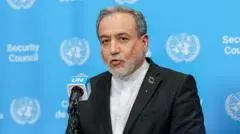
The United States has signed a landmark nuclear cooperation agreement with Saudi Arabia, a move that the US Department of Energy says will give American firms "great access" to the kingdom's civilian nuclear energy programme. The deal, described as a "peaceful" cooperation pact, marks a significant deepening of energy ties between the two nations.
What the US-Saudi Nuclear Deal Entails
Under the agreement, US companies will be able to participate in Saudi Arabia's nuclear energy programme, which aims to diversify the kingdom's energy mix away from oil. The US Department of Energy confirmed the deal, stating it would facilitate commercial access for American firms in the Saudi nuclear sector. The exact terms of the agreement have not been publicly detailed, but it is expected to cover technology transfer, safety standards, and regulatory cooperation.
Why This Deal Matters for American Firms
For US companies, the agreement opens a potentially lucrative market. Saudi Arabia has ambitious plans to build multiple nuclear reactors to meet growing domestic energy demand and reduce reliance on fossil fuels. American firms, including Westinghouse Electric Company, have long sought entry into the Saudi market, which has been dominated by competitors from South Korea, Russia, and China. This deal could give US companies a competitive edge in bidding for reactor construction and maintenance contracts.
Background: Saudi Arabia's Nuclear Ambitions
Saudi Arabia has been pursuing nuclear energy for over a decade as part of its Vision 2030 economic reform plan. The kingdom aims to build 16 nuclear reactors by 2040, with an estimated investment of over $80 billion. However, progress has been slow due to technical, regulatory, and geopolitical hurdles. The US-Saudi nuclear cooperation agreement is seen as a major step forward in realizing these ambitions.
Human Impact: Energy Security and Economic Diversification
For ordinary Saudis, the nuclear programme promises more reliable electricity and reduced dependence on oil revenues. For American workers, the deal could mean new jobs in engineering, construction, and nuclear services. The agreement also has broader implications for global energy markets, as Saudi Arabia seeks to become a leader in civilian nuclear technology in the Middle East.
Official Response: US Department of Energy's Stance
The US Department of Energy has framed the agreement as a "peaceful" cooperation deal, emphasizing its commercial benefits for American firms. Officials have not commented on whether the deal includes provisions on uranium enrichment or reprocessing, which are sensitive issues in non-proliferation circles. The department has stressed that the agreement adheres to international nuclear safety and security standards.
Analysis: Geopolitical and Strategic Implications
The deal comes at a time of shifting alliances in the Middle East. The US has been seeking to strengthen ties with Saudi Arabia amid competition from China and Russia, both of which have offered nuclear cooperation to the kingdom. By signing this agreement, Washington aims to maintain influence over Saudi energy policy and ensure that the kingdom's nuclear programme remains under international safeguards. However, the deal also raises questions about US commitment to non-proliferation, especially if Saudi Arabia insists on the right to enrich uranium.
Confirmed Facts vs What Remains Unclear
Confirmed: The US Department of Energy has signed a nuclear cooperation agreement with Saudi Arabia. The deal grants US firms access to the Saudi nuclear energy programme. The agreement is described as "peaceful" cooperation.
Unclear: The specific terms of the agreement, including whether it allows Saudi Arabia to enrich uranium or reprocess spent fuel. The timeline for implementation and the exact number of US firms that will benefit. The reaction from Congress, which may need to review the deal under the Atomic Energy Act.
Risks and Balanced View
Critics of the deal warn that it could undermine global non-proliferation efforts. Saudi Arabia has previously stated that it reserves the right to develop its own enrichment capabilities, which could be used to produce weapons-grade material. The agreement does not explicitly address this issue, leaving room for future tension. Supporters argue that the deal brings Saudi Arabia under US oversight and reduces the risk of it turning to less transparent partners like China or Russia. The balance between commercial opportunity and security concerns will be closely watched.
Wider Trend: The Global Race for Nuclear Energy
The US-Saudi deal is part of a broader trend of countries turning to nuclear power to meet climate goals and energy security needs. The International Energy Agency projects that global nuclear capacity will need to double by 2050 to achieve net-zero emissions. The Middle East, in particular, is seeing a nuclear renaissance, with the UAE already operating the Barakah plant and other countries exploring options. The US is competing with Russia, China, and South Korea for a share of this growing market.
Practical Reader Guidance: What This Means for Investors and Businesses
For investors, the deal signals potential opportunities in US nuclear engineering firms, construction companies, and supply chain providers. Businesses in the energy sector should monitor the implementation timeline and any additional agreements that may follow. For policymakers, the deal highlights the need for clear non-proliferation safeguards and congressional oversight. For the general public, the agreement represents a significant step in US-Saudi relations with long-term implications for energy prices and geopolitical stability.
Future Outlook: What Could Happen Next
The next steps will involve detailed negotiations on specific projects and regulatory frameworks. Congress may review the agreement, potentially adding conditions on enrichment and reprocessing. Saudi Arabia is expected to issue tenders for reactor construction in the coming months, with US firms now in a stronger position to bid. The deal could also pave the way for broader US-Saudi cooperation in renewable energy and technology transfer. However, any shift in Saudi policy on enrichment could reignite tensions and threaten the agreement's long-term viability.
Our Take
The US-Saudi nuclear deal is a strategic win for Washington, securing commercial access for American firms and reinforcing bilateral ties. However, the agreement's success hinges on resolving the enrichment question, which remains a sticking point. The deal reflects a pragmatic approach to energy diplomacy, but it also carries risks that must be managed carefully. For now, it represents a significant milestone in the evolving US-Saudi partnership and a test of the global non-proliferation regime.
Frequently Asked Questions
What is the US-Saudi nuclear deal?
The US-Saudi nuclear deal is a cooperation agreement signed by the US Department of Energy that gives American firms access to Saudi Arabia's civilian nuclear energy programme. It is described as a "peaceful" agreement aimed at commercial cooperation.
Why is this deal important?
The deal is important because it opens the Saudi nuclear market to US companies, potentially worth billions of dollars. It also strengthens US-Saudi energy ties and counters competition from China and Russia in the region.
Does the deal allow Saudi Arabia to enrich uranium?
The specific terms of the deal regarding uranium enrichment have not been disclosed. Saudi Arabia has previously expressed interest in enrichment capabilities, which remains a sensitive issue in non-proliferation discussions.
How will this affect global energy markets?
The deal could accelerate Saudi Arabia's nuclear energy programme, reducing its reliance on oil for domestic power generation and freeing up more crude for export. It also signals growing US involvement in Middle East energy infrastructure.