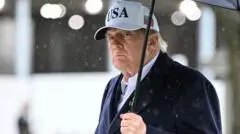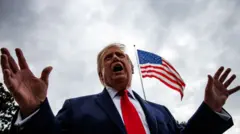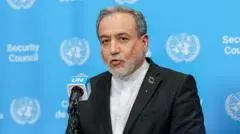
The United States has lifted its naval blockade against Iran, a dramatic shift in policy that has drawn a sharp rebuke from Tehran's highest authority. Iran's Supreme Leader, Ayatollah Ali Khamenei, has publicly stated that he disagrees with the deal and accused former President Donald Trump of signing it "out of desperation." The development marks a potential turning point in one of the most volatile flashpoints in the Middle East.
What exactly changed in the US naval posture?
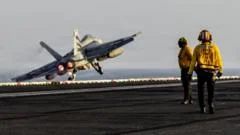
The US naval blockade, which had been a central feature of the "maximum pressure" campaign, has been lifted. This means American warships are no longer actively intercepting or preventing Iranian oil tankers from transiting key waterways, most notably the Strait of Hormuz. The blockade had been a major source of friction, leading to several close encounters between US and Iranian naval forces.
Khamenei's 'desperation' claim — what did he say?
Ayatollah Khamenei, who holds ultimate authority in Iran, did not mince words. He stated that he fundamentally disagrees with the terms of the deal and characterized Trump's decision to sign it as an act of "desperation." This framing is significant, as it allows the Supreme Leader to portray the US move as a retreat, rather than a diplomatic victory for Washington. It also signals that Iran's leadership remains deeply skeptical of American intentions.
How did we get here? A timeline of tension
The US naval blockade was imposed as part of a broader strategy to choke off Iran's oil exports following the US withdrawal from the 2015 nuclear deal (JCPOA). For years, this led to a tense standoff in the Persian Gulf, with Iran threatening to close the Strait of Hormuz and the US vowing to keep it open. The situation escalated with attacks on oil tankers and drone shootdowns, bringing the two countries to the brink of direct conflict. The lifting of the blockade represents a sharp departure from that policy.
Who is affected by this shift?
The immediate beneficiaries are likely to be global oil markets. The blockade had restricted the flow of Iranian crude, contributing to price volatility. With the blockade lifted, more Iranian oil could enter the market, potentially easing prices at the pump for consumers worldwide. For the Iranian people, the move could bring some economic relief, though the full impact will depend on the details of any broader agreement. For the US military, it reduces the risk of a costly and unpredictable confrontation in the Gulf.
What is the official US response?
As of now, the US administration has not provided a detailed public explanation for the decision to lift the blockade. The lack of a clear statement has fueled speculation about the nature of the deal. Was it a quid pro quo for Iranian concessions on its nuclear program? Or was it a unilateral gesture to de-escalate tensions? The silence from Washington leaves room for multiple interpretations, including the one offered by Khamenei.
Is this a sign of weakness or a strategic pivot?
Analysts are divided. Some see the lifting of the blockade as a pragmatic move to avoid a costly war and focus on other global priorities, such as the war in Ukraine or competition with China. Others, echoing Khamenei's view, see it as a concession that rewards Iranian brinkmanship. The truth likely lies somewhere in between. It could be a strategic pivot, where the US is trading a high-risk, low-reward military posture for a diplomatic track that offers more sustainable stability.
Confirmed facts vs what remains unclear
Confirmed: The US naval blockade has been lifted. Ayatollah Khamenei has publicly criticized the deal and Trump's role in it. Unclear: The exact terms of the agreement between the US and Iran. Whether this is a temporary measure or a permanent policy shift. The specific concessions, if any, that Iran made in return. The role of any third-party mediators, such as Oman or Qatar.
The wider trend: A shift away from 'maximum pressure'
This move fits a broader pattern of the current US administration moving away from the "maximum pressure" strategy of the Trump era. The policy had failed to bring Iran to the negotiating table on US terms and had instead hardened Tehran's position. The lifting of the blockade suggests a return to a more traditional diplomatic approach, even if the rhetoric from both sides remains hostile.
What should you watch for next?
For investors and those concerned with global energy security, the key indicator will be the flow of Iranian oil. If exports rise significantly, it will confirm the blockade is truly over. For geopolitical watchers, the next step will be any signs of progress on the nuclear file. The lifting of the blockade could be a precursor to broader talks. For the average person, the most immediate impact could be a slight cooling of oil prices, though this is far from guaranteed given other global factors.
Future outlook: De-escalation or a pause before the next crisis?
The most likely scenario is a period of cautious de-escalation. Both sides have an interest in avoiding a direct war. However, the deep mistrust remains. Khamenei's "desperation" comment is a clear signal that Iran will not easily give up its narrative of resistance. The US, for its part, will be watching to see if Iran uses the breathing room to accelerate its nuclear program. The next few months will be critical in determining whether this is a genuine thaw or just a tactical pause.
Our Take
This is a significant moment, but it is not a peace treaty. The lifting of the naval blockade removes one of the most dangerous tripwires for a US-Iran war, which is a clear positive. However, Khamenei's public dismissal of the deal as a sign of "desperation" is a reminder that the ideological conflict is far from over. The real test will be whether this move leads to a broader, verifiable agreement that addresses the nuclear issue and regional security. For now, the world can breathe a little easier, but the underlying tensions remain.
Frequently Asked Questions
What does it mean that the US lifted the naval blockade on Iran?
It means US warships are no longer actively preventing Iranian oil tankers from moving through key waterways like the Strait of Hormuz. This reduces the immediate risk of a military confrontation and could allow more Iranian oil to reach global markets.
Why did Iran's Supreme Leader call the deal 'desperate'?
Ayatollah Khamenei used the term to frame the US move as a retreat or a sign of weakness, rather than a diplomatic success. This helps him maintain a narrative of Iranian resistance and strength, even as his country benefits from the de-escalation.
Will this lower gas prices?
It could contribute to lower oil prices if Iranian exports increase significantly. However, oil prices are influenced by many factors, including global demand, OPEC+ decisions, and other geopolitical events. The impact may be modest.
Is this the same as a new nuclear deal with Iran?
Not necessarily. Lifting the blockade could be a step towards broader negotiations, but it is not a nuclear deal in itself. The status of the 2015 JCPOA or any new agreement remains unclear.