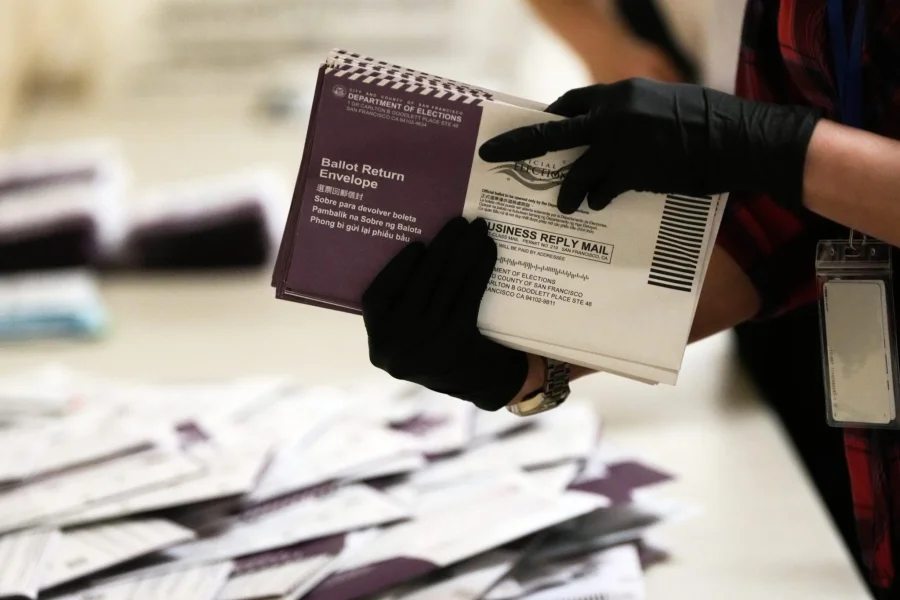
Millions of voters in nearly half of U.S. states can breathe easier after a federal appeals court dealt a major blow to President Donald Trump’s push to overhaul how Americans cast their ballots. The ruling, issued Saturday by judges of the 1st U.S. Circuit Court of Appeals, upholds a block on Trump’s executive order to create a federal list of eligible voters and restrict mail-in ballots only to people on that list.
What the appeals court ruling means for voters in 23 states
The decision directly impacts 23 states that sued the Trump administration, arguing the order would disenfranchise millions. The court rejected the administration’s effort to move forward with the mail-in voting restrictions ahead of November’s midterm elections. For now, voters in those states can continue using existing mail-in ballot procedures without being required to appear on a new federal list.
Why the executive order sparked a legal firestorm
Trump issued the executive order in March, directing the director of U.S. Citizenship and Immigration Services and the commissioner of the Social Security Administration to create a “state citizenship list” of eligible voters. It also ordered the U.S. Postal Service to deliver mail ballots only to people on that list. Critics warned the order would create confusion, suppress turnout, and potentially disenfranchise eligible voters whose names were not on the list due to administrative errors.
How the legal battle unfolded
The 23 states, led by Democratic attorneys general, filed a lawsuit challenging the order as unconstitutional and beyond presidential authority. A lower court initially blocked the order, and the Trump administration appealed. The 1st Circuit’s ruling Saturday upheld that block, marking a significant legal setback for the White House.
Who is affected by the court’s decision
The ruling directly protects voters in the 23 plaintiff states, which include key battlegrounds. However, the order remains technically in effect in states that did not join the lawsuit. For millions of Americans, the decision removes an immediate threat to their ability to vote by mail in the upcoming midterms.
What the Trump administration has said
The Trump administration argued the order was necessary to prevent voter fraud and ensure only eligible citizens vote. Officials have not yet commented on whether they will appeal to the Supreme Court. The White House has previously defended the order as a lawful exercise of executive authority over federal elections.
Why this ruling matters beyond the immediate case
The case tests the limits of presidential power over election administration, traditionally a state responsibility. Legal experts say the ruling reinforces the principle that states, not the federal government, control voter eligibility and ballot procedures. It also signals that courts are willing to block sweeping executive actions that could disrupt elections.
Confirmed facts vs what remains unclear
Confirmed: The 1st Circuit upheld the block on the executive order in 23 states. The order required creation of a federal voter list and restricted mail ballots to that list. Unclear: Whether the administration will appeal to the Supreme Court. Also unclear is how the ruling affects states not party to the lawsuit.
Risks and balanced view
Supporters of the order argue it could prevent non-citizen voting and restore confidence in elections. Critics counter that voter fraud is extremely rare and that the order would create bureaucratic hurdles that suppress legitimate votes. The court sided with the latter view, but the legal fight is far from over.
Wider trend: Federal vs state control over elections
This case is part of a broader national debate over who controls election rules. Multiple states have passed laws tightening or expanding voting access, and the federal government has increasingly sought to intervene. The ruling is a win for state autonomy in election administration.
What voters should know now
If you live in one of the 23 plaintiff states, your mail-in voting procedures remain unchanged for now. Check your state’s election website for the latest rules. If you are in a state not covered by the ruling, monitor local news for any changes. Regardless, ensure your voter registration is current.
What happens next
The Trump administration could petition the Supreme Court to hear an emergency appeal. If the Court declines, the block will remain in place through the midterms. Alternatively, the administration could seek a rehearing before the full 1st Circuit. The legal battle is likely to continue for months.
Our Take
This ruling is a significant check on executive overreach in election administration. By upholding the block, the court has protected the principle that states—not the White House—set voter eligibility and ballot rules. While the debate over voter fraud and access will continue, this decision ensures that millions of Americans can vote by mail without new federal barriers in the upcoming midterms.
Frequently Asked Questions
What did the appeals court rule?
The 1st U.S. Circuit Court of Appeals upheld a block on President Trump’s executive order to create a federal list of eligible voters and restrict mail-in ballots only to those on that list. The ruling applies to 23 states that sued.
Why did 23 states sue over the voter list order?
The states argued the order was unconstitutional and would disenfranchise eligible voters by creating bureaucratic hurdles and confusion. They said it exceeded presidential authority over elections, which are traditionally state-controlled.
Does this ruling affect all U.S. states?
No. The ruling directly applies only to the 23 states that filed the lawsuit. The executive order remains technically in effect in other states, though its implementation is uncertain.
Can the Trump administration still appeal?
Yes. The administration can appeal to the U.S. Supreme Court or seek a rehearing before the full 1st Circuit. The legal fight is not over.