The quiet has been broken. For the first time in weeks, the US and Iran are trading strikes again — and this time, the fallout has turned deadly. Iran says a US attack on Larak Island, a strategic outpost in the Strait of Hormuz, has killed two people and injured two others. The strike marks the first known US military action since late July, abruptly ending a fragile pause in hostilities.
What Happened on Larak Island
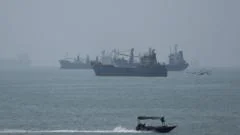
Larak Island sits in the Strait of Hormuz, one of the world's most critical oil shipping lanes. According to Iranian officials, the US struck the island, killing two and wounding two more. The exact target of the strike has not been disclosed, and US authorities have not yet publicly confirmed the operation. This lack of official confirmation leaves key questions open: What was hit? Why now? And what comes next?
Why This Exchange Matters Beyond the Headlines
This is not just another skirmish. The resumption of strikes after weeks of quiet signals that diplomatic efforts — or mutual restraint — may have stalled. For the region, the Strait of Hormuz is a lifeline for global oil supplies. Any sustained military activity there carries immediate economic consequences, from oil price volatility to shipping disruptions. For ordinary people, the fear is simpler: a conflict that keeps escalating with no clear off-ramp.
The Timeline: From Late July to Now
The last known US strikes were reported in late July. Since then, there had been a noticeable lull in direct military exchanges, leading some to hope that cooler heads were prevailing. That pause has now ended. The attack on Larak Island represents a significant shift, though the reasons behind the timing remain unclear. Whether this is a one-off response or the start of a new phase of escalation is still unknown.
Who Is Affected by the Renewed Strikes
The immediate victims are the two people killed and two injured on Larak Island. But the ripple effects extend far beyond. Residents across southern Iran live with the constant threat of strikes near strategic sites. Meanwhile, global markets watch nervously — any disruption in the Strait of Hormuz can send energy prices climbing, affecting households and businesses worldwide. The human cost is not just counted in casualties, but in the daily uncertainty faced by millions.
Official Statements and the Information Gap
Iran has publicly reported the attack and its casualties, framing it as an act of aggression. The US, however, has not yet issued a formal statement. This information gap is typical of active military situations, but it complicates public understanding. Until Washington confirms or denies the operation, the full picture remains incomplete. What is clear is that Iran is treating this as a serious escalation.
What This Means for US-Iran Relations
The resumption of strikes suggests that the underlying tensions between Washington and Tehran remain unresolved. Diplomatic channels, if they were open, have not produced a lasting ceasefire. The strategic importance of Larak Island — close to key shipping routes and military installations — makes it a high-value target. This attack may be a message, a tactical move, or both. Without official confirmation, analysts can only speculate on the intent.
Confirmed Facts vs What Remains Unclear
Here is what is verified: Iran reports a US strike on Larak Island, with two dead and two injured. That is the extent of confirmed information. What remains unclear: the exact target, the US rationale, whether this was a targeted operation or part of a broader campaign, and how Iran will respond. All of these are open questions. Any claims beyond the Iranian report should be treated as unverified until official sources provide more detail.
Regional Pattern: A Cycle of Strike and Response
This exchange fits a broader pattern of tit-for-tat actions between the US and Iran that has played out over months. Periods of intense activity are often followed by lulls, only for tensions to flare again. The strategic stakes — nuclear programs, regional influence, oil security — remain unchanged. Each new strike raises the risk of miscalculation, where a limited exchange spirals into a wider conflict neither side wants.
What Should Observers Watch For Now
For those following the situation, the key indicators are: an official US statement, any Iranian retaliation, and movements in global oil prices. If Iran responds militarily, the cycle continues. If it chooses diplomatic protest, the crisis may de-escalate. For now, the safest approach is to rely on verified reports and avoid speculation. The situation is fluid, and information is changing quickly.
Future Outlook: Escalation or Restraint
The coming days will determine the trajectory. A single strike, while deadly, does not necessarily mean all-out war. Both nations have shown a capacity for calibrated responses in the past. However, the longer the silence from Washington, the more room there is for misinterpretation. The world will be watching for signs of either renewed diplomacy or further military action.
Our Take
This strike is a reminder that the US-Iran conflict is not frozen — it is merely dormant. The pause in late July may have been tactical, not strategic. The deaths on Larak Island are a sobering indicator that the underlying issues remain unresolved. For the international community, the priority should be de-escalation before a limited exchange becomes a broader regional crisis. The human cost, already visible, should not be forgotten in the geopolitical calculus.
Frequently Asked Questions
Where is Larak Island and why is it significant?
Larak Island is located in the Strait of Hormuz, a narrow waterway between the Persian Gulf and the Gulf of Oman. It is strategically important because a significant portion of the world's oil passes through this route, making any military activity there a global economic concern.
How many people were killed in the US strike on Larak Island?
According to Iranian officials, two people were killed and two others were injured in the US strike on Larak Island. These figures have not yet been independently verified by US sources.
When was the last US strike on Iran before this attack?
The last known US strikes were reported in late July. The attack on Larak Island is the first known US military action since that time, ending a period of relative quiet.
Has the US officially confirmed the strike on Larak Island?
As of now, the US has not issued an official statement confirming the strike. The information currently available comes from Iranian officials, and the situation remains under review.