Heavy rain has turned large parts of Uttar Pradesh into a waterlogged crisis zone. On Tuesday, Lakhimpur Kheri shut schools up to Class 8, train services were disrupted, and Varanasi's historic ghats — the heart of the city's spiritual identity — were swallowed by rising Ganga waters. The Mandakini river in Chitrakoot is now flowing around four metres above the danger mark, a stark reminder that the state's flood problem is far from over.
Varanasi's ghats under water as Ganga rises
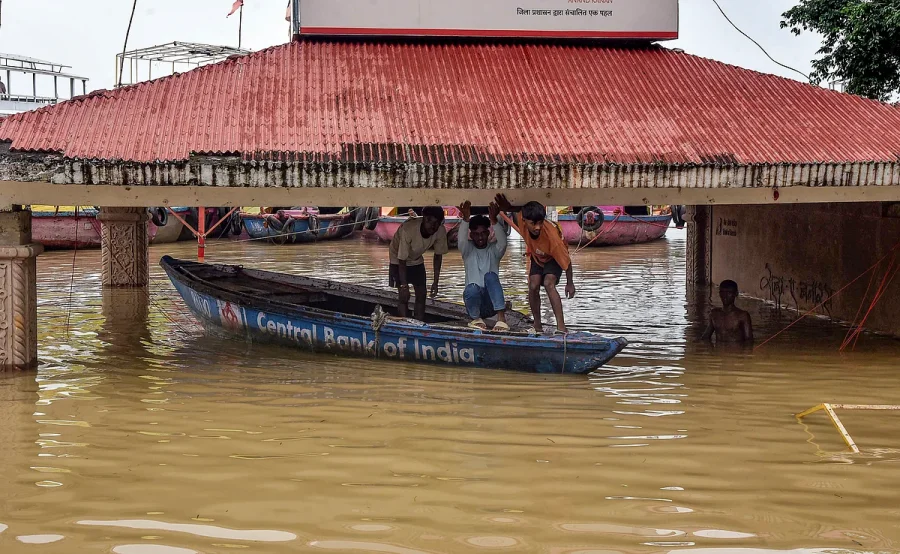
In Varanasi, the Ganga's rise has flooded several lanes, forcing authorities to deploy boats in waterlogged neighbourhoods. The impact is deeply visible at the city's most sacred sites. Cremations at Manikarnika and Harishchandra ghats — among the holiest cremation grounds in Hinduism — have been shifted to rooftops and bylanes after water inundated the traditional spots.
The Central Water Commission (CWC) recorded the Ganga's water level in Varanasi at 70.28 metres at 10 am. That is above the warning level of 70.26 metres but still below the danger mark of 71.262 metres. The river is rising at a rate of 0.5 cm per hour, officials said.
Why this flooding matters beyond the water level numbers
For residents of Varanasi's old city, the flooding is not just a statistic. It disrupts daily life, threatens homes, and forces families to navigate streets by boat. For the city's funeral workers and grieving families, the shift of cremation sites is an emotional and logistical upheaval at a moment of profound personal loss.
In Lakhimpur Kheri, the closure of schools up to Class 8 means thousands of children are staying home, and working parents are scrambling for alternatives. Disrupted train services add another layer of hardship for commuters and travellers across the region.
How the situation developed
The flooding follows days of incessant rain across Uttar Pradesh. Rivers across the state have been swelling as catchment areas receive continuous downpour. The Mandakini river in Chitrakoot has been among the worst affected, now flowing around four metres above the danger mark — a level that signals serious risk to nearby communities.
The Ganga's gradual rise in Varanasi has been tracked closely by the CWC, which monitors river levels to issue warnings. The gap between the current level and the danger mark remains narrow, keeping authorities on alert.
Who is affected and what it means for daily life
The flooding touches nearly every aspect of life in the affected districts. Students in Lakhimpur Kheri are out of school. Commuters face train cancellations and delays. In Varanasi, residents in low-lying lanes near the ghats are dealing with water entering their homes and businesses. Boat operators have been pressed into service for transport in waterlogged areas.
For Chitrakoot, the Mandakini's rise above the danger mark is a direct threat to riverside settlements. Farmers in the region also face the risk of crop damage as fields remain waterlogged.
Official response and monitoring efforts
The Central Water Commission is actively tracking river levels and providing data to state authorities. In Varanasi, district officials have deployed boats in affected areas and are monitoring the situation. The decision to close schools in Lakhimpur Kheri was taken as a precautionary measure to ensure student safety.
Officials have not yet announced large-scale evacuations, but the situation remains fluid. The CWC's data shows the Ganga is still rising, and the Mandakini's level far above the danger mark suggests continued risk.
What the rising rivers mean for the region
The current flooding is part of a broader pattern of intense monsoon rains affecting northern India. Rivers like the Ganga and Mandakini respond quickly to sustained rainfall in their catchment areas. When water levels cross warning thresholds, the risk to low-lying communities increases significantly.
The fact that the Mandakini is four metres above the danger mark indicates that Chitrakoot is facing a more severe situation than Varanasi, where the Ganga remains below the danger level. This distinction matters for how authorities allocate resources and issue alerts.
Confirmed facts vs what remains unclear
Confirmed: Schools up to Class 8 are closed in Lakhimpur Kheri. Train services are disrupted. Varanasi lanes are flooded, and cremation sites have been shifted. The CWC recorded the Ganga at 70.28 metres in Varanasi at 10 am. The Mandakini is flowing around four metres above the danger mark.
Unclear: The full extent of damage to homes and property has not been reported. The number of people affected or displaced is not yet known. Whether the Ganga will cross the danger mark in Varanasi depends on continued rainfall. No official statement on evacuation plans has been released.
Risks and concerns as waters continue to rise
The primary concern is that the Ganga is still rising. At 0.5 cm per hour, it could approach the danger mark if rain continues. For Varanasi's ghats, further rise would deepen the disruption to cremation rituals and daily life.
In Chitrakoot, the Mandakini's level far above the danger mark raises the risk of flooding in riverside villages. There are also concerns about waterborne diseases in flooded areas, a common post-flood health risk. The disruption to train services affects not just local commuters but also travellers passing through the region.
A wider pattern of monsoon flooding
This flooding is not isolated. Across Uttar Pradesh and neighbouring states, intense monsoon rains have repeatedly overwhelmed drainage systems and rivers. The pattern is consistent with recent years, where short bursts of heavy rainfall cause rapid river rises and urban flooding.
For Varanasi, the flooding of the ghats is a recurring challenge during heavy monsoons. The city's ancient infrastructure, built along the riverbank, is particularly vulnerable to rising water levels.
What residents and travellers should do now
Residents in low-lying areas of Varanasi and Chitrakoot should stay informed about river levels and heed any official warnings. Avoid unnecessary travel through waterlogged areas. For those with family in Lakhimpur Kheri, confirm school closures and make alternative arrangements for children.
Travellers should check train schedules before heading to stations, as disruptions are ongoing. In Varanasi, those needing cremation services should contact local authorities for guidance on the shifted arrangements at Manikarnika and Harishchandra ghats.
What happens next
The immediate outlook depends on rainfall. If the downpour continues, the Ganga in Varanasi could approach the danger mark, and the Mandakini's level may rise further. Authorities are likely to expand boat services and may issue evacuation advisories if conditions worsen.
Once the rain subsides, the focus will shift to assessing damage, restoring train services, and reopening schools. The CWC will continue to monitor river levels and provide updates.
Our Take
This flooding is a reminder of how quickly monsoon rains can disrupt life in Uttar Pradesh's riverine cities. The situation in Varanasi is particularly sensitive because it affects not just daily life but also deeply held religious practices. The shifting of cremation sites is a measure of how severe the flooding has become.
The Mandakini's level — four metres above the danger mark — deserves serious attention. It signals that Chitrakoot is facing a more acute crisis than the headlines suggest. As the Ganga continues to rise, the coming hours will be critical for Varanasi. Residents should stay alert, and authorities must remain prepared to act swiftly.
Frequently Asked Questions
Why were schools closed in Lakhimpur Kheri?
Schools up to Class 8 were closed as a precautionary measure due to flooding caused by incessant rain. The closure aims to ensure student safety amid waterlogged roads and disrupted transport.
Is the Ganga in Varanasi above the danger level?
No. The Central Water Commission recorded the Ganga at 70.28 metres in Varanasi at 10 am, which is above the warning level of 70.26 metres but below the danger mark of 71.262 metres. The river is rising at 0.5 cm per hour.
What is the Mandakini river's current status in Chitrakoot?
The Mandakini river in Chitrakoot is flowing around four metres above the danger mark, indicating a serious flood risk for riverside areas.
How are cremations being handled at Varanasi's ghats?
Cremations at Manikarnika and Harishchandra ghats have been shifted to rooftops and bylanes after water inundated the traditional cremation spots due to the rising Ganga.