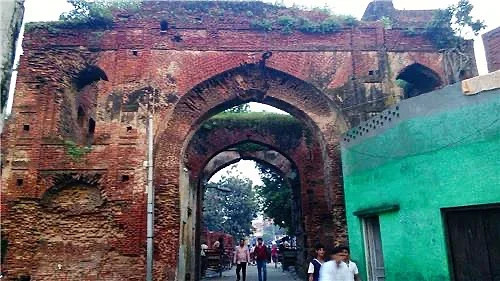
Twenty-one families who have called the historic Saundhan fort their home will soon have a new address. The Uttar Pradesh government has sanctioned 100-square-metre plots for each family as part of a rehabilitation drive aimed at clearing the Archaeological Survey of India (ASI)-protected monument for long-pending conservation work.
Rehabilitation begins at Sambhal's protected fort
The district administration has started the process of relocating families before removing their homes from the fort premises. Sambhal sub-divisional magistrate Vikas Chandra confirmed that land pattas, or leases, have been sanctioned for all 21 families, and possession of the allotted plots is being handed over.
Why clearing Saundhan fort matters for heritage
The Saundhan fort is a protected site under the Archaeological Survey of India, which means its preservation is a matter of national heritage importance. For years, the presence of residential structures inside the monument has delayed restoration work. This rehabilitation marks a concrete step toward reclaiming the fort for conservation.
How the relocation plan took shape
District magistrate Ankit Khandelwal had earlier inspected the site, signalling the administration's intent to resolve the long-standing issue. The allotment of plots is the result of that groundwork, with officials now working to ensure a smooth transition for the affected families.
What this means for the families moving out
For the 21 families, the move represents both disruption and a fresh start. Each family receives a 100-square-metre plot, offering them legal ownership and a secure place to rebuild. The administration's approach of allotting land before demolition suggests an effort to minimise hardship.
Official word on the rehabilitation exercise
"The Saundhan fort is an Archaeological Survey of India-protected site, and efforts have been made for a long time to preserve it," said Sambhal sub-divisional magistrate Vikas Chandra. His statement underscores the administration's commitment to balancing heritage conservation with the welfare of residents.
What the plot allotment means for conservation efforts
This rehabilitation is not just about relocating families; it is about unlocking a monument that has remained inaccessible to conservationists. With the premises cleared, the ASI can now proceed with structural assessments and restoration work that were previously stalled.
Confirmed facts versus what remains unclear
What is confirmed: 21 families have been allotted 100-sq m plots, land pattas have been sanctioned, and possession is being handed over. What remains unclear is the exact timeline for the removal of existing homes and the specific conservation plan the ASI will execute once the fort is vacated.
Balanced view: heritage versus housing
While the rehabilitation is a positive step for conservation, it also raises questions about the pace of resettlement and the adequacy of compensation. The families are receiving plots, but the transition period, access to amenities at the new location, and the timing of the move will determine how smoothly this exercise concludes.
A pattern of monument reclamation in UP
This move fits into a broader effort by the Uttar Pradesh government to reclaim heritage sites from encroachment. Similar exercises have been undertaken at other protected monuments, reflecting a statewide push to prioritise archaeological preservation while providing alternative housing to affected residents.
What residents and observers should watch for
For the families, the immediate priority is completing the move and settling into their new plots. For heritage watchers, the focus will be on how quickly the ASI begins conservation work once the fort is vacated. Transparency in the rehabilitation process will be key to maintaining public trust.
What happens next at Saundhan fort
The coming weeks will likely see the physical removal of residential structures from the fort premises. Following that, the ASI is expected to conduct a detailed assessment of the monument's condition and prioritise restoration work. The success of this exercise will depend on timely execution and continued cooperation from the relocated families.
Our Take
This rehabilitation is a rare instance where heritage conservation and human welfare are being addressed together. The allotment of plots before demolition shows a humane approach, but the real test lies in execution. If the administration delivers on its promises and the ASI follows through with restoration, Saundhan fort could become a model for how India balances its archaeological treasures with the needs of people living on them.
Frequently Asked Questions
Why is the UP government allotting plots to families at Saundhan fort?
The government is rehabilitating 21 families living inside the ASI-protected Saundhan fort in Sambhal to clear the monument for conservation work. Each family is being given a 100-square-metre plot with a sanctioned land patta.
What is the Saundhan fort and why is it protected?
Saundhan fort is an Archaeological Survey of India-protected site in Sambhal, Uttar Pradesh. Its protected status means the monument is recognised for historical significance and requires preservation under national heritage laws.
How many families are being relocated from the fort?
A total of 21 families are being relocated. Sambhal sub-divisional magistrate Vikas Chandra confirmed that land pattas have been sanctioned for all 21 families and possession of the allotted plots is being handed over.
What happens to the fort after the families are relocated?
Once the families are moved out and their homes are removed, the ASI is expected to begin conservation and restoration work on the fort, which had been delayed due to residential structures on the premises.